

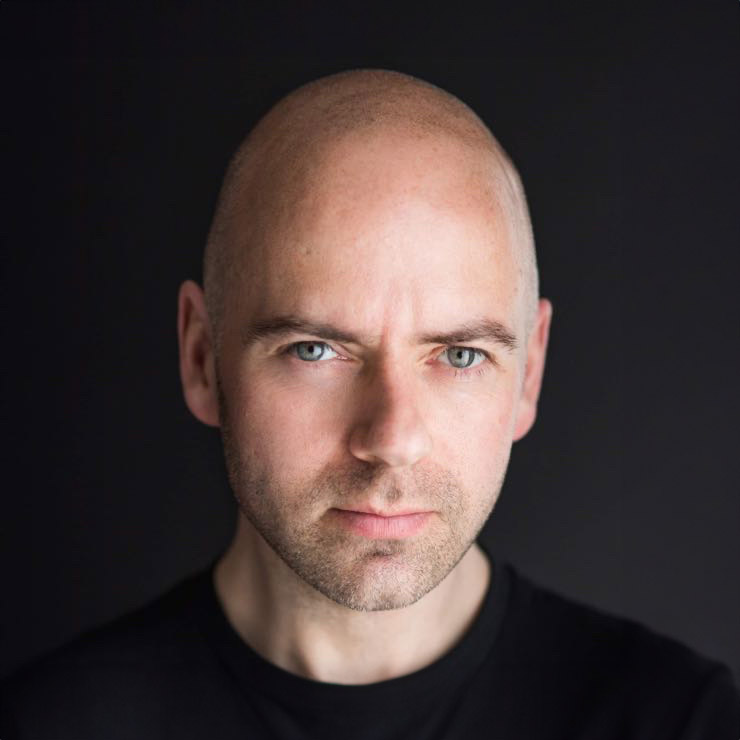
When a client lands on your website and sees a patchwork of cropped party photos, dated staff portraits and missing profile images, they notice. They may not say it out loud, but it shapes how professional, organised and trustworthy your business feels. Strong corporate team headshots do more than make people look good – they help your company present itself with clarity, consistency and confidence.
For many businesses, the challenge is not deciding whether they need better photos. It is getting busy people in front of the camera without stress, awkwardness or wasted time. That is where the process matters just as much as the final image. A team headshot session should feel straightforward, well guided and genuinely useful, especially for people who do not enjoy being photographed.
Why corporate team headshots matter more than people think
A headshot is often treated like a small admin job. Book a photographer, line people up, get it done. But the image each team member uses on your website, LinkedIn profile, speaker bio or press feature plays a direct role in first impressions.
People want to know who they are dealing with. In professional services, recruitment, sales, healthcare, education and leadership roles, trust is personal before it is commercial. A polished portrait tells people that your business is current, credible and proud of its team. It also helps staff feel represented properly, rather than hidden behind low-quality or inconsistent images.
There is a practical side too. When your team photos are created in a consistent style, your company looks more cohesive across every touchpoint. That includes your website, proposals, social media, conference materials and internal communications. It creates visual order, which quietly supports the impression that your business is organised and reliable.
What good team headshots actually communicate
The best headshots are not stiff, overly formal portraits that make everyone look interchangeable. They should reflect your business accurately while still flattering the individual. That balance matters.
A law firm may want portraits that feel polished and authoritative. A creative agency may need something more relaxed and modern. A tech business may want images that feel approachable without losing professionalism. The right style depends on who your audience is and how you want your team to be perceived.
What never changes is the core job of the image. It should help someone look competent, confident and approachable. If a portrait feels cold, forced or badly lit, it can work against that goal. If it feels natural, well composed and professionally finished, it makes connection easier.
Consistency matters, but so does personality
One of the biggest mistakes companies make with corporate team headshots is chasing total uniformity at the expense of individuality. Yes, the set should feel cohesive. Backgrounds, lighting and framing need to work together. But people still need to look like themselves.
That is especially important for teams in client-facing roles. Prospective clients want to see the real person they may speak to on a call, meet in a boardroom or trust with a project. If every image feels overly retouched or rigidly posed, it can create distance rather than trust.
A well-run session allows room for both brand consistency and personal expression. Small adjustments in posture, expression and angle make a big difference. The result is a set of portraits that belong together while still feeling human.
Why the experience affects the result
This is the part many businesses underestimate. Most employees are not models. Some are confident in front of a camera, but many are hesitant, self-conscious or convinced they are not photogenic. If the session feels rushed or impersonal, that discomfort shows up immediately in the images.
Good headshots come from good direction. People need clear coaching on posture, chin position, eye line, expression and body language. They also need reassurance. A calm photographer who knows how to guide people quickly and kindly can transform the experience.
That is one reason coached sessions tend to produce stronger results than quick-fire setups where each person gets a minute in front of the lens. Efficiency matters, especially for larger teams, but speed alone should not be the goal. You want people to leave thinking, that was easier than I expected, and looking like the best version of themselves.
Planning corporate team headshots properly
A smooth session starts before the camera comes out. The more clearly the shoot is planned, the better the final images will be.
Start with the purpose. Are the photos mainly for your website? LinkedIn profiles? Press use? Recruitment? Investor communications? The answer influences everything from crop style to wardrobe advice. A business that needs flexible marketing images may want a slightly wider composition. A company focused on LinkedIn updates may prioritise tighter crops.
Next, think about visual style. Studio backgrounds can create a clean, consistent look and are often the easiest option for company-wide use. On-location portraits can feel more natural or connected to your brand environment, but they also introduce more variables. Neither is automatically better. It depends on the message you want to send and how much consistency you need across current and future hires.
Wardrobe guidance also matters more than people expect. Team members do not need to dress identically, but they should understand the level of formality and what photographs well. Solid colours usually work better than distracting patterns. Well-fitted clothing helps. It is also worth reminding people to choose outfits that reflect their role and the impression they want to make.
Should you photograph everyone on the same day?
Often, yes – but not always.
For smaller teams, a single session is usually the simplest way to create consistency and minimise admin. Everyone is photographed under the same lighting and with the same direction, which keeps the final set cohesive.
For larger businesses, especially those with shift patterns or multiple offices, a phased approach may be more realistic. In that case, consistency becomes even more important. The photographer needs a repeatable setup and a clear visual standard so new starters can be added later without the gallery looking mismatched.
This is where working with a specialist helps. A photographer who regularly creates corporate headshots will understand how to build a system, not just take a nice picture on the day.
Common concerns from employees
If you manage a team, expect at least a few people to say they hate having their photo taken. That is normal. Some worry about looking stiff. Others focus on a feature they dislike. Some simply feel exposed.
The best way to handle that is not to dismiss it, but to make the process supportive. People photograph better when they know they will be guided, not judged. They also feel more relaxed when they understand they will be able to review images and choose a shot they are happy with.
That sense of control makes a real difference. A no-pressure approach, clear coaching and enough time for small adjustments can shift the whole mood of the session. At Newcastle Headshots, that confidence-building part of the process is taken seriously because it is often the difference between a photo someone tolerates and one they are genuinely pleased to use.
What to look for in a photographer
If you are arranging team photography, do not just compare prices and portfolios. Look at whether the photographer understands business use, works efficiently with groups and can coach people who are uncomfortable on camera.
A polished portfolio matters, of course, but so does the experience they create. Ask how the session is structured, how image selection works and whether they can maintain a consistent look over time. If your business is growing, that future-proofing is valuable.
It is also worth checking whether the work looks natural. Some photographers produce technically clean images that still feel lifeless. Others capture expression well but lack consistency. You want both. A strong corporate headshot should feel professional without looking overly posed.
The business case is simple
Corporate team headshots are not a vanity project. They are part of how your business presents itself to the people who matter. They help clients trust you, help candidates take your company seriously and help employees show up professionally wherever they are seen online.
More than that, they send a message internally. Investing in proper portraits tells your team that they are worth representing well. It shows that your business cares about quality, consistency and the way people are introduced to the world.
If your current team photos are outdated, inconsistent or missing altogether, fixing that does not need to be complicated. With the right guidance, it can be one of the simplest upgrades you make to your brand presence – and one that keeps working every day after the shoot is over.
A good headshot should never feel like a chore you had to get through. It should leave your team looking like people others want to work with.


