

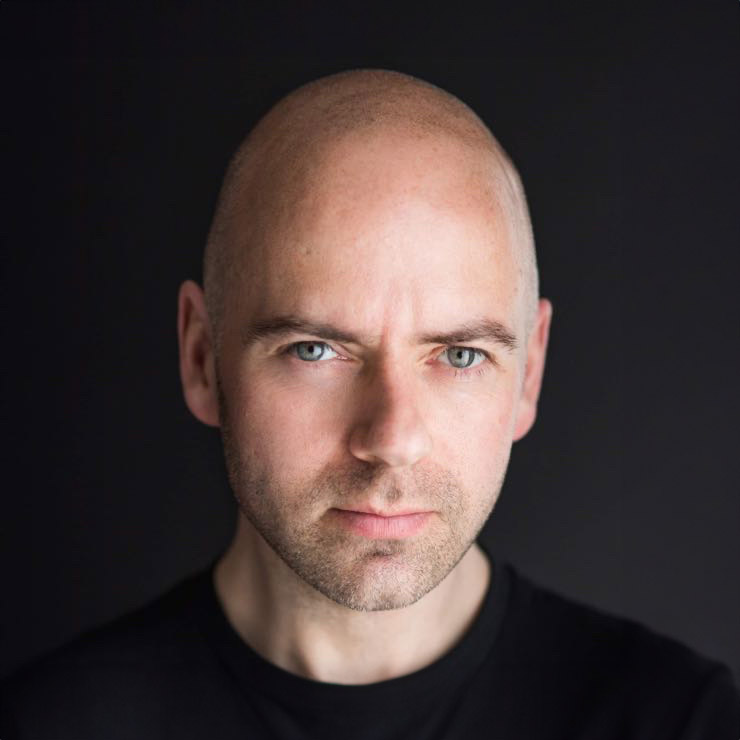
That moment when you realise your LinkedIn photo is five years old, slightly cropped from a wedding, and no longer looks like you – that is usually when the question starts: how to prepare for headshots without overthinking the whole thing.
The good news is that strong headshots are not about being naturally photogenic. They are about preparation, good direction, and making a series of sensible choices before you step in front of the camera. When you know what to wear, how to approach grooming, and what to expect on the day, the session becomes much easier. You stop worrying about looking awkward and start focusing on the impression you want to make.
How to prepare for headshots before the session
The best preparation starts with one simple question: what is this headshot for? A solicitor, a startup founder, an actor and a personal trainer may all need professional portraits, but not the same kind of image. The right headshot should reflect your industry, your personality and how you want people to perceive you.
If the image is for LinkedIn, a company profile or speaking engagements, you will usually want something polished, approachable and credible. If it is for casting, press or personal branding, there may be more room for character and style. Knowing the purpose helps guide everything else, from clothing to expression.
It also helps to think about where the image will appear. A photo used as a small profile picture needs clarity and simplicity. A portrait for a website banner may allow for more space, body language and wardrobe variation. This is why preparation is never just about looking nice. It is about looking right for the job the image needs to do.
Choose clothes that support your face
Most people worry too much about the outfit and not enough about what the outfit does in a photograph. In a headshot, your face should still be the main focus. Clothing should frame you, not compete with you.
Plain, well-fitting clothes usually work best. Solid colours tend to photograph more cleanly than busy patterns, obvious logos or very fine stripes. Mid-tones and rich colours often perform well because they add shape without becoming distracting. Very bright white can sometimes reflect too much light, while pure black can lose detail depending on lighting and skin tone. Neither is always wrong, but both need a bit more care.
Necklines matter more than people expect. Jackets, collared shirts, simple knitwear and structured tops often photograph well because they create shape around the jawline and shoulders. If you are unsure, bring options. A good photographer can tell you quickly what is working on camera and what is not.
For business headshots, it is usually better to dress slightly smarter than your everyday norm, but not so formal that you look unlike yourself. If clients or employers meet you in a blazer and open-neck shirt, that may be more effective than a full suit and tie. If your work is more creative or relaxed, your clothing can reflect that. The key is consistency between your photo and your real-world brand.
Grooming for headshots without going too far
When people search for how to prepare for headshots, grooming is often where the anxiety sits. The aim is not to look heavily done. It is to look fresh, tidy and like the best version of yourself.
Hair is worth planning a few days ahead. If you get a haircut, avoid doing it at the last minute unless you always like it immediately. Many people prefer their hair after it has settled for several days. Facial hair should also be intentional. If you normally wear stubble, keep it neat. If you usually shave cleanly, do that on the day.
Make-up should be camera-aware rather than dramatic, unless your brief specifically calls for a stronger look. Shine is usually more of an issue than colour, so a natural finish often works well. If you wear glasses regularly, bring them, but make sure they are clean. If you have lenses with a strong anti-glare coating, that can help, though a skilled photographer will also work around reflections with posing and lighting.
Small details show up in high-resolution images. Dry lips, chipped nails, tired eyes and creased clothing can all become more noticeable than they seem in the mirror. None of this means chasing perfection. It simply means giving yourself the easiest possible starting point.
Get the practical details right
Preparation is not only about appearance. It is also about avoiding needless stress on the day. Leave enough time to arrive without rushing. Bring your outfit options on hangers if possible, and give them a quick steam or press beforehand. Drink water, get a decent night’s sleep, and avoid anything that is likely to leave marks or irritation on your skin right before the shoot.
If you are planning beauty treatments, timing matters. Fresh spray tans, new skincare products, aggressive facials or last-minute cosmetic treatments can all create problems if your skin reacts. If you are trying anything unfamiliar, do it well in advance rather than the day before.
This is also the moment to think about what you want from the session. Do you need one dependable corporate image, or a set of looks for different platforms? Are you aiming for warm and approachable, confident and authoritative, or creative and dynamic? Clear intentions help the session move smoothly.
What to do on the day of your headshot session
The most useful thing you can bring is not another shirt. It is a calm mindset.
A lot of people assume they need to know how to pose before they arrive. You do not. A properly guided session should not rely on you inventing expressions or angles on your own. Good headshot photography is collaborative. You bring your face, your goals and your willingness to follow direction. The photographer handles the rest.
Try not to judge yourself too early in the session. Most people need a few minutes to settle in. Your expression softens, your posture improves, and your confidence builds once you realise you are not being left to fend for yourself. This is one reason coached sessions work so well, especially for people who normally feel stiff in photographs.
Body language matters, even in tight framing. The position of your shoulders, chin and eyes can completely change the message of a portrait. Tiny adjustments make a big difference. Leaning slightly, lifting through the spine and relaxing the mouth can create a more engaged, natural look than simply standing straight and smiling on command.
If image review is part of the process, use it well. Looking at a few frames during the session can help you understand what is working. Often the things you worry about are not the things that show up in the final image. Seeing progress on screen can be a big confidence boost.
What to avoid before and during the shoot
Do not try to become a different person for your headshots. The strongest images feel credible. If you never wear a bold fashion look, if you never style your hair that way, or if you would never present yourself with that kind of expression in real life, it may not serve you well long term.
It is also wise to avoid over-packing. Too many choices can slow everything down and create uncertainty. Bring a few strong options rather than your entire wardrobe. Usually one or two excellent looks will beat six average ones.
And try not to arrive apologising for being awkward in photos. That is far more common than you think. In fact, many of the best professional headshots come from people who start the session feeling uncomfortable. With the right coaching, that changes quickly.
A good headshot is prepared, not improvised
The reason preparation matters is not vanity. It is because your headshot often speaks before you do. It shapes first impressions on LinkedIn, company websites, press features and booking pages. People make fast decisions from images, rightly or wrongly, and a current professional photo helps you control that first moment.
That does not mean every headshot needs to look formal or corporate. It means it should look intentional. When wardrobe, grooming, expression and purpose all line up, the result feels clear and trustworthy.
At Newcastle Headshots, we see this again and again: clients who arrive convinced they are not photogenic leave with images that look confident, relaxed and recognisably like them. That is rarely luck. It is preparation combined with guidance.
If you are getting ready for a session, keep it simple. Dress for the version of your professional self you want people to meet, give yourself time, and let the camera work with you rather than against you.


