

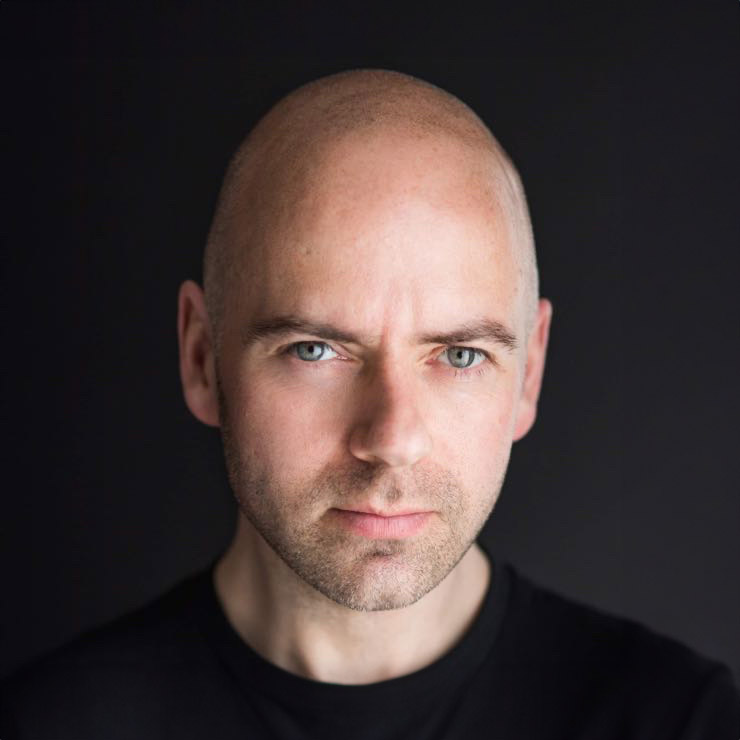
Your LinkedIn photo is often seen before your CV, your website or your first conversation. That is why the best LinkedIn headshot tips are not really about looking photogenic. They are about helping people read the right message from your face in a split second – capable, approachable and credible.
Most people do not enjoy being photographed. They worry about looking stiff, awkward or overly posed. The good news is that a strong LinkedIn headshot does not depend on having model experience. It comes from a few smart choices around expression, clothing, lighting, framing and coaching.
Best LinkedIn headshot tips start with the right impression
A LinkedIn headshot has a specific job to do. It is not a passport photo, and it should not feel like a wedding guest snap cropped down from your camera roll. It needs to look polished enough for a professional setting, but relaxed enough that you still seem like a real person someone would trust with a meeting, interview or introduction.
That balance matters. If your image is too casual, it can weaken credibility. If it is too formal or too heavily edited, it can feel distant. The best results usually sit in the middle – clean, current and confident, with enough warmth to make you look easy to talk to.
Before you even think about wardrobe or poses, ask yourself one question: how do I want to be perceived? A solicitor, consultant and actor may all need excellent headshots, but the right image for each will be slightly different. LinkedIn is a professional platform, yet professional does not mean identical.
Dress for your industry, not for someone else’s
One of the most useful LinkedIn photo tips is also one of the simplest: wear what your audience expects to see, just a touch more polished.
For some professionals, that means a jacket, blouse or smart knitwear. For others, it might mean an open-collar shirt, a clean crew neck or a well-fitted dress. If you work in finance or law, a more formal look may support trust. If you are in the creative industries, marketing or fitness, a slightly more relaxed style can feel more authentic.
Fit matters more than trend. Clothes that pull, gape or sit awkwardly will show in a headshot, even when only your upper body is visible. Solid colours usually work better than busy patterns because they keep attention on your face. Mid-tones and rich colours often photograph beautifully, while neon shades and very stark whites can be distracting under studio lighting.
If you are unsure, bring options. A good photographer can help you decide what reads best on camera.
Expression matters more than perfect features
People are rarely judging your bone structure. They are responding to your expression.
The strongest LinkedIn headshots tend to show calm confidence with a hint of warmth. That does not always mean a broad grin. In some fields, a softer smile or even a composed neutral expression may be the better fit. What matters is that your face looks engaged rather than tense.
This is where coaching makes a real difference. Most people are not bad in front of the camera. They are just under-directed. Without guidance, they tighten their mouth, lift their chin awkwardly or force a smile that never reaches the eyes. A well-led session helps you relax into natural expressions that actually look like you on a good day.
If you are practising beforehand, avoid rehearsing one fixed smile in the mirror. Instead, think about posture, breathing and softening your eyes. A natural expression shifts from frame to frame, and that variety is often where the best image appears.
Good light will do more for you than heavy retouching
Lighting shapes the whole feel of a headshot. Flat, harsh or uneven light can make even a well-dressed subject look tired. Good light, on the other hand, brings out the eyes, smooths skin naturally and creates definition without making the image feel artificial.
This is one reason why quick DIY photos often struggle. Window light can work well, but it depends on time of day, weather, background and camera handling. Overhead office lighting is rarely flattering. Phone cameras are impressive, but they cannot solve poor lighting on their own.
Professional lighting is not about making you look different. It is about helping you look clear, fresh and well-presented. That is a much better result than relying on strong edits afterwards.
Retouching should be light-handed. Remove the temporary distraction, not the person. If your final image looks airbrushed or over-smoothed, it risks undermining trust when people meet you in real life.
Background and crop should keep the focus on you
A LinkedIn headshot works best when there is no confusion about where to look. The frame should lead straight to your face.
Simple backgrounds usually do this best. Grey, white, charcoal and muted tones all work well, depending on your colouring, clothing and brand. Environmental portraits can also work if they are clean and intentional, but a cluttered office or random outdoor backdrop often adds visual noise.
The crop matters too. On LinkedIn, your image is displayed quite small in many places, so your face needs to be prominent. Head and shoulders is usually the safest choice. If you crop too wide, your expression gets lost. Too tight, and the image can feel uncomfortable.
Eye line is another subtle but important detail. Looking directly into camera tends to create connection and confidence, which is why it works so well for LinkedIn. Slight variations can be useful, but for most professionals, direct eye contact is the strongest option.
The best LinkedIn headshot tips include what not to do
A surprising number of poor profile photos come from good intentions. People try to make the image feel friendly, stylish or convenient, but the result sends the wrong message.
The most common issues are outdated photos, heavy filters, busy backgrounds and obvious crops from social pictures. Sunglasses, holiday shots, wedding photos and group crops nearly always look makeshift on LinkedIn. So do images where the lighting is dim, the camera angle is too high, or the expression looks apologetic.
Another mistake is choosing the image you personally like most rather than the one that communicates best. A flattering photo is not always the most effective business portrait. The right question is not just, do I like this picture? It is, does this image help the right people trust me?
Match the headshot to your career stage and goals
A graduate applying for first roles, a director building authority and a freelancer attracting clients may all need something slightly different from their LinkedIn image.
If you are job seeking, clarity and approachability are usually the priority. Recruiters want to see someone professional, current and easy to place. If you run a business, your headshot may need to do more branding work. It should still feel professional, but it may also need more personality, especially if clients buy into you as much as your service.
If you are part of a senior team, consistency can matter just as much as individuality. Headshots that align in style, lighting and overall polish can strengthen the impression of the wider business.
This is why one-size-fits-all advice only goes so far. The best photo depends on where you are heading, not just on what looks nice.
Preparation makes the shoot easier
You do not need to overthink your session, but a little preparation reduces stress and improves results.
Get a proper night’s sleep if you can. Choose your outfit in advance and make sure it is clean and pressed. If you wear glasses every day, bring them, but be aware that certain lenses can create reflections. Keep grooming neat and current. For haircuts, it is usually better not to schedule them for the same day – give yourself a little time so everything settles naturally.
Most importantly, give yourself permission not to be perfect from the first frame. Great headshots are rarely captured in the opening minute. They emerge as you relax, respond to direction and see what is working. That is why a no-rush, guided session is so helpful, especially if you normally hate having your photo taken.
At Newcastle Headshots, this is exactly the part many clients are most relieved by. They realise they do not have to know how to pose or what to do with their face. They just need the right guidance.
Choosing the final image with a clear head
Once you have several strong images, resist the urge to choose too quickly. The best LinkedIn photo is usually the one that balances confidence, warmth and relevance to your role.
Ask whether the image looks current. Ask whether you would be happy for someone to recognise you instantly from it. Then ask whether it fits the level and tone of the opportunities you want.
Sometimes the strongest choice is not the biggest smile or the most dramatic angle. It is the one that feels steady, polished and believable. If you can imagine a recruiter, client or collaborator seeing it and feeling reassured, you are on the right track.
A LinkedIn headshot does not need to make you look like someone else. It needs to show the best, most credible version of who you already are – and that is usually where confidence begins.


