

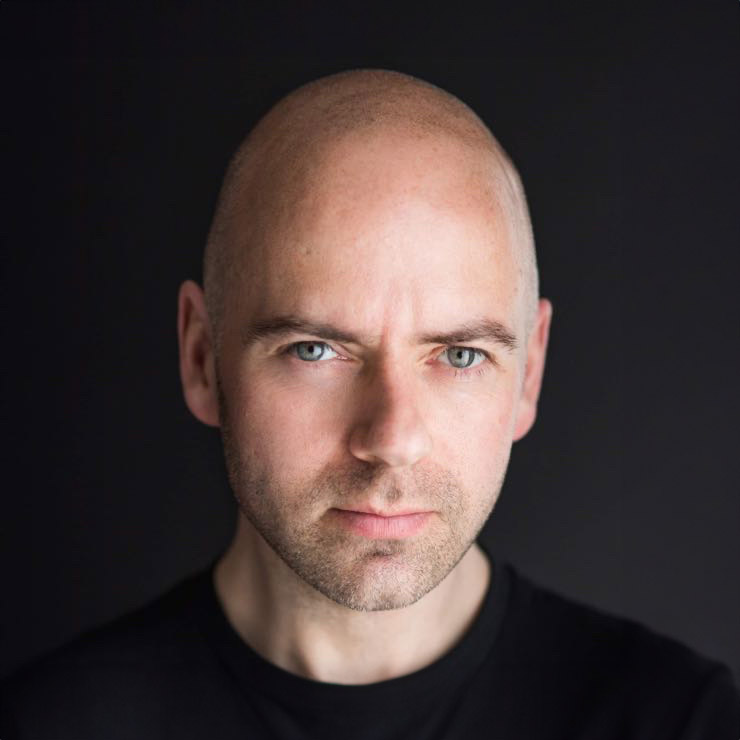
Most people do not dislike being photographed because they hate their face. They dislike it because they do not know what to do with it. If you have ever looked at a headshot and thought, “That doesn’t look like me,” the problem is rarely your appearance. More often, it is a mix of tension, posture, timing and lack of direction. Knowing how to look confident in photos is less about being naturally photogenic and more about using a few reliable techniques that help you look relaxed, professional and like yourself on a good day.
That matters more than many people realise. Your photo often introduces you before you ever speak, whether it sits on LinkedIn, a company website, a speaker profile or a casting page. Confidence in a photo does not mean looking arrogant or overly polished. It means looking credible, approachable and comfortable in your own skin.
What confidence looks like in a photograph
A confident photo usually has three qualities. The first is ease. You look settled rather than stiff, and present rather than distracted. The second is clarity. Your expression matches how you want to be perceived, whether that is warm, capable, creative or authoritative. The third is intention. It looks as though you meant to be there, rather than being caught mid-apology for existing in front of a camera.
This is why confidence on camera feels different from confidence in real life. In person, movement, voice and personality do a lot of the work. In a still image, tiny details carry far more weight. A slightly raised shoulder can read as nerves. A forced smile can read as uncertainty. A chin pushed too far forward can look strained rather than strong. Small adjustments make a significant difference.
How to look confident in photos without feeling fake
The biggest mistake people make is trying to perform confidence. They lift their chin, freeze their body and put on what they think is a professional expression. The result often feels hard or unnatural.
A better approach is to build confidence from the body upwards. Start by standing or sitting tall, but not rigidly. Think of length through the spine rather than puffing out the chest. Drop your shoulders and let your arms relax. Tension usually gathers in the neck, jaw and hands first, so those are the areas worth checking.
Your face matters just as much as your posture. A confident expression is rarely a huge grin or a blank corporate stare. It usually sits somewhere in the middle – alert eyes, relaxed mouth, a slight lift in expression and no visible strain. If you are unsure what suits you, think less about smiling and more about connecting. Imagine you are about to greet someone you like and respect. That tends to create a far more natural expression than being told to “say cheese”.
Breathing helps too. People often hold their breath the moment the camera points at them, which creates stiffness in the jaw and chest. A slow exhale just before the shutter can soften everything in a good way.
Posture that reads as strong, not stiff
Good posture in photos is not military posture. If you stand bolt upright with every muscle switched on, you may look uncomfortable. The aim is structure with some looseness.
If you are standing, put your weight slightly more on one foot than evenly across both. That immediately makes you look less flat and more at ease. Turn your body a little rather than facing the camera square-on, then bring your face back towards the lens. This is especially useful for professional headshots because it gives shape to the frame and looks more natural on most people.
If you are seated, avoid collapsing into the chair. Sit slightly forward with your back long and your shoulders relaxed. A small lean towards the camera can make you appear more engaged and confident, but too much can feel intense. This is one of those areas where subtlety matters.
Your hands can also affect how confident you look, even if they are only partly visible. Awkward hands often signal discomfort. Give them a job. Rest one lightly on your lap, adjust a cuff, hold a jacket over the shoulder, or keep them relaxed by your sides. Purpose looks better than uncertainty.
Expression matters more than perfect posing
When people ask how to look confident in photos, they often assume the answer is all about angles. Angles do matter, but expression usually matters more. Someone with a simple pose and an open, believable expression will nearly always look better than someone in a technically perfect pose with tense eyes.
The eyes do most of the heavy lifting. Confidence comes through when your eyes look engaged rather than wide, vacant or overly intense. You do not need to “smile with your eyes” in a theatrical way. You just need to be mentally present. This is why a good photographer talks to you during the shoot. Real expression is easier when you are responding to something, not freezing in silence.
It also helps to separate confidence from seriousness. Many professionals think looking confident means looking stern. In reality, for LinkedIn, business websites and personal branding, approachable confidence tends to perform better. You want to look like someone people would trust and feel comfortable contacting. That might mean a soft smile, a calm neutral expression or a friendly look with a bit of energy in the eyes. It depends on your role, audience and industry.
Clothing and grooming can either support or undermine confidence
Even the best coaching cannot fully compensate for clothes that make you feel unlike yourself. If you are adjusting your collar every five seconds or worrying that a top feels too tight, that discomfort will show.
Choose clothing that fits properly, feels comfortable and reflects the level of professionalism your audience expects. For most business portraits, simple is stronger than busy. Solid colours usually photograph better than distracting patterns, and neat, well-pressed clothing helps you look polished without looking overdone.
That does not mean you need to dress in a way that feels generic. A barrister, a personal trainer and an actor may all need confident images, but their strongest wardrobe choices will be different. The common thread is that the clothing should support the impression you want to make, not compete with it.
Grooming also matters, though perfection is not the goal. Tidy hair, well-moisturised skin and a bit of attention to details such as lint, creases or chipped polish can go a long way. The point is to remove distractions so the viewer sees you first.
Why the right photographer changes everything
There is a limit to what you can do alone in front of a camera or with a rushed office photo. Most people look more confident when they are being coached well. That is not because the photographer somehow changes their face. It is because good direction removes guesswork.
An experienced headshot photographer will guide posture, expression, chin position, shoulder angle and eye line in real time. They will also spot when you look tense and help you reset before that tension becomes visible in every frame. Live image review can be especially helpful because it shows you what is working and gives you confidence as the session progresses.
This is where the experience matters as much as the final image. A calm, no-rush session gives people time to settle, try small adjustments and stop overthinking. At Newcastle Headshots, that coaching-led approach is a big part of why camera-shy clients often leave saying the session was much easier than they expected.
Small habits that improve photos straight away
If you have a shoot coming up, a few practical habits can make an immediate difference. Get enough sleep the night before, drink water and avoid leaving every decision until the morning. Try your outfit on properly, not just in theory. Check that it fits well when sitting and standing. If possible, look at yourself in natural light rather than relying only on a bedroom mirror.
On the day, arrive with a bit of time to spare. Rushing feeds nervous energy. Once you are in front of the camera, focus on one thing at a time. Posture first, then expression. If you try to control every feature at once, you will usually end up looking tight.
It also helps to accept that confidence is built during the shoot, not before it. Very few people turn up already feeling completely natural in front of a lens. The goal is not to start perfectly. The goal is to warm into it.
A strong photo is rarely the one where you tried hardest. It is usually the one taken a few minutes after you stopped bracing yourself and started trusting the process. If you give yourself good guidance, enough time and permission to relax, confidence tends to show up on camera before you even realise it.


