

A leadership page can say all the right things and still feel off. Often, the problem is visual. When executive team headshots are inconsistent, outdated or overly stiff, they quietly undermine trust before a visitor reads a single line about your business.
That matters more than most teams realise. Senior leaders are often the public face of the company in pitches, press coverage, investor conversations, recruitment and client relationships. Their portraits do not need to look glamorous, but they do need to look current, confident and aligned with the standard of the brand.
Why executive team headshots matter more at senior level
A poor headshot on a junior staff profile might go unnoticed. On a CEO, director or partner, it sends a message. People make fast judgements about credibility, authority and warmth, and leadership portraits play a big part in that first impression.
Good executive team headshots help a business look established and well run. They show consistency across the leadership group while still allowing each person to come across as an individual. That balance is important. If every image feels completely different, the team can look disconnected. If every image is too heavily standardised, people can look flat and interchangeable.
There is also a practical side. Leadership images are used everywhere – company websites, LinkedIn, press releases, speaker bios, award entries and internal communications. A proper set of professional headshots saves time and avoids the scramble of chasing cropped holiday snaps or old conference photos when an opportunity appears.
What makes a strong executive team headshot?
A strong executive portrait usually does three things at once. It communicates authority, keeps the subject approachable and feels visually in step with the company brand. That sounds simple, but getting all three right takes planning.
Expression is often the deciding factor. Senior professionals rarely want to look overly cheerful, but they also do not want to look cold or hard to approach. The best result is usually confident and relaxed rather than stern. For some leaders, that means a slight smile. For others, it means a composed expression with warmth in the eyes. There is no single formula, which is why coaching during the session matters.
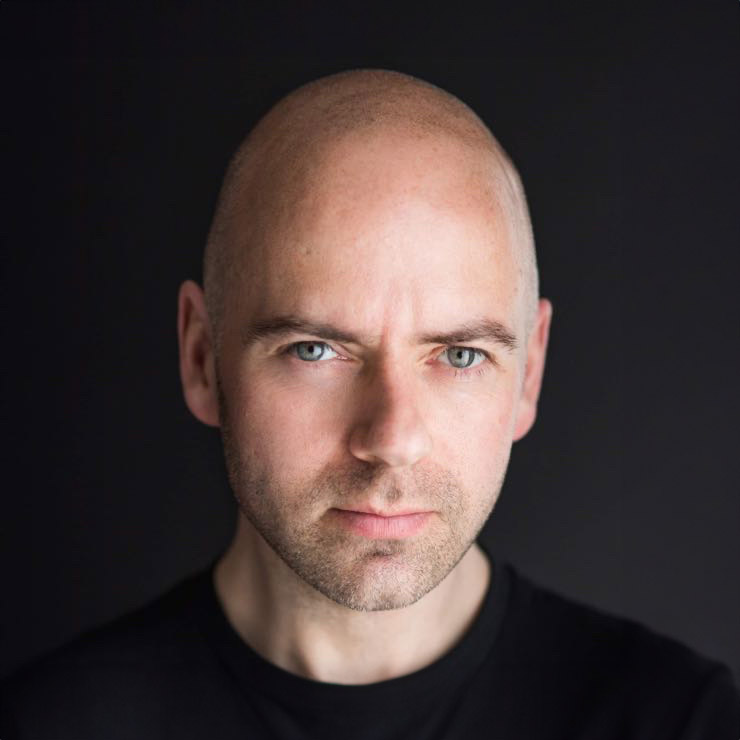
Styling and background also need careful judgement. A dark, dramatic portrait may suit a barrister’s chambers or a high-end consultancy. A brighter, cleaner look may be better for a modern tech firm or people-focused service business. Neither is automatically right. It depends on the audience, the sector and how the company wants its leadership to be perceived.
Consistency without making everyone look the same
This is where many team shoots go wrong. Companies often aim for consistency and end up with portraits that feel rigid. Everyone stands at the same angle, with the same expression, in the same crop, and the result feels more functional than human.
A better approach is to create consistency through the overall visual system rather than forcing identical poses. Keep the lighting, background, framing and retouching style aligned. Then allow some flexibility in posture, expression and body angle so each executive still looks like themselves.
That distinction matters because senior people have different public roles. A managing director may need to look decisive and polished. A people director may need to come across as warm and open. A finance lead may suit a more composed, straightforward portrait. The images should feel like one leadership team, but not one personality repeated six times.
Planning executive team headshots properly
The smoothest team shoots are decided well before anyone steps in front of the camera. Planning covers more than booking a date. It means agreeing what the images need to do.
Start with usage. Are these portraits mainly for the website, or will they also be used for LinkedIn, speaking engagements and media requests? A tight crop may work brilliantly on LinkedIn but feel limited for website banners or magazine layouts. It is worth thinking ahead.
Next, consider brand presentation. Ask what the leadership team should communicate visually. Traditional and authoritative? Modern and approachable? High-end and discreet? Friendly but credible? Those choices affect lighting, wardrobe guidance, backdrop selection and even how much expression coaching is needed.
Clothing should be guided, not left vague. Telling executives to wear something professional sounds sensible but is rarely enough. Teams benefit from clear direction on colour, layering, necklines, jackets and what to avoid. Strong patterns, shiny fabrics and mismatched formality can quickly make a leadership page look messy.
Scheduling matters too. Executives are busy, and that often creates pressure on the shoot day. Rushed sessions nearly always show in the final portraits. If you want calm, confident images, people need enough time to settle in, get coached and review options as they go.
The biggest challenge: people who hate having their photo taken
This is common at every level, but especially among senior professionals who are used to being judged. Plenty of capable leaders feel awkward in front of the camera. Some become overly serious. Others force a smile they would never use in real life. A few just want it over with as quickly as possible.
That is exactly why a guided process matters. Most people do not need more confidence before the shoot. They need clear direction during it. Small adjustments to posture, chin position, shoulders and expression make a huge difference, and they take pressure off the subject because they are not left guessing what looks good.
Live image review can help here as well. When executives can see what is working during the session, the process becomes more collaborative and much less stressful. They stop worrying about whether they look awkward and start making informed choices. That shift often produces stronger portraits in less time.
Studio or office location?
Both can work for executive team headshots, but they create different results.
A studio gives you control. Lighting is consistent, backgrounds are clean and the process is efficient. It is usually the best choice when you want polished portraits with a refined, professional finish. It also removes distractions and helps the team focus on the session.
An office setup can be useful if the company wants a more environmental feel or if moving a large leadership team is impractical. The trade-off is that office locations are less predictable. Space, light and background clutter can all affect the quality and consistency of the final images.
If the goal is a strong, timeless leadership set that works across multiple platforms, studio portraits often give the best long-term value. If the company wants a softer, editorial feel that reflects place and culture, an office-based shoot may suit better. It depends on brand, budget and usage.
Should every executive have the same style of image?
Usually, yes in principle, but not in every detail.
Most businesses need a core image set that feels unified across the senior team. That keeps the website and company materials looking coherent. But some leaders may also need secondary portraits for specific uses. A founder who appears regularly in the media might need a wider crop or a more editorial option. A consultant who speaks at industry events may benefit from a version that feels slightly more personable.
This does not mean creating completely separate visual identities. It means being practical about how leadership profiles are used in the real world.
Retouching should be careful, not obvious
Executive portraits should look polished, not artificial. The aim is to present someone at their best on a good day, not to turn them into a different person.
Good retouching deals with temporary distractions such as a blemish, lint on clothing or tired under-eye shadows from a long week. It should preserve skin texture, facial character and age-appropriate detail. When retouching is too heavy, trust drops. People notice, even if they cannot explain why.
For leadership teams, consistency matters here too. If one person is retouched heavily and another is left natural, the set will feel uneven. A light, professional touch across the board usually works best.
Executive team headshots are a business asset
It is easy to treat portraits as a box-ticking exercise. In reality, they support reputation, recruitment and sales. They help prospects put faces to names. They give journalists and event organisers usable images. They make a company website feel current and credible. They also signal that the business cares about presentation and detail.
For many firms, the strongest result comes from treating the shoot as part of brand communication, not just photography. That means giving leaders enough support to look like the best version of themselves – professional, approachable and believable.
A good portrait does not need to shout. It just needs to make the right person look ready to be trusted.


