

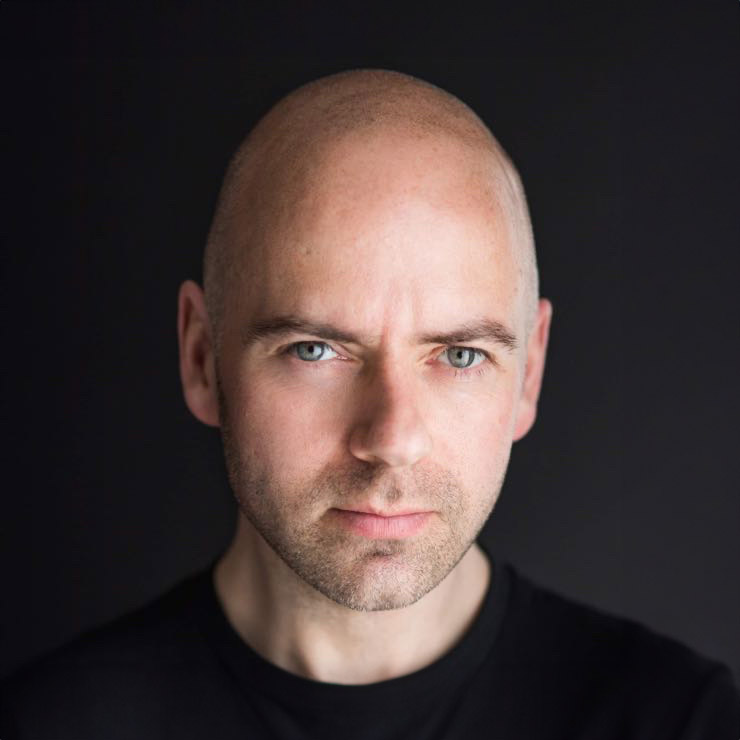
A company website with mismatched staff photos sends a message, even if no one says it out loud. One person has a cropped wedding picture, another has a blurry phone photo, and someone else has no image at all. If you want your business to look credible, current and easy to trust, that inconsistency works against you. That is where the question what is team headshots becomes more than a definition. It becomes a branding decision.
Team headshots are professional portraits of the people in your business, created in a consistent style so your team looks polished, approachable and aligned with your brand. They are usually used on company websites, LinkedIn profiles, speaker bios, email signatures, press features and internal communications. Good team headshots help people recognise the humans behind the business and form a stronger first impression before any call, meeting or pitch happens.
What are team headshots in practice?
In simple terms, team headshots are individual portraits of multiple people from the same organisation, photographed to feel visually connected. That does not mean everyone has to look identical or stiff. It means the lighting, background, framing and overall feel are planned so the images work well together.
That consistency matters more than many businesses realise. A team page is not just a list of names. It is part of your brand presentation. When every portrait feels like it belongs to the same company, your business looks more established, more professional and more trustworthy.
There is also a practical side. When your team grows, changes role or updates your website, it is much easier to keep things looking cohesive if the original photography has a clear style. Without that plan, businesses often end up patching things together over time, and the results can look uneven very quickly.
Why team headshots matter for modern businesses
People often make decisions based on small signals. A prospective client may not consciously analyse your staff photos, but they will notice whether your business looks current and credible. Professional team headshots help remove doubt.
They also make your team more approachable. This is especially useful in industries where trust matters from the very first interaction, such as finance, legal services, healthcare, recruitment, consultancy, property and professional services. If someone is about to contact your business, seeing a confident and natural photo of the person they may speak to can make that step feel easier.
For recruitment, the value is different but just as real. A polished team page shows candidates that your business takes itself seriously. For personal branding, it helps employees present themselves well on LinkedIn while still reflecting the company they represent. For media use, speaker profiles and sales material, it saves a lot of last-minute scrambling.
What makes a good team headshot?
A good team headshot is not just sharp and well lit. It needs to feel like the right fit for the person and the business. The best images balance professionalism with approachability. They show confidence without looking forced.
Expression is a big part of that. Many people worry about looking awkward, too serious or overly posed. That is why direction during the session matters so much. Most people are not models, and they should not be expected to know what to do in front of a camera. A well-run session guides them through posture, angle, expression and small adjustments that make a surprising difference.
Clothing matters too, but not in a rigid way. The goal is usually to look polished and in keeping with the brand, rather than dressed identically. In some companies, suits and formal styling make sense. In others, a smart casual approach feels more natural. It depends on your audience and how you want the business to come across.
Team headshots vs corporate headshots
These terms are often used interchangeably, and that is fine in most situations. Still, there is a slight difference in how people use them.
Corporate headshots often describe professional portraits intended for business use in a general sense. Team headshots usually refer more specifically to a coordinated set of portraits for multiple people within the same company. The style may be formal, relaxed or somewhere in between, but the key feature is consistency across the group.
That distinction matters when planning a shoot. An individual corporate headshot session focuses on one person’s role, goals and personal brand. A team headshot session has to consider both the individual and the wider visual identity of the organisation.
Where team headshots are used
Most businesses start with the company website, because that is where the gap is often most obvious. But once the images exist, they tend to be useful in more places than expected.
LinkedIn is an obvious one. When employees use professional headshots that complement the company’s visual identity, it strengthens the brand beyond the website. Email signatures, pitch decks, proposal documents, conference programmes and PR opportunities also become easier to handle when good portraits are ready to go.
There is also value internally. Team directories, staff profiles, onboarding materials and company communications all feel more polished when the imagery is current and consistent. It may sound like a small detail, but details shape perception.
Should every team headshot look exactly the same?
Usually, no. The strongest team headshots feel consistent, not cloned.
If every person is posed in exactly the same way with exactly the same expression, the result can feel flat and impersonal. A better approach is to keep the technical elements aligned while allowing room for personality. That might mean the same background and lighting setup, but slightly different posing or expression coaching based on what suits each person best.
This is where experience matters. Some people suit a direct, confident expression. Others come across better with a warmer, more open smile. The right photographer will know how to create a unified set of images without making people look generic.
How team headshot sessions usually work
The process can vary, but the best sessions are organised without feeling rushed. Typically, the style is planned in advance, including background choice, wardrobe guidance and how formal or relaxed the portraits should feel.
On the day, each person is photographed individually. Good direction is essential, especially for team members who dislike being photographed or feel unsure about how they look. Simple coaching helps people settle quickly and look more natural. Reviewing images during the session can also boost confidence, because people can see what is working and make small adjustments in real time.
For larger teams, efficiency matters, but speed should not come at the expense of quality. If people are rushed through with no guidance, it shows in the final images. A smooth session should still give each person enough attention to look like their best self.
Common mistakes businesses make
One of the biggest mistakes is treating headshots as a box-ticking exercise. If the only goal is to get everyone photographed as quickly and cheaply as possible, the images often end up looking forgettable. Worse, team members may hate their photos and avoid using them.
Another issue is inconsistency. Businesses sometimes add new portraits months later with a different background, different crop or completely different lighting. That patchwork look weakens the brand.
There is also the temptation to rely on heavily edited or overly stylised images. Retouching should help people look fresh and polished, not unlike themselves. If a client meets your team in person, the headshots should still feel honest.
Who benefits most from team headshots?
Almost any client-facing business benefits, but the return is especially clear when trust, expertise and relationships drive decision-making. Professional services, agencies, healthcare providers, estate agents, training companies and growing small businesses often see the biggest difference.
That said, team headshots are not only for large companies. A small team of three or four can gain just as much from looking consistent and credible. In fact, for smaller businesses where every person plays a visible role, strong portraits can have even more impact.
If your team is remote or hybrid, team headshots may need a bit more planning. Some companies bring everyone together for a single session. Others phase the process over time using a carefully matched setup. Neither approach is wrong. It depends on logistics, budget and how quickly you need the final set completed.
Choosing the right style for your brand
The best team headshots match the way your business wants to be perceived. A law firm, a marketing agency and a fitness brand will not all need the same style of portrait, and they should not.
Ask what you want the photos to communicate. Authority? Warmth? Modernity? Creativity? Reliability? Once that is clear, the visual decisions become easier. Background, wardrobe, lighting and expression can all be shaped around that goal.
This is where a guided, confidence-building process makes a real difference. At Newcastle Headshots, that often means helping people feel at ease first, because relaxed and well-directed subjects nearly always produce better images than people who have been told simply to stand there and smile.
Team headshots are not just photos of employees. They are part of how your business introduces itself before anyone picks up the phone or walks through the door. When they are done well, they help your team look like the capable, approachable professionals they already are. If your current staff photos feel dated, uneven or missing altogether, that is usually a sign it is time to give your brand a stronger face.


