

The easiest way to make a headshot session feel harder than it needs to be is to stand in front of your wardrobe the night before and second-guess everything. If you are wondering what to wear for headshots, the good news is that you do not need a whole new outfit. You need clothes that look like a sharper, more intentional version of you.
That matters because a strong headshot is not really about fashion. It is about trust. Whether your photo is going on LinkedIn, a company website, a speaker profile or an acting portfolio, people will make quick decisions based on how professional, approachable and credible you appear. Your clothing should support that first impression, not distract from it.
What to wear for headshots starts with the job the image needs to do
Before you choose a shirt, blazer or dress, think about where the image will be used. A senior leader on a corporate website usually needs something more polished than a fitness coach posting on social media. An actor may want a look that feels natural and current rather than overtly corporate. A consultant, solicitor or recruiter often benefits from clothing that signals clarity and professionalism.
This is where people often get stuck. They ask, should I dress formally or casually? The honest answer is that it depends on your audience. The best outfit is the one that matches how you want to be perceived by the people who matter to your work.
If you are unsure, aim one step smarter than your everyday working wardrobe. That tends to photograph well. It also helps you look prepared without seeming stiff or overdressed.
Choose clothes that keep the attention on your face
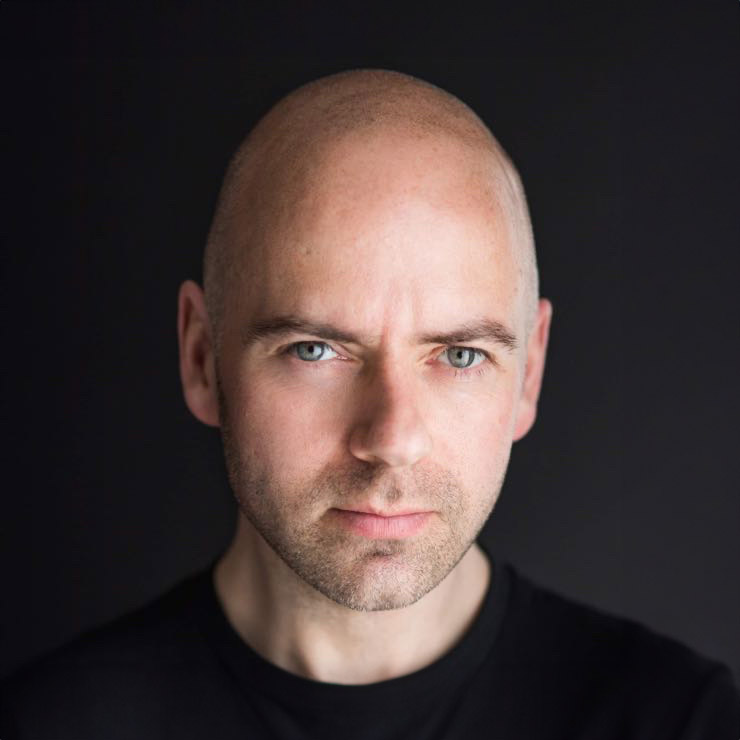
A headshot is, first and foremost, about your expression. The right clothing frames your face and supports eye contact. The wrong clothing pulls attention away from both.
In most cases, simple wins. Solid colours are usually better than busy prints. Clean shapes are usually better than fussy details. Necklines, collars and layers can all work beautifully, but they should feel tidy and intentional.
If you wear something loud because you think it will make the photo more interesting, it often does the opposite. Strong patterns, oversized logos, shiny fabrics and trend-led pieces can date an image quickly. That does not mean your outfit has to be bland. It just needs to let you be the focus.
The safest colours for professional headshots
Mid-to-dark tones tend to photograph reliably well. Navy, charcoal, deep green, burgundy, soft blue, cream and muted earth tones are all strong options, depending on your colouring and brand. These colours usually give enough contrast without overwhelming the face.
Pure white can work, but it can also reflect a lot of light and draw the eye first. Pure black can look elegant and strong, though sometimes it loses detail under certain lighting setups. Bright neon shades are rarely flattering in headshots. Very pale tones can wash some people out, particularly against light backgrounds.
If your personal brand uses a certain colour, you can absolutely work that in. The key is balance. A rich, controlled version of that colour usually looks more polished than the brightest possible one.
Prints, checks and textures
Small checks, tight stripes and intricate prints can be problematic on camera. They can create visual noise and make the image feel busier than it should. Large bold patterns can be just as distracting.
Texture is a better way to add interest. Knitwear, matte cotton, soft wool, brushed fabrics and structured blazers often photograph well because they add depth without fighting for attention. A textured jacket in a simple colour usually works better than a patterned shirt trying to do all the work.
Fit matters more than the label
You do not need designer clothing for a strong headshot. You do need clothes that fit properly. If something pulls at the buttons, collapses at the shoulders or hangs awkwardly, the camera will notice.
A well-fitted jacket can make a huge difference. So can a shirt that sits neatly at the collar, or a dress that follows your shape without clinging. Clothes that are too loose can make you look less polished. Clothes that are too tight can make you feel self-conscious, which always shows in expression and posture.
Comfort matters here. If you feel restricted, you will look restricted. The best headshot outfits strike a balance between structure and ease.
Dress for your industry, but do not disappear into it
For corporate professionals, a blazer, smart top, shirt or well-cut dress is often a safe and effective choice. Ties can work, especially in more formal industries, but they are not always necessary. Many modern business headshots look stronger without one, simply because they feel more approachable.
For entrepreneurs and personal brands, there is often more room to show personality. A cleaner, more elevated version of your usual style can be ideal. If clients meet you in a tailored jacket and open-neck shirt, wear that. If they know you for smart knitwear and a relaxed but polished look, that can work too.
For performers and creatives, authenticity matters even more. Casting and commissioning decisions often depend on whether the photo feels true to you. In those cases, clothing should support your type, your market and your personality, rather than forcing you into a generic business look.
Bring options, not confusion
One of the smartest things you can do is bring two or three outfit choices. That gives flexibility without turning the session into a wardrobe marathon.
A good mix might include one more formal option, one slightly more relaxed option and one that feels most like your everyday professional self. That way, you can compare what suits your face, colouring and intended use. Sometimes the outfit you were least certain about ends up being the strongest on camera.
This is where guided sessions make a real difference. At Newcastle Headshots, helping clients narrow down clothing choices is part of making the process feel easier, not more complicated. You do not need to arrive with the perfect answer. You just need strong options.
Accessories, glasses and grooming
Accessories should support the image, not dominate it. Simple jewellery usually works well. A classic watch, small earrings or a neat necklace can add polish. Chunky statement pieces can pull focus, especially in close-up portraits.
If you wear glasses every day, you will probably want them in at least some images because they are part of how people recognise you. The main consideration is glare. Clean lenses and subtle positioning usually help, and an experienced photographer will guide you.
Hair and grooming should feel neat and like you on a good day. That is the standard to aim for. Fresh haircuts are fine, but avoid drastic changes right before the session unless the new look is already part of your identity. Makeup for headshots generally works best when it is clean and camera-aware rather than heavy. Shine control matters more than dramatic styling.
What to avoid wearing for headshots
The biggest mistakes are usually easy to fix. Clothes with large logos date quickly and shift attention away from your face. Overly trendy pieces can make the image feel old sooner than you would like. Very low necklines, heavily creased fabrics and anything that needs constant adjusting tend to create problems in front of the camera.
It is also worth avoiding outfits you are not fully comfortable in, even if they look impressive on a hanger. If you never wear a sharply structured suit and feel unlike yourself in it, that discomfort will come through. Headshots work best when they feel credible. Credible usually means polished, not disguised.
If you hate being photographed, wear something that makes you feel steady
This point gets missed all the time. The best outfit is not just about colour and fit. It is about confidence.
Most people are not models. They want to look relaxed, competent and approachable, but they feel awkward as soon as a camera appears. Clothing can help more than you might think. When you wear something familiar, flattering and appropriate for your role, you stop worrying about the outfit and start focusing on expression.
That is the shift that creates better headshots. Less self-consciousness. More presence.
If you are torn between an outfit that is fashionable and one that makes you feel calm, choose calm. A confident expression will do more for your photo than a clever outfit ever could.
A simple way to decide the night before
Lay out your options and ask three questions. Does this look like me at my best? Does it suit the audience I want to reach? Does it keep the attention on my face?
If the answer is yes to all three, you are probably on the right track.
The right headshot outfit does not need to be complicated. It just needs to help people see you clearly – professional, approachable and ready for whatever comes next.


