

A solicitor updates her LinkedIn photo because her current one is six years old. A personal trainer needs images for her website, Instagram and launch campaign. Both need professional photography, but they do not need the same kind of session. That is where headshots vs branding photography becomes a useful question, because choosing the right approach saves time, money and a lot of frustration.
People often use the terms as if they mean the same thing. They do overlap, but they serve different jobs. If you are booking photography for your career, your business or your team, it helps to be clear on what each one is designed to do.
Headshots vs branding photography: the core difference
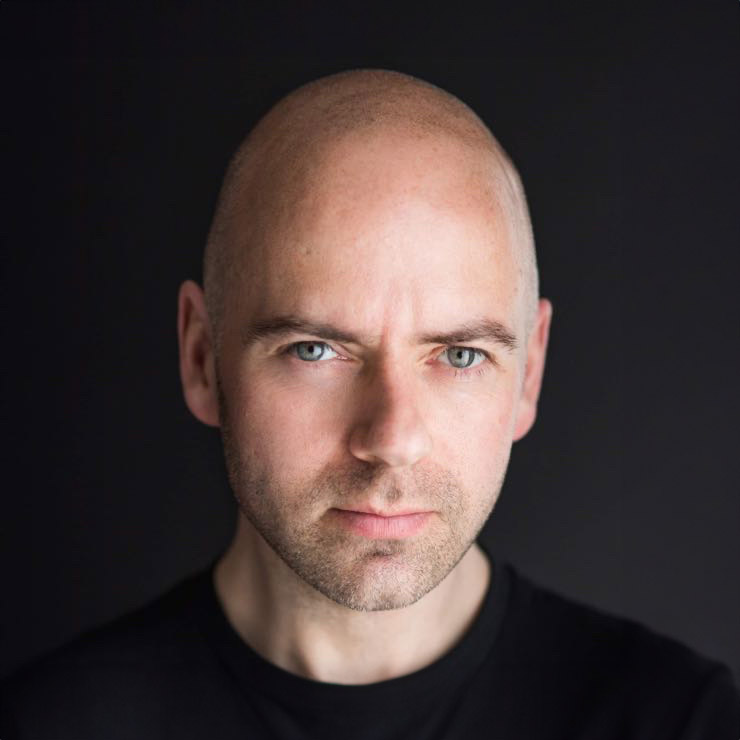
A headshot is a focused portrait. Its job is simple and specific: to show you clearly, professionally and at your best. It is usually framed from the chest or shoulders up, though crops can vary. The priority is your expression, eye contact, posture and how approachable, credible and polished you appear.
Branding photography is broader. It is a collection of images that shows not just what you look like, but what you do, how you work and what your brand feels like. That might include portraits, wider environmental shots, workspace images, behind-the-scenes moments, detail shots and lifestyle photographs that support your marketing.
Put simply, a headshot answers, “This is me.” Branding photography answers, “This is me, this is my business, and this is what it feels like to work with me.”
When a headshot is the right choice
For many professionals, a strong headshot is the first and most important step. If your main need is a polished image for LinkedIn, a company website, a speaking profile, a press feature, a casting profile or internal team pages, a headshot is usually the right fit.
The strength of a headshot is clarity. There is very little competing for attention. Good lighting, a clean background, great expression coaching and careful posing all work together to create an image that feels confident and trustworthy. That matters when someone is deciding whether to contact you, hire you, shortlist you or take you seriously.
Headshots are especially useful for job seekers, corporate staff, consultants, actors, presenters and anyone whose image needs to work across formal professional platforms. If the photo will often appear small on screen, a headshot tends to perform better than a wider, more complex image.
There is also a practical advantage. A headshot session is usually more efficient and more focused than a full branding shoot. If you do not need a wide range of marketing content, there is no reason to pay for one.
When branding photography makes more sense
Branding photography comes into its own when your audience needs more context. If you run a business, sell a service, build a personal brand or market yourself regularly online, a single headshot will only take you so far.
A coach, designer, estate agent, therapist, fitness professional or small business owner often needs images for multiple uses: website banners, social media posts, newsletter graphics, launch materials, media features and promotional campaigns. In those cases, branding photography gives you variety and storytelling.
Instead of one polished portrait, you might have images of you working with clients, using tools of your trade, sitting in your office, walking through your workspace or interacting in a way that feels natural to your brand. These images help people form a quicker impression of your professionalism, style and personality.
That does not mean branding photography should feel vague or overly posed. The best branding images are still strategic. They are just built around your wider message, not only your face.
Headshots vs branding photography for business owners
Business owners often assume branding photography is automatically the better investment. Sometimes it is, but not always.
If you are just launching, your immediate need may be a clean, versatile headshot that works everywhere. One excellent portrait can cover your LinkedIn profile, website about page, speaking bio and press requests. That can be enough to get you started without overcomplicating things.
If your marketing is already active and you are regularly posting content, running campaigns or refreshing your website, branding photography may be more useful. A bank of on-brand images gives you consistency. It also stops you relying on random phone pictures, stock imagery or the same one portrait repeated across every platform.
The best choice depends on where your business is now, how visible you need to be and whether your audience needs context to understand your offer.
What changes in the session itself
The difference is not only in the final images. It affects the whole shoot.
A headshot session is typically more controlled. The lighting is precise, the setup is intentional and the photographer is paying close attention to subtle details such as expression, chin position, posture and wardrobe choices. Small adjustments make a big difference because the frame is tighter and there is nowhere to hide.
Branding photography usually involves more moving parts. There may be multiple locations, outfit changes, props, working scenes and a wider mix of crops and compositions. Planning matters more because the session needs to reflect your brand identity, not just your appearance.
That said, both types of photography benefit from guidance. Most people are not naturally comfortable in front of a camera. They need direction, reassurance and someone who knows how to bring out a relaxed expression. That is often the difference between a photo that looks stiff and one that feels credible.
Can you use a headshot for personal branding?
Yes, absolutely. In fact, most personal brands still need a strong headshot.
This is where the conversation gets slightly muddled. A headshot can be part of your branding. If you are a consultant, freelancer or founder, your headshot is often the image people associate with your name. It plays a branding role even if it is not part of a full branding session.
The issue is not whether a headshot supports your brand. It does. The issue is whether it gives you enough variety and context for all the places you need to show up.
So if you hear someone say, “I need branding photos,” it is worth asking what they actually need them for. Sometimes they need a wider image library. Sometimes they simply need a very good headshot.
How to choose between headshots vs branding photography
Start with usage. Where will the images appear over the next 6 to 12 months? If the answer is mostly LinkedIn, staff profiles, speaker bios, casting platforms or formal business pages, a headshot is likely the better choice.
Then think about volume. Do you need one or two strong images, or do you need a collection of photographs for regular marketing? If you are constantly creating content, branding photography may save you from scrambling for visuals later.
Next, consider the message. Do people only need to see you, or do they need to understand your process, personality and environment as well? A recruiter usually needs the first. A potential coaching client or business customer may benefit from the second.
Budget matters too. Branding sessions tend to require more planning and more shooting variety, so they are often a larger investment. That is not a reason to avoid them. It is simply a reason to be clear about what you will genuinely use.
If you are unsure, ask a photographer who understands both formats and can guide you honestly. At Newcastle Headshots, for example, the most useful conversations usually start with goals rather than packages. That is the right way round.
The mistake to avoid
The biggest mistake is booking based on a trend rather than a need. Branding photography is popular language at the moment, but more is not always better. If all you need is a polished, current, professional portrait, a headshot is the smarter choice.
The opposite mistake happens too. Some professionals keep trying to make one headshot do the work of an entire content library. If you are building a visible business, that single image can quickly become limiting.
Good photography should make your life easier. It should fit your real-world use, reflect how you want to be perceived and leave you with images you are actually confident to use.
A useful way to think about it is this: headshots are about recognition and trust at first glance. Branding photography is about depth, consistency and story over time. If you choose with that in mind, the decision becomes much simpler.
And if being photographed still feels daunting, do not treat the session type as the main obstacle. The right guidance matters more. When you are coached well, know what the images are for and are not being rushed, the camera becomes much less of a problem.


