

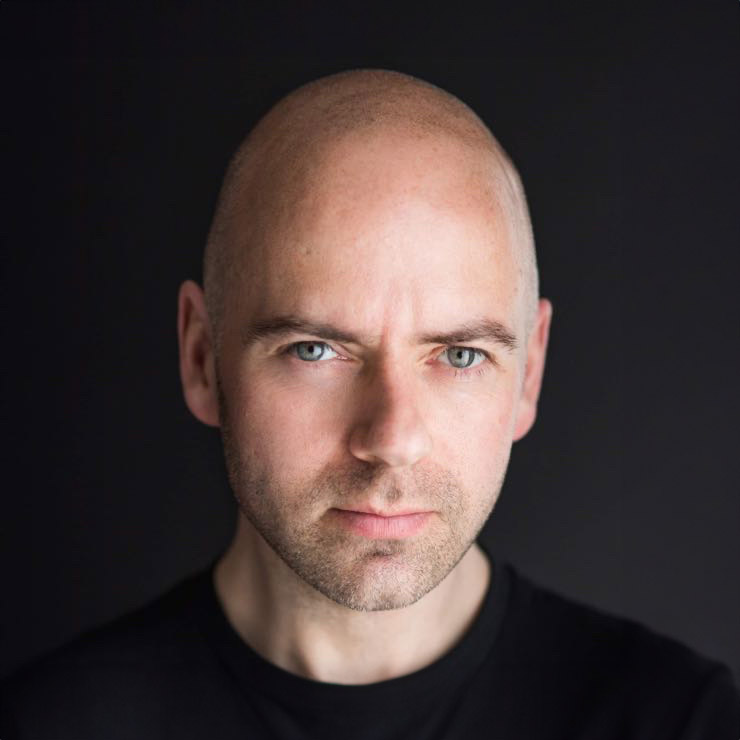
A LinkedIn photo is often doing its job before you’ve said a word. It can shape whether you look credible, approachable and ready for the kind of work you want more of. That is why knowing how to prepare for LinkedIn headshots matters. A strong headshot is not about looking stiff or overly polished. It is about looking like a professional version of yourself.
For many people, the hardest part is not the camera. It is the uncertainty beforehand. What should you wear? Should you get a haircut the day before? What expression works best for LinkedIn? Good preparation removes a lot of that stress and gives you a much better result on the day.
How to prepare for LinkedIn headshots without overthinking it
The best LinkedIn headshots feel clear, current and believable. If someone meets you after seeing your profile photo, they should recognise you straight away. That sounds obvious, but it is where many people go wrong. They choose clothes they never normally wear, go too heavy on retouching, or aim for a look that feels more like an advert than a professional portrait.
A better approach is to think about how you want to come across in your role or industry. A solicitor, a consultant, a journalist and a personal trainer may all need to look professional, but not in exactly the same way. Your headshot should match your audience, your level of seniority and the type of opportunities you want to attract.
Start by asking a simple question: if a recruiter, client or collaborator lands on my profile, what do I want them to feel in the first three seconds? Usually the answer includes some mix of confidence, warmth, reliability and competence. That becomes your guide for everything else, from clothing to expression.
Choose clothing that supports your face, not competes with it
The most effective outfit for a LinkedIn headshot is usually simpler than people expect. Clean lines, good fit and flattering colours nearly always work better than busy patterns or trend-led pieces. Your face should be the focal point, not your shirt print or statement necklace.
Mid-tones and rich solid colours tend to photograph well because they add shape without overwhelming the image. Navy, charcoal, deep green, burgundy and soft blues are often reliable choices. Very bright colours can dominate. Pure white can sometimes reflect too much light, while pure black can lose detail depending on the lighting and background. That does not mean you cannot wear them, but it does mean they need to be handled carefully.
Fit matters more than brand. A jacket that sits properly on the shoulders will look more polished than an expensive one that pinches or sags. If you wear a suit for work, bring one that feels current and comfortable. If your industry is more relaxed, a smart knit, open-collar shirt or neat blouse may feel more natural. The goal is not formal for the sake of it. The goal is appropriate and confident.
If you are unsure, bring options. Many clients photograph better once they can compare outfits on camera rather than guessing at home. Seeing the images during the session often makes the decision easier.
What to avoid wearing
Small checks, tight stripes and heavily textured fabrics can be distracting on camera. Logos date quickly and shift attention away from your face. Anything that needs constant adjusting is also best left at home. If you tug at it every two minutes, it will affect how relaxed you look.
Jewellery should support the look rather than lead it. Simple pieces usually work well. Glasses can also work brilliantly if you normally wear them, but make sure they are clean and fit properly. If possible, bring them and also be prepared to shoot a few frames without them.
Grooming is about looking fresh, not different
When thinking about how to prepare for LinkedIn headshots, grooming is where people often try to do too much at the last minute. A dramatic haircut the day before can leave you feeling unlike yourself. New skincare products can irritate your skin. Last-minute beauty treatments can cause redness or marks.
The safer approach is to stay close to your normal routine and aim for a well-rested, tidy version of your everyday appearance. If you are due for a haircut, have it a few days before the session so it settles naturally. If you shave, do it in the way that usually works best for your skin. If you wear make-up, keep it polished and camera-friendly rather than heavy.
For most professional headshots, matte finishes work better than very dewy ones because studio lights can emphasise shine. A little powder can help, even for those who do not usually wear much make-up. Lip balm is useful. So is checking stray hairs, loose threads and creased collars before the camera starts.
Bring a few basics with you: a brush or comb, powder, lip balm, tissues and anything you would use for small touch-ups. These little details can make a noticeable difference without changing your overall look.
Rest, timing and practical prep
If you want to look calm and alert in your photos, the preparation starts before you arrive. A decent night’s sleep helps more than any editing ever will. Hydration helps your skin. Rushing in late, flustered and apologising to everyone is not ideal for your expression.
Give yourself time on the day. Arrive a little early if you can. That short breathing space matters, especially if being photographed is not your favourite thing. It allows you to settle, check your clothes and shift out of work mode for a moment.
It is also worth thinking about what happens after the session. If you are booking a headshot for a job search, promotion, speaking profile or website update, schedule it early enough that you are not panicking for the final images. People make better decisions when they are not under pressure.
Expression matters more than posing
Most people worry about posing, but for LinkedIn the real difference is expression. You do not need complicated angles or model-like poses. You need an expression that looks engaged, confident and natural.
That is harder to force than it sounds. A fake smile is easy to spot. So is the slightly tense look people get when they are trying very hard to appear professional. Good coaching helps here because expression is often built gradually. The best images usually happen once you stop focusing on your mouth and start thinking about energy in the eyes, posture and breathing.
Stand or sit tall, but do not brace. Drop your shoulders. Breathe. Think less about “smile” and more about the feeling you want to project. Warmth? Authority? Reassurance? Curiosity? Those subtle differences change the image far more than most people realise.
How to prepare mentally for LinkedIn headshots
If being photographed makes you uncomfortable, you are very much in the majority. The answer is not to become naturally photogenic overnight. It is to remove some of the pressure.
Try not to treat the session as a test. You are not there to prove you are good in front of a camera. You are there to be guided towards images that represent you well. A professional headshot session should feel collaborative, not exposing.
It can help to remind yourself what the photo is for. This is not vanity. It is communication. Your image should make it easier for the right people to trust you, contact you and remember you. That shift in perspective often takes the edge off.
Think about where and how the image will be used
LinkedIn headshots are usually seen small at first. That means clarity matters. Your face should be easy to read even as a thumbnail. Overly wide crops, busy backgrounds and complicated styling tend to work against that.
A good photographer will help with crop and composition, but it is useful to think about usage beforehand. Do you need a straightforward LinkedIn profile image only, or do you also want versions for your company website, press features or speaking events? If you need versatility, mention that before the shoot. A slight change in framing, outfit or background can give you much more mileage from one session.
This is one reason a guided, unhurried process matters. You do not always know what suits you best until you see it on screen. At Newcastle Headshots, that ability to review images during the session helps clients make confident choices rather than hoping for the best afterwards.
Trust the process, but come prepared
The sweet spot is preparation without rigidity. Know what you are wearing, allow enough time, bring touch-up items and have a clear sense of how you want to be perceived. Then let the session do its job.
You do not need to arrive knowing your best angle or practising twenty smiles in the mirror. In fact, too much rehearsing can leave you looking fixed and unnatural. The strongest LinkedIn headshots usually come from a mix of thoughtful preparation and calm direction on the day.
A good headshot should look like someone people would want to work with. Capable. Approachable. Comfortable in their own role. If your preparation helps you walk into the session feeling a little more settled and a little more like yourself, you are already on the right track.


