
A lot of people use the terms interchangeably, but the LinkedIn photo vs headshot question matters more than it seems. If your profile picture is helping people decide whether to connect with you, trust you, or shortlist you, the difference between a quick photo and a professional headshot can affect real opportunities.
The short answer is this: every headshot is a photo, but not every photo works as a headshot. On LinkedIn, that distinction matters because the platform is built around first impressions. Your image needs to do a very specific job – show that you are credible, approachable and current.
LinkedIn photo vs headshot: what is the difference?
A LinkedIn photo is any image used as your profile picture on LinkedIn. It could be a cropped holiday snap, a mobile phone selfie, a conference photo, a picture taken by a colleague, or a professionally shot portrait.
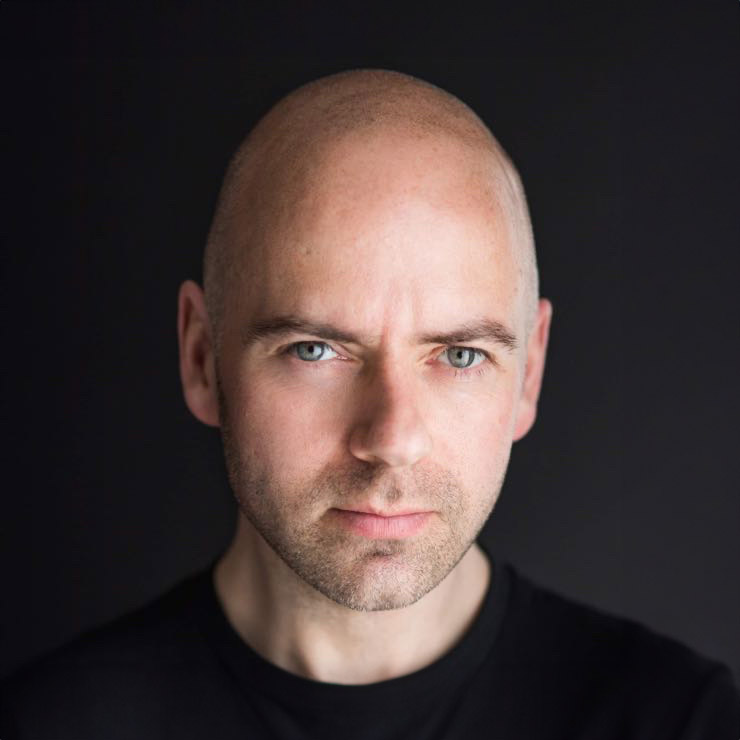
A headshot is a purpose-made portrait, usually framed from the chest or shoulders up, created to represent you professionally. It is planned with lighting, expression, posture, background, clothing and crop in mind. A good headshot is not just flattering. It is strategic.
That is the key difference. A LinkedIn photo describes where the image is used. A headshot describes how and why the image was created.
This is why people often feel unsure. They may already have a perfectly decent photo of themselves, but a decent photo is not always the same thing as a strong professional portrait. If your current picture was never meant to communicate trust, confidence and approachability, it may be asking too much of it.
Why the right profile image matters on LinkedIn
LinkedIn is not Instagram. People are not scrolling for entertainment. They are scanning for signals. Recruiters, hiring managers, potential clients and collaborators make rapid judgements based on what they see, and your profile photo is part of that decision.
A strong image helps you look established and easy to engage with. It suggests that you take your professional presence seriously. That does not mean looking stiff or overdone. In fact, the best headshots tend to feel simple and natural. The difference is that they are controlled in all the right ways.
A weak image can create friction. If the lighting is poor, the crop is awkward, the expression looks tense, or the picture feels outdated, people may not trust that your profile reflects who you are now. They might not consciously think, this photo is wrong. They just move on.
For job seekers, this can affect whether you appear polished and ready. For business owners, it can influence whether you seem credible enough to contact. For creatives and performers, it shapes how memorable and castable you appear. The stakes vary, but the principle is the same.
When a normal photo is good enough
There are cases where a non-studio LinkedIn photo can work well. If it is sharp, current, well-lit, simply dressed and cropped properly, it may do the job. Some professionals in relaxed or highly personal brands also prefer an image that feels a little less formal.
For example, a freelance designer, journalist or coach might use an environmental portrait rather than a classic studio headshot. That can work if the image still reads clearly at a small size and keeps the focus on the face.
The trade-off is consistency and control. Casual photos often rely on luck. The light happened to be flattering, the background happened to be tidy, and your expression happened to look confident. Professional headshots remove the guesswork. They are built for the purpose rather than borrowed from another moment.
So yes, a normal photo can be enough. But enough and effective are not always the same thing.
What makes a proper headshot work better?
A strong headshot is designed around perception. That sounds technical, but in practice it means making thoughtful choices about how you come across.
Lighting shapes how healthy, open and professional you appear. Expression matters just as much. Many people think they need to look serious to be taken seriously, but on LinkedIn, approachable usually beats stern. A slight, genuine smile often performs far better than a forced corporate face.
Framing is another big factor. Your face needs to be clear even when the image is tiny on a mobile screen. Busy backgrounds, wide crops and distant full-body shots usually lose impact. A good headshot keeps attention exactly where it should be.
Clothing plays a supporting role. It should fit your industry, your seniority and your personality without distracting from your face. That is why there is no one outfit rule for everyone. A solicitor, a personal trainer and an actor should not all look the same.
Most importantly, a headshot session gives you the chance to be coached. That matters more than many people realise. Most adults are not comfortable in front of a camera, and discomfort shows quickly. Good direction helps you relax, adjust your posture, soften your expression and choose images that actually reflect you at your best.
The risks of using the wrong kind of LinkedIn photo
The most common mistake is using a photo that sends mixed signals. Maybe it is friendly but too casual. Maybe it is polished but so heavily edited that it feels unnatural. Maybe it was taken ten years ago and no longer looks like you.
Group photos are another problem, even when cropped. They tend to feel improvised. Event pictures can also look messy once reduced to profile size. Selfies are usually the weakest option of all, not because mobile phone cameras are bad, but because the angle, lens distortion and casual feel rarely support a professional first impression.
There is also a subtler issue: confidence. When people dislike their profile picture, they often avoid using LinkedIn properly. They update less, post less, network less and feel less comfortable sending connection requests. A professional headshot can improve more than appearance. It can make you more willing to show up.
How to choose between a LinkedIn photo and a headshot
Ask what the image needs to do for you.
If you are actively job hunting, pitching for work, growing a personal brand or representing a business, a proper headshot is usually the stronger choice. It gives you a controlled, versatile image that can also be used on your company website, speaker profile, press features and marketing materials.
If your work is informal, your network already knows you well, and you have an excellent natural portrait that looks current and professional, you may not need a formal studio-style image. But be honest about whether the photo genuinely looks intentional or just convenient.
A useful test is this: if someone saw your picture before reading a word of your profile, what would they assume about you? Competent? Approachable? Current? Trustworthy? If the answer is uncertain, your image may not be working hard enough.
What recruiters and clients tend to respond to
Most people are not looking for glamour. They are looking for clarity. They want to see your face properly, feel a sense of professionalism and get a quick read on your presence.
That means your best LinkedIn image is usually one that looks clean, relaxed and real. Not too casual, not too stiff, and not trying too hard. A polished headshot tends to work well because it balances those signals with more consistency than an ordinary photo.
This is where a guided session can make such a difference. At Newcastle Headshots, many clients arrive convinced they are awkward in photos. Usually, they just have not been directed well before. With the right coaching, the right setup and time to review images as you go, people almost always photograph better than they expect.
So, do you need a headshot for LinkedIn?
Not always. But if LinkedIn is important to your career or business, then you do need a profile image that looks intentional, current and credible. Sometimes that can be a very good photo. Quite often, it is a headshot.
The real question is not whether your picture counts as a photo or a headshot. It is whether it helps people trust you quickly. If it does, keep it. If it does not, replacing it is one of the simplest upgrades you can make to your professional presence.
A good headshot does not need to make you look like somebody else. It should help you look like yourself on a very good day – confident, approachable and ready for the opportunities you want.


