

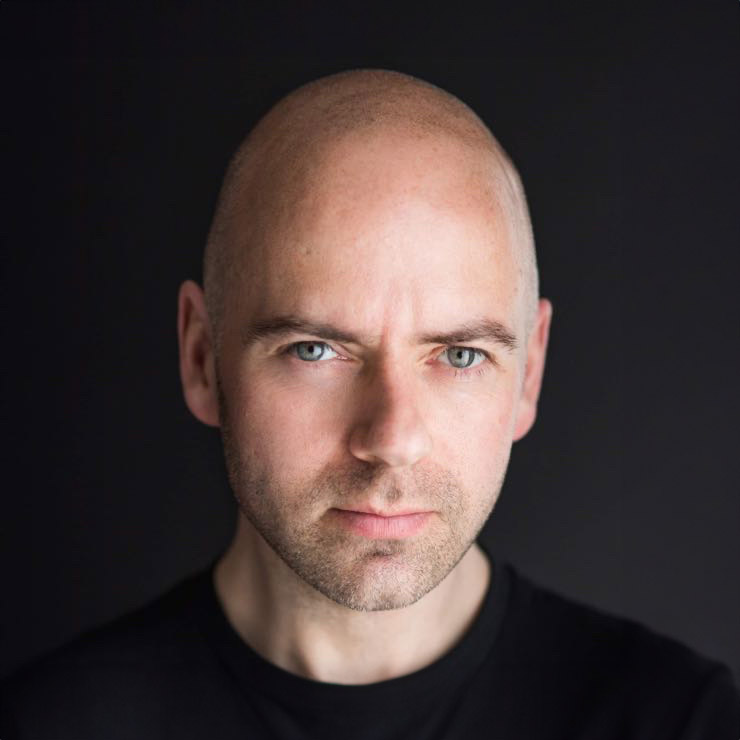
The shirt or top you wear in a headshot does more work than most people realise. Before anyone notices your job title, your experience or the wording on your LinkedIn profile, they register the overall impression your photo creates. That is why choosing the best colours for professional headshots is not just a style decision. It affects how polished, approachable and credible you look.
The good news is that you do not need a complicated wardrobe or a fashion background to get this right. In most cases, the strongest headshot colours are the ones that keep attention on your face, flatter your skin tone and support the impression you want to give. If you feel unsure, that is completely normal. Most people are far more comfortable in their own field than they are in front of a camera, and a bit of guidance goes a long way.
Why colour matters more than people expect
A professional headshot is a tight frame. There is nowhere for distracting details to hide. Strong clothing choices can help your face stand out, while poor colour choices can pull attention away from your expression or create an unbalanced look.
Colour also shapes perception. Darker tones often feel more authoritative and refined. Mid-tones can feel approachable and modern. Very bright colours can look energetic, but they can also dominate the image if they are too bold for the setting or your role. None of this means there is one perfect answer for everyone. A solicitor, a fitness coach and an actor may all need something slightly different from the same session.
That is why the best approach is not to ask, “What colour is fashionable?” but “What helps me look like the most confident, professional version of myself?”
The best colours for professional headshots
For most professionals, solid, understated colours work best. Navy is one of the safest and strongest choices. It looks polished without the heaviness of black, suits a wide range of skin tones and tends to photograph beautifully under studio lighting. Charcoal, deep teal, forest green, burgundy and muted blue tones also work very well.
These shades give structure to the image without stealing focus. They add depth, they separate nicely from common grey, white or softly coloured backgrounds, and they usually support a calm, confident impression. If you want a headshot that feels current but not trend-driven, this is the area to stay in.
Soft neutrals can also work brilliantly. Cream, taupe, soft grey and muted stone tones can look elegant and professional, particularly when styled simply. The main thing to watch is contrast. If your clothing is too close to your skin tone or the background, the image can lose definition. A photographer can help with this during the session, but it is still worth thinking about beforehand.
Jewel tones deserve a mention too. Emerald, sapphire and plum can look excellent in headshots because they bring richness without looking loud. If you want a bit more personality while still staying professional, these colours are often a smart middle ground.
Colours that often cause problems
The colours that cause the most issues are usually the ones people choose with good intentions. Pure white, for example, seems clean and professional, but in photos it can be too bright and draw attention away from your face, especially under studio lights. It can also lose detail if the exposure is set for your skin.
Pure black has the opposite problem. It can look elegant, but it can also feel heavy, flatten detail and create too much contrast depending on your skin tone and the background. Black is not always wrong, but it benefits from careful lighting and styling.
Very bright reds, neon shades and highly saturated colours can dominate a headshot. The viewer ends up seeing the outfit first and the person second. That is rarely what you want for a business portrait.
Busy patterns are another common mistake. Thin stripes, tiny checks and complex prints can distract the eye and sometimes create odd effects on camera. In a headshot, simple nearly always beats busy.
Best colours for professional headshots by industry and purpose
Context matters. The best colours for professional headshots for a corporate leader may not be the best choice for a creative freelancer or performer.
If you work in a corporate or finance setting, darker and more classic colours usually make sense. Navy, charcoal, deep blue and restrained neutrals signal professionalism and reliability. They tend to suit company websites, speaking profiles and LinkedIn pages where trust and authority matter.
If you are an entrepreneur, consultant or personal brand, you often have a little more freedom. You still want to look polished, but you may also want to appear warm, modern and recognisable. Muted greens, soft blues, richer jewel tones or elevated neutrals can help you look professional without appearing stiff.
For creatives and performers, colour can play more of a role in showing personality. That said, it still needs control. Casting and promotional headshots usually work best when colour supports your features rather than overpowering them. A strong but simple tone is often more effective than something dramatic.
Job seekers sit somewhere in the middle. If your headshot is for LinkedIn, CV profiles or applications, choose colours that feel current, smart and dependable. You do not need to look overly formal unless your industry expects it. You do need to look like someone people would trust to meet, hire or introduce.
How to choose colours that suit your skin tone
The most flattering colour is often the one that gives your skin a healthy, balanced look. If a top makes your complexion seem tired, red or washed out in the mirror, it will usually do the same on camera.
People with cooler undertones often suit navy, blue, berry tones, emerald and cooler greys. People with warmer undertones often look great in earthy greens, soft cream, teal, rust-adjacent muted tones and warmer neutrals. But this is not a strict rule. Lighting, hair colour, eye colour and the background all affect the final result.
A simple test is to hold a few options up near your face in natural light. Ask yourself which one makes your eyes look clearer and your skin look fresher. If your face stands out first, you are on the right track. If you notice the clothing before you notice yourself, the colour may be too strong.
What works best on camera is not always what works in real life
This catches people out all the time. A top you love wearing to dinner or in the office may not be the strongest option in a headshot. Cameras compress detail, lighting changes how colour reads, and the crop removes the rest of the outfit context.
That is why subtle, well-fitted, solid-colour clothing often wins. It gives the image a clean, professional feel and lets expression do the heavy lifting. Headshots are about connection. The goal is not to show off your wardrobe. The goal is to make it easy for people to trust you.
A few practical wardrobe tips before your session
Bring options if you can. Two or three tops or jackets in different shades give you flexibility and make it easier to match the background and purpose of the shoot. If one colour does not work as expected, there is no panic.
Aim for solid colours with minimal distraction. Make sure everything is clean, pressed and fits properly around the shoulders and neckline, as those areas are very visible in a headshot. If you wear a jacket, check that it sits neatly when buttoned and unbuttoned.
It also helps to think about where the image will be used. A company profile, media feature, audition page and coaching website may each call for a slightly different feel. At Newcastle Headshots, this is exactly the sort of detail we guide clients through during the session, because the right choice is not just about taste. It is about helping the image do its job.
If you are still undecided, start with navy or another muted, mid-to-dark solid colour. It is reliable, flattering and professional in almost every setting.
The best colour is the one that helps you look like yourself on a very good day – confident, approachable and ready to be taken seriously.


