

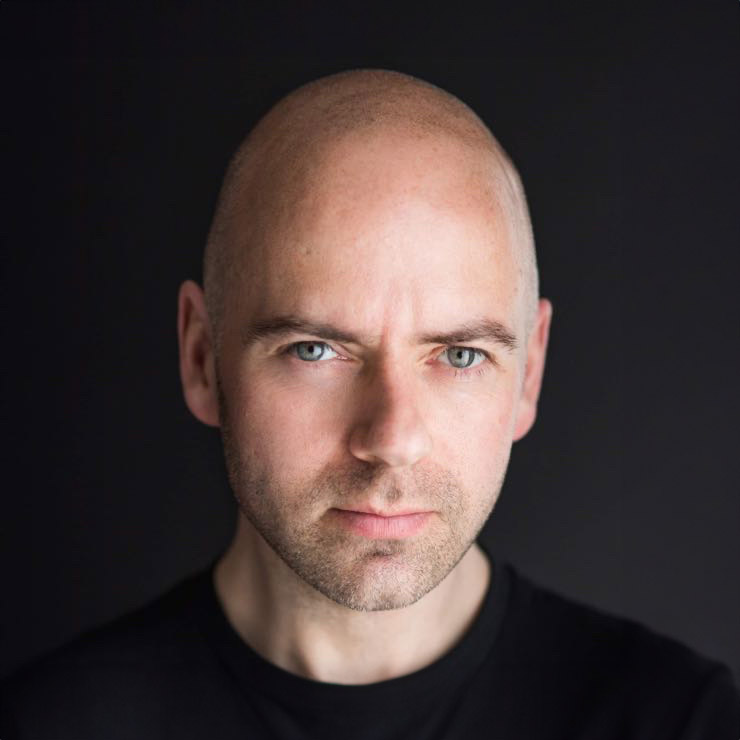
That moment when your headshot session is booked and the nerves kick in is completely normal. A good business headshot session checklist helps take the guesswork out of the process, so you are not standing in front of the wardrobe at 7am wondering whether the blue blazer was the right call.
The truth is, a strong headshot is rarely about being naturally photogenic. It is usually about preparation, good guidance, and making sensible choices before you step in front of the camera. If you know what to wear, what to bring, and what to avoid, you give yourself a much better chance of getting images that look confident, approachable, and genuinely like you on a very good day.
Your business headshot session checklist starts before the day
The best sessions are usually calm rather than rushed. That starts with clarity. Before your shoot, get specific about where the images will be used. A LinkedIn profile photo, a law firm website portrait, a speaker bio image, and a personal trainer brand shot may all need slightly different energy.
Ask yourself what you want the photo to say before you think about what you want it to look like. Professional and polished might be the priority for one person. Friendly and approachable might matter more for another. If you work in a creative field, you may want a little more personality in the styling. If you are applying for senior roles, you may want the image to feel more authoritative. Neither is right or wrong. It depends on your industry, your audience, and the impression you need to make.
It also helps to let your photographer know where the images will appear. That way, the session can be shaped around the right crop, background, expression, and wardrobe choices rather than trying to force one image to do every job.
What to wear for a professional headshot
Clothing is often the biggest source of stress, but it does not need to be complicated. The safest approach is to wear something that fits well, feels like you, and would not look out of place if a client, employer, or colleague met you in it.
In most cases, plain colours work better than busy patterns. Strong checks, tiny stripes, and loud prints can pull attention away from your face. Mid-to-deep tones tend to photograph well, particularly navy, charcoal, forest green, burgundy, and softer neutrals. Bright white can work, but it can also be harsh depending on skin tone, lighting, and what it is paired with. Black can look smart and clean, though sometimes it loses detail if everything else in the image is dark.
Fit matters more than brand. A well-fitted jacket or top will nearly always photograph better than something expensive that pulls at the buttons or sits awkwardly at the shoulders. If you are unsure, bring options. A good photographer can help you decide what works best on camera.
For corporate professionals, a jacket, structured blouse, smart dress, or crisp shirt is usually a solid choice. For entrepreneurs and creatives, the dress code may be more relaxed, but it should still look intentional. Casual is fine if casual is part of your professional identity. Scruffy is not.
Grooming and finishing details
Small details become surprisingly visible in a headshot. That does not mean you need a makeover. It simply means giving yourself a clean, polished starting point.
Hair should be tidy and worn in a way that feels natural. If you are due a haircut, try not to schedule it the day before unless you always love it fresh. A few days after a cut is often the sweet spot. If you colour your hair, make sure roots are not something that will bother you in the final image.
Make-up is best kept neat and camera-friendly rather than heavy. The goal is usually even skin tone and definition, not a dramatic evening look. Shine control can help, especially on the forehead and nose. For anyone who does not wear make-up, a bit of powder can still be useful under studio lighting.
Facial hair should be intentional. If you have a beard, tidy the edges. If you prefer a clean shave, shave close enough to avoid obvious shadow if that matters to you. Glasses can work well in headshots, but make sure they are clean and bring them even if you are undecided. Some people want a version with and without.
What to bring to the session
A practical business headshot session checklist is not just about what you wear. It is also about removing small problems before they become distractions.
Bring at least two or three outfit options if your session allows for changes. Include any jackets, ties, scarves, or layers that might change the feel of the image. Bring a hairbrush or comb, basic make-up for touch-ups, and anything you normally use to tame flyaways or reduce shine.
If your clothes crease easily, transport them carefully and hang them up as soon as you arrive if possible. It is worth checking buttons, cuffs, and collars before the session starts. If you use branded uniforms or company colours, bring those only if they serve the purpose of the image. A logo can be useful in some industries and too limiting in others.
Most importantly, bring a bit of time. Rushing straight from a stressful meeting into a headshot session rarely helps. Even ten quiet minutes to settle makes a difference to expression and posture.
How to feel less awkward on camera
Many professionals worry that they are not good in photos. In practice, most people are simply not used to being directed while being looked at. That is a very different issue, and it is fixable.
You do not need to arrive knowing your angles or how to smile on cue. A well-run session should guide you through posture, chin position, eye line, and expression. What helps on your side is turning up prepared to participate rather than perform. You are not trying to become a model. You are trying to look like a credible, confident version of yourself.
Sleep and hydration help more than people expect. Tired eyes, dry skin, and tension in the face all show up quickly. The night before, keep things simple. Get decent rest, drink water, and avoid anything that leaves you feeling puffy, flat, or distracted the next morning.
It also helps to stop aiming for perfection. The best headshots usually do not look stiff or overmanaged. They look present, relaxed, and believable. That is why expression coaching matters so much during the shoot.
Common mistakes to avoid
Overthinking is one of the biggest ones. Bringing twenty outfit options sounds sensible, but it can make decision-making harder and create unnecessary pressure. A few strong choices are better than a suitcase of maybes.
Another mistake is dressing for your fantasy self rather than your real professional life. If you never wear a tie, a very formal tie-and-suit image might look disconnected from how people experience you in meetings or online calls. Equally, if your role is senior and client-facing, a hoodie may send the wrong signal even if it is comfortable.
Last-minute grooming changes can also backfire. A new haircut, unfamiliar make-up style, fresh fake tan, or untested skincare treatment shortly before a session is a gamble. If you are camera-shy already, you do not need extra variables.
One more point that is often overlooked is image purpose. Trying to create one photo for every platform can lead to a result that feels vague. Sometimes one clean corporate shot and one slightly more relaxed branding image will serve you better than a single compromise.
A simple checklist for the night before
Keep the final prep straightforward. Confirm the session time and location, steam or press your clothes, and lay out the options you are choosing from. Pack touch-up items, glasses if you wear them, and any accessories that support the look.
Then step away from it. If your photographer offers guided sessions and image review during the shoot, trust the process. You do not need to solve every detail alone before you arrive.
A good headshot session should not feel like a test. It should feel like a well-supported piece of professional preparation, no different from getting ready for an important meeting or presentation. When the planning is handled properly, you can stop worrying about how you will look and focus on how you want to come across. That is usually when the right image appears.


