

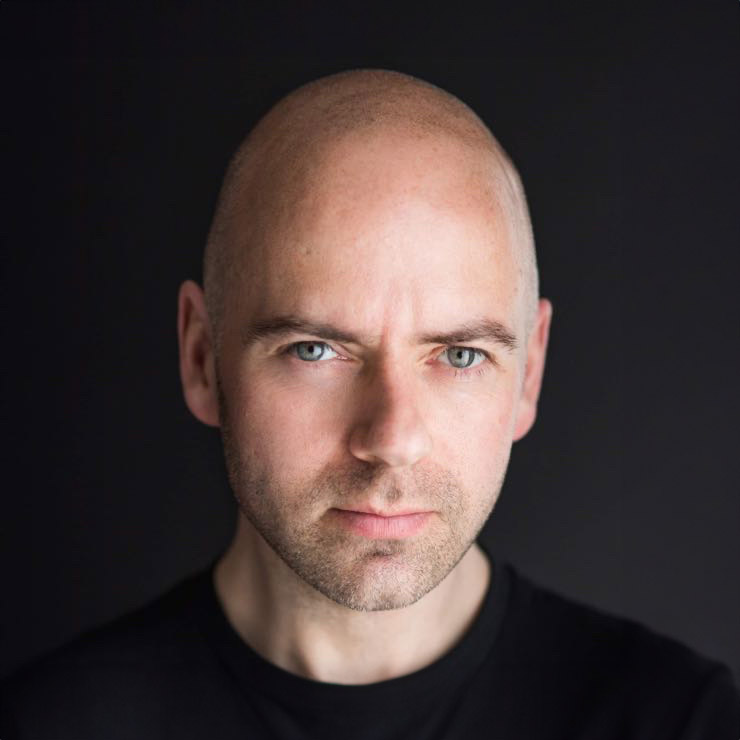
A strong headshot can quietly do a lot of work before you ever speak to someone. It shapes first impressions on LinkedIn, your company website, casting profile or personal brand, and that is exactly why people ask what makes a good headshot in the first place. The short answer is not expensive gear or heavy retouching. It is a photograph that feels like you at your best – confident, approachable, credible and right for the role you want it to play.
That sounds simple, but getting there takes more than standing in front of a camera and smiling. A good headshot is a mix of technical skill, clear purpose and the right coaching during the session. When those pieces come together, the image looks natural rather than forced, polished rather than stiff.
What makes a good headshot for professional use?
The best headshots are built around context. A solicitor, a startup founder, a singer and a personal trainer do not all need the same photograph, even if each one wants to look professional. The expression, background, crop, clothing and overall feel should support how that person wants to be seen.
For most business professionals, a good headshot needs to communicate trust quickly. People should look at it and think, this person seems capable, approachable and credible. That balance matters. If the image is too stern, you can appear distant. If it is too casual, it can weaken authority. The right headshot sits comfortably in the middle, with enough warmth to feel human and enough polish to feel professional.
For performers and creatives, there is often more room for personality. Even then, clarity still wins. A good headshot should not confuse the viewer or distract from your face. It should help people recognise you, understand your presence and imagine meeting you in real life.
Expression matters more than most people think
If there is one thing people notice first, it is expression. Not your jacket. Not the background. Not whether the image was taken on a grey or white backdrop. They notice your face, especially the eyes.
A good headshot usually has direct, engaged eye contact. It feels present. You look like you are paying attention, not merely enduring the session. This is one reason rushed photography often falls flat. When someone feels awkward or over-directed, the face tightens. The smile becomes polite rather than genuine. The result may be technically fine, but it does not feel convincing.
That is where guidance makes a real difference. Most people are not models, and they do not need to be. They simply need direction that helps them relax and make small changes in posture, chin position and expression. Often the best frames happen in the moments between poses, when someone stops trying so hard and starts looking like themselves.
There is also no single correct expression. A warm smile works well for many industries, especially client-facing roles. A softer, more neutral expression can be better for certain corporate or editorial uses. It depends on where the image will appear and what impression it needs to create.
Good lighting is flattering, not flashy
People often assume a good headshot is about dramatic lighting or visible photography tricks. In reality, the best lighting is usually the kind you barely notice. It shapes the face cleanly, flatters skin tone, adds life to the eyes and avoids harsh shadows that pull attention in the wrong direction.
A flattering headshot does not need to make you look different. It needs to make you look clear, healthy and well presented. Light should define your features without exaggerating them. That is particularly important if you are camera-shy, because strong or awkward lighting can make people feel more self-conscious when they see the images.
The background matters too, but less than many expect. A plain studio background can look excellent when it suits the brand or purpose. An environmental background can also work well if it adds context without becoming busy. The key is separation. Your face should remain the obvious focal point.
Styling should support you, not steal attention
Clothing, grooming and styling all contribute to what makes a good headshot, but they should never overpower the person in the image. In most professional headshots, simpler choices work better. Solid colours tend to be more reliable than loud patterns, and well-fitted clothing nearly always photographs better than something trendy but distracting.
That does not mean boring. It means intentional. What you wear should fit your industry, your brand and your personality. A financial adviser may benefit from a more structured look. A designer or creative consultant may have more freedom to show style. Both can work, as long as the final image feels considered.
Grooming follows the same rule. Hair, makeup and beard styling should look neat and current, not overdone. If retouching is used, it should be restrained. Good retouching helps the image look polished while still looking like you. If skin texture disappears completely or features are altered too heavily, trust drops away. People can sense when a portrait has been pushed too far.
A good headshot looks natural, but it is not accidental
One of the biggest misconceptions is that natural-looking headshots just happen. In truth, the most effortless portraits are usually carefully guided. Subtle changes in posture can sharpen the jawline. A slight turn of the shoulders can make the image more flattering. The position of the forehead and chin can change the whole feel of the portrait within seconds.
This is why a headshot session should never feel like a conveyor belt. People need a little time to settle in, review what is working and adjust. Seeing images during the shoot can be especially helpful because it turns the process into a collaboration. Instead of wondering whether you look awkward, you can make informed choices in the moment.
That matters for confidence. When people feel involved and supported, they almost always photograph better. The expression softens, posture improves and the final headshot feels more believable.
What makes a good headshot is relevance
The strongest image is not always the most artistic one. It is the one that fits its purpose.
A LinkedIn headshot should usually be clear, professional and approachable at a small size. A company website portrait may need to match the rest of a team set for consistency. A performer headshot may need to show more character and range. A speaker or consultant may want something polished enough for press use but warm enough for social media and website bios.
This is where one-size-fits-all advice falls short. Even details like crop can change depending on use. Tight crops can feel direct and modern. Slightly wider crops can feel more relaxed and versatile. Neither is automatically better. The question is always, better for what?
The photographer’s role is bigger than taking the picture
A good camera does not create a good headshot on its own. The experience around the shoot has a huge impact on the result, especially for people who dislike being photographed.
A strong headshot photographer is part technician, part coach. They know how to light a face, choose a flattering angle and produce consistent quality. Just as importantly, they know how to put people at ease, explain what to do clearly and notice when someone is slipping into a stiff expression.
That calm direction is often the difference between a headshot that looks fine and one that feels strong. At Newcastle Headshots, for example, the coached approach is designed around this exact issue. Most clients are not turning up because they love cameras. They are there because they need a better image and want help getting it. The process should meet them there.
The best headshot feels like a better first impression of you
When clients ask what makes a good headshot, they are often really asking a deeper question. How do I look like myself, but more polished? How do I come across as confident when I do not naturally feel confident in front of a lens?
That is the right question. A good headshot is not about pretending to be someone else. It is about removing the things that get in the way – poor lighting, awkward posture, forced expressions, unhelpful styling and the stress of not knowing what to do.
Once those obstacles are gone, what remains is something simple and powerful: a clear, professional image that helps people trust you. Not because it is perfect, but because it feels honest, capable and considered.
If you are choosing or updating your headshot, aim for that. Not a photo that is merely flattering, and not one that is overly polished. Aim for one that looks like the version of you people will be glad to meet.


