

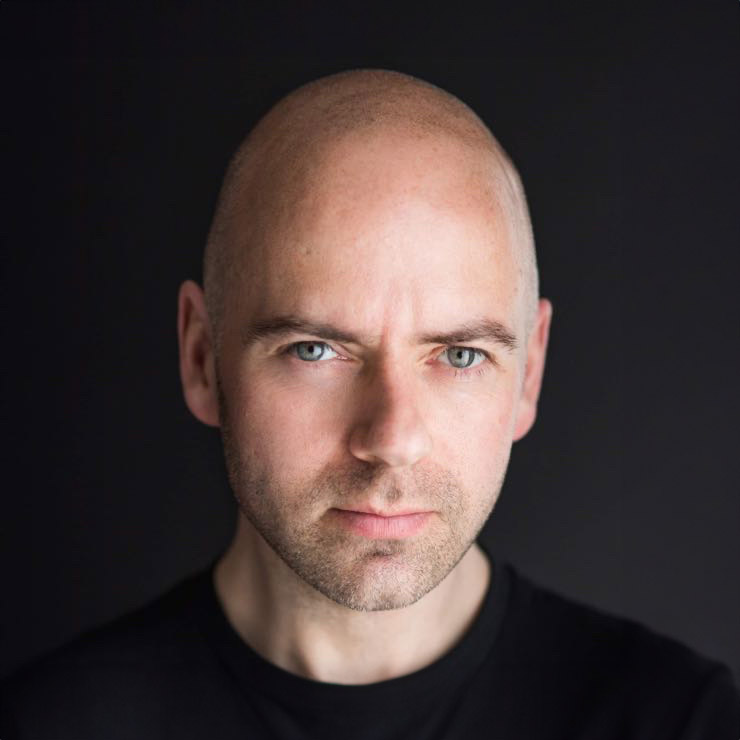
The difference between a photo that gets ignored and one that builds trust is rarely about being naturally photogenic. It is usually about clarity. A strong personal brand photography guide starts there – not with poses or props, but with how you want to be perceived when someone lands on your LinkedIn profile, website or speaker bio.
For most professionals, that is the real challenge. You do not just need a flattering image. You need photographs that look like you on a very good day, while still feeling credible, approachable and aligned with your work. That takes planning, direction and a clear idea of what the images need to do.
What personal brand photography is really for
Personal brand photography sits slightly differently from a standard headshot. A headshot is often your clean, polished introduction. Personal brand photography is broader. It can include headshots, but it also covers lifestyle portraits, working shots, detail images and branded visuals that help tell people what you do and how you do it.
If you are a consultant, your images might need to communicate authority and warmth. If you are a performer, they may need range and personality. If you run a small business, your photographs may need to appear across your website homepage, social media, press features and proposal documents. One image will not always do all of that well.
That is why a personal brand photography guide should focus on purpose before style. The best session is not the one with the most outfits or locations. It is the one that gives you useful images for real-world use.
Start with how you want to come across
Before you think about clothes or backgrounds, decide on three words you want people to associate with you. For many professionals, those words are confident, approachable and professional. Others may prefer creative, grounded and energetic, or calm, credible and modern.
These choices shape everything. They influence your expression, the lighting style, the setting and how formal the final images should feel. A solicitor and a fitness coach may both need personal branding images, but they should not look like they came from the same brief.
This is where many people go wrong. They collect inspiration that looks attractive without asking whether it supports the impression they need to create. Good brand photography is less about copying trends and more about making smart visual decisions.
A personal brand photography guide to planning the shoot
The most relaxed sessions tend to be the best planned. That does not mean overcomplicating it. It means making a few key decisions in advance so you are not guessing on the day.
Start with where the images will be used. If your priority is LinkedIn and a company profile, a clean studio headshot may be the most valuable place to start. If you are refreshing a personal website, you may also need wider images with space for text, horizontal crops and a few natural-looking working shots. If you post regularly on social media, variety matters more.
Then consider the setting. A studio gives control, consistency and a polished finish. It is especially useful if you want images that feel refined and distraction-free. A workplace or location shoot can add context, but only if the setting supports the brand. An office with poor lighting and clutter will not automatically make the image feel more authentic. Sometimes it simply looks untidy.
Think about timing too. If you need these images for a launch, job search or website refresh, do not leave the shoot until the last minute. You want enough breathing room to prepare properly and choose images without pressure.
What to wear for personal brand photography
Clothing has one job: help people focus on you. It should support the message, not compete with it.
For most people, plain colours work better than busy patterns. Mid-tones and richer shades often photograph well because they add shape without dominating the frame. Very bright whites can be harsh under some lighting, while tiny checks or tight stripes can distract. Texture can work beautifully, especially in jackets, knitwear and structured fabrics, but it still needs to feel clean and professional.
Fit matters more than labels. A well-fitted jacket or top will almost always look better than something expensive that pulls, bunches or hangs awkwardly. Bring options if you can. A smart photographer will help you choose what works best on camera rather than what merely looks good on the hanger.
It also helps to dress one notch above your everyday standard, unless your brand is deliberately casual. You want the polished version of your normal professional self. If clients met you the day after the shoot, the photographs should still feel believable.
Hair, make-up and grooming without overdoing it
The goal is not to look unlike yourself. It is to look fresh, well-rested and camera-ready.
Hair should be tidy and intentional. If you are due for a haircut, book it a few days before rather than the day before, so it settles naturally. Make-up, if worn, usually works best when it is slightly more defined than daily wear but still recognisably you. Shine control matters on camera, especially for studio work, and a small grooming check can make a noticeable difference.
Glasses are a common concern. In many cases they can work very well, but reflections may need managing. If you wear them all the time, keep them in for at least some images. If they are only occasional, it can be worth shooting both ways.
Why expression and direction matter more than posing
Most people who say they are awkward in photos are not actually bad in front of a camera. They are simply being left to work it out on their own.
The strongest personal brand images rarely come from stiff posing. They come from good direction, subtle adjustments and a photographer who can coach expression. A small change in posture, chin position or eye line can shift an image from hesitant to self-assured. The same goes for expression. Friendly does not mean grinning at full volume, and professional does not mean stern.
This is one reason guided sessions are so valuable. You should not be expected to arrive already knowing your angles, your best expression or what to do with your hands. A calm, coached process takes that pressure away and helps you settle into the session properly.
Variety matters, but only useful variety
People often assume a successful personal branding shoot means getting as many different looks as possible. Sometimes that is true. Sometimes it creates a gallery full of images that all feel disconnected.
Useful variety means creating a set of photographs with different purposes. You may need a direct-to-camera headshot for LinkedIn, a warmer environmental portrait for your About page, a few horizontal images for banner spaces and some natural-looking shots that suggest movement or interaction. That is enough for many professionals.
Too much variation can dilute the brand. If one image looks highly corporate, another looks ultra-casual and a third feels like fashion editorial, the overall impression becomes muddled. Consistency is part of credibility.
Choosing the right photographer for your brand
Technical skill matters, but it is not the whole story. If you feel tense, rushed or self-conscious, it will show in the final images.
Look for a photographer whose work feels consistent rather than occasionally impressive. Pay attention to expression. Do people look comfortable, confident and like themselves? That tells you a lot about the experience behind the camera. It is also worth looking for a process that includes guidance, image review and enough time for you to relax into it.
A selective purchasing model can help too. It is reassuring to know you only buy the images you genuinely want, rather than committing in advance and hoping for the best. For many clients, that removes a lot of pressure.
At Newcastle Headshots, that coached and no-rush approach is often what turns camera-shy clients into people who actually enjoy the session.
How to use your images once you have them
Strong brand photography should earn its keep. That means using it consistently.
Refresh your LinkedIn profile, company bio, website, speaker materials and social channels so your visual presence feels aligned. If you work across multiple platforms, crop choices matter. A brilliant landscape image may not solve your profile photo needs, while a perfect headshot may not work in a homepage banner.
It is also worth revisiting your images regularly. If your role, appearance or brand positioning has changed, outdated photography can quietly undermine trust. Most professionals do not need a full brand shoot every few months, but they do need to avoid looking ten years out of date online.
The best personal brand photography does not make you look glamorous for the sake of it. It helps people feel more certain about you before you ever speak to them. If your images can do that while still feeling natural, you are not just looking better online – you are making it easier for the right opportunities to find you.


