

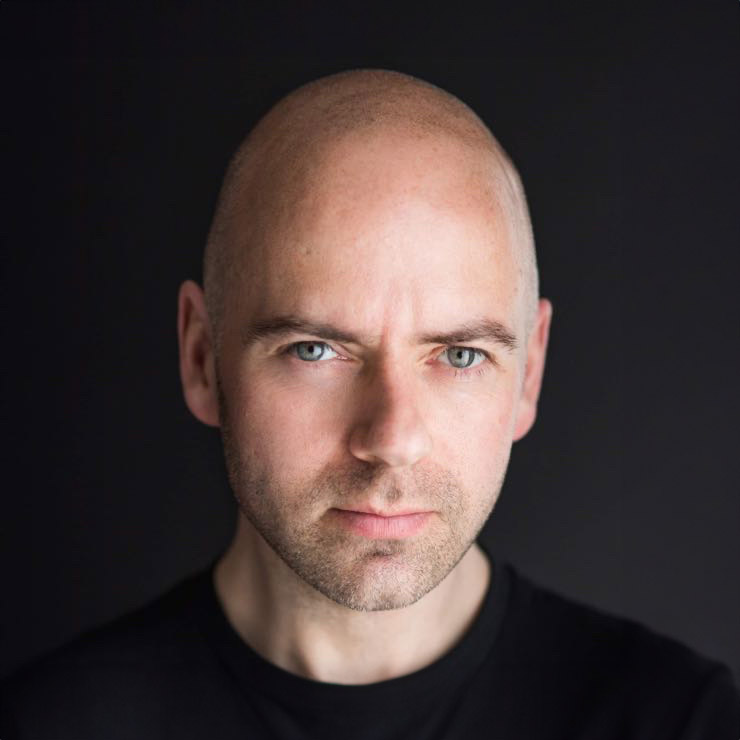
You can see the question on people’s faces before the camera even comes up – should I smile in headshots, or will that make me look less serious? It is one of the most common concerns in a professional session, and the honest answer is not always yes or no. The right expression depends on what you need the image to do.
A headshot is not just a nice photo of you. It is a first impression that shapes how people read your professionalism, warmth and credibility. On LinkedIn, a company website, a speaker profile or a casting page, your expression changes the message before anyone reads a single word. That is why this decision matters more than most people think.
Should I smile in headshots for a professional image?
In many cases, yes. A natural smile makes you look more approachable, more confident and easier to trust. For professionals in client-facing roles, leadership positions, recruitment, sales, coaching, health, fitness, media and many creative industries, that warmth can make a real difference.
The problem is that people often hear “smile” and imagine a broad grin that feels forced, awkward or out of place. That is not what most professional headshots need. A good headshot smile usually sits somewhere between neutral and beaming. It has life in the eyes, a relaxed mouth and an expression that feels genuine rather than performed.
If your photo needs to help people feel comfortable contacting you, hiring you or working with you, a slight to moderate smile is often the strongest choice. It signals confidence without looking stiff, and friendliness without looking casual.
When not smiling can work better
There are situations where a more neutral expression is the better fit. If you work in a field where authority, precision or intensity is central to how you want to be perceived, smiling may not always be the most effective option. Some legal, corporate, editorial or performance-focused headshots benefit from a calmer, more composed look.
That said, neutral does not mean cold. A flat, tense expression can make you look uncomfortable or unapproachable. The goal is still to appear present, confident and engaged. Even without a visible smile, the eyes should feel alert and connected.
For performers, the answer can vary even more. An actor may need one image with warmth and another with edge. A journalist or author may want something thoughtful rather than cheerful. A personal trainer might suit a stronger, more energised expression than a conventional business smile. The best expression is the one that matches your role and the audience you want to reach.
What your smile communicates
Expression does a lot of heavy lifting in a headshot. Before people register your outfit, background or job title, they read your face. A warm smile can suggest openness, empathy and ease. A softer smile can feel polished and self-assured. A neutral expression can appear strong and direct.
This is where context matters. A recruiter scrolling through profiles may respond well to a candidate who looks capable and approachable. A consultant may want to project expertise without seeming distant. A senior executive may need to balance authority with warmth. None of these goals are identical, so the same expression will not suit every person equally.
That is why the real question is usually not simply “should I smile?” but “how do I want to come across?” Once that is clear, the expression becomes much easier to get right.
Should I smile in headshots for LinkedIn?
For LinkedIn and most business profiles, a natural smile is usually the safest and strongest option. It helps you look current, confident and easier to engage with. Unless your industry strongly rewards a very formal image, a completely serious expression can create unnecessary distance.
This does not mean every LinkedIn headshot should look cheerful in the same way. A finance professional, a therapist and a marketing consultant may all smile differently. The expression should still fit your personal brand, your industry and the level of formality you want to project.
A useful way to think about it is this: if someone lands on your profile for the first time, does your photo make interaction feel easier or harder? In most cases, a good smile makes it easier.
The difference between a good smile and a forced one
Most people are not worried about smiling itself. They are worried about looking fake. That concern is completely fair, because a forced smile is easy to spot. It usually shows up as a tight mouth, tense jaw and eyes that do not match the expression.
This is one reason guided headshot sessions matter. Very few people can produce their best expression on demand without support. Good direction helps you relax your face, adjust your posture and find variations that feel natural. Often, the best smile appears in the moments between poses, when you stop trying so hard to “do it right”.
A photographer should not simply tell you to smile and hope for the best. They should coach you into an expression that suits your face and your goals. Sometimes that means softening the mouth. Sometimes it means lifting the energy in the eyes. Sometimes it means dialling the smile down, not up.
How to decide what expression suits you
If you are unsure, start with the purpose of the image. Ask yourself where the headshot will be used, who will see it and what you want them to feel. A job seeker may want to look approachable and competent. A business owner may want to appear polished and trustworthy. A performer may need range.
It also helps to think about your natural communication style. If you are warm and personable in real life, a very stern photo may feel disconnected from the experience people have when they meet you. If you are measured and quietly confident, an exaggerated grin may feel just as off. The strongest headshots tend to feel like your best day, not a different personality.
During a session, it is often worth capturing both smiling and non-smiling options. That gives you room to compare what actually works rather than guessing in advance. Many people are surprised by the result. The expression they thought would look strongest is not always the one that feels most credible on screen.
Why expression coaching makes such a difference
Being photogenic is rarely the issue. Most people simply have not been shown how small changes in expression affect the final image. The angle of your chin, tension in your mouth, where you focus your eyes and how you breathe can all change the feeling of a headshot.
That is why a calm, coached approach works so well, especially if you feel awkward in front of the camera. You do not need to arrive knowing your best side or your best smile. You need clear guidance, enough time to settle in and honest feedback as you go.
At Newcastle Headshots, this is a big part of the process. When clients can review images during the shoot and adjust in real time, the pressure drops. They stop trying to guess how they look and start making confident choices based on what actually suits them.
A practical rule if you are still unsure
If your headshot is for business use and you want one safe recommendation, choose a relaxed smile. Not a huge grin, not a blank expression. Just enough warmth to look open, self-assured and easy to trust.
If your role calls for stronger authority or a more editorial feel, include a neutral option too. The smartest approach is often not choosing one expression forever, but having images that serve different purposes. A website bio, LinkedIn profile, press feature and casting submission may not all need the same energy.
The best headshot does not follow a rule for the sake of it. It reflects who you are, supports your professional goals and helps the right people feel confident about you before you ever meet.
If you are asking whether you should smile in your headshots, you are already thinking about the right thing: the impression your image creates. And that is exactly where a strong headshot begins.


