

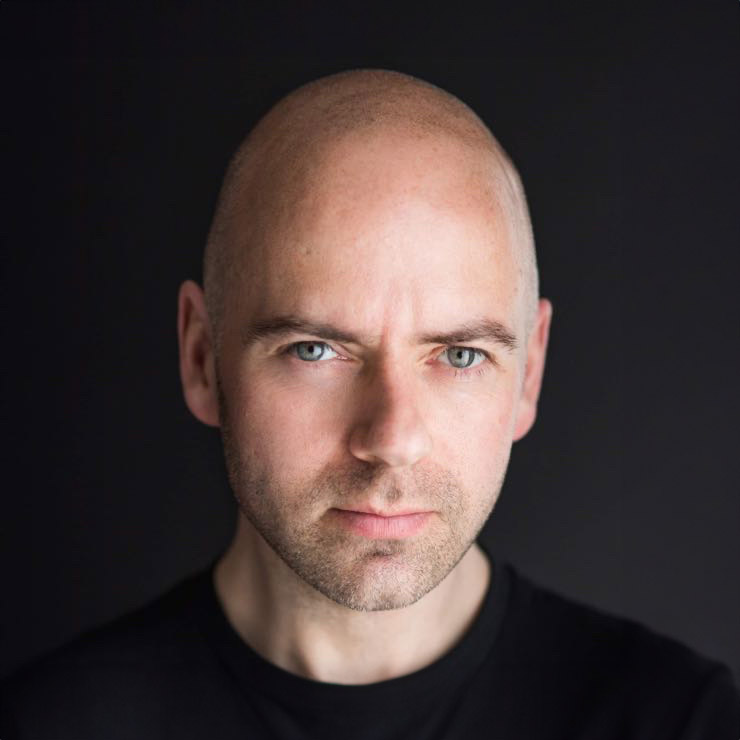
A headshot has a split second to answer a quiet but important question: would I feel comfortable speaking to this person? Whether someone finds you on LinkedIn, your company website or a casting profile, an approachable image can make the difference between seeming polished and seeming distant. Learning how to look approachable in headshots is not about putting on a huge grin or pretending to be someone else. It is about helping the camera capture the warmth, confidence and professionalism people experience when they meet you.
For many people, the challenge is that being photographed does not feel natural. You may feel self-conscious, unsure what to do with your face, or worried that your smile looks forced. The good news is that approachability is rarely about being naturally photogenic. It comes from a few small, well-guided choices.
What makes a headshot feel approachable?
Approachability is a balance. You want to look open and engaged, but still credible in your role. A solicitor, senior leader and consultant may need a more composed expression than a personal trainer, actor or creative entrepreneur, yet all can appear welcoming.
The most effective professional headshots usually combine three things: relaxed eyes, a genuine hint of warmth around the mouth, and body language that feels present rather than guarded. The aim is not to look permanently cheerful. It is to look like someone who is comfortable in their own skin and ready to connect.
A headshot can look less approachable when the face is overly tense, the chin is held too high, the shoulders are rigid, or the expression is so neutral that it reads as disinterested. These are common camera reactions, not personal flaws. With the right direction, they are easy to adjust.
How to look approachable in headshots without forcing a smile
A forced smile is usually easy to spot. It often sits only in the mouth, while the eyes remain tense or uncertain. Instead of trying to hold a broad smile for the whole shoot, think of your expression as a range.
Start from a calm, neutral face. Let your shoulders settle, breathe out slowly, and allow a small smile to form as though you have just greeted someone you like. This softer expression is often more useful for professional profiles than a full grin because it feels natural, capable and trustworthy.
Your eyes do much of the work. Looking approachable does not mean staring intensely into the lens. It means keeping your focus gentle and engaged. A good photographer will help by giving you something specific to respond to, making conversation, and photographing you between overly posed moments. That is often when the most convincing expressions appear.
It can also help to think of a real person rather than the camera. Imagine you are about to meet a valued client, colleague or friend for a coffee. That mental shift changes the expression more effectively than simply being told to smile.
Relax your face before the camera comes up
Tension tends to gather in the jaw, forehead and mouth. Before your session, gently loosen your jaw, drop your shoulders and take a few slow breaths. If you notice yourself pressing your lips together, release them slightly.
Avoid trying to perfect your face in a mirror immediately before every photograph. Constant self-checking can make you more tense. Trust the process, listen to the guidance you are given, and make one small adjustment at a time.
Let the smile match your professional role
There is no single correct expression. If your work involves sales, coaching, healthcare, hospitality or client relationships, a brighter smile may suit your audience. If you work in law, finance, engineering or senior leadership, a quieter smile may communicate confidence more effectively.
The key is consistency with how you want to be perceived. Your headshot should not make you look unlike yourself when a new contact meets you in person. It should make your best everyday presence easier to recognise.
Use posture that feels open, not posed
You do not need to stand bolt upright and square to the camera. In fact, that position can feel formal and slightly confrontational. A subtle turn of the body, with your face brought back towards the lens, usually creates a more relaxed and flattering shape.
Keep your shoulders down and away from your ears. Think of length through the back of your neck, rather than pushing your chin forward. A photographer may ask you to bring your forehead slightly towards the camera. Although it can feel unusual, this small adjustment helps define the jawline while keeping the face engaged.
Your hands may not appear in a close headshot, but they still affect your posture. If they are clenched or hidden awkwardly, tension travels up through the shoulders. Let them rest naturally, or use a simple pose suggested by your photographer.
Approachable body language also means allowing a little movement. Tiny shifts between frames help prevent the stiff, fixed look many people fear. You are not a mannequin, and your headshot should not feel like one.
Choose clothes that support your expression
Your clothing should frame your face, not compete with it. When people are deciding whether you look approachable, their attention should land first on your eyes and expression.
Solid colours and simple textures are often the safest option. Mid-tones, deeper shades and colours that suit your complexion tend to photograph well. Consider navy, charcoal, forest green, burgundy or a colour that you regularly receive compliments on. The best choice depends on your colouring, your industry and the background being used.
Avoid very busy prints, large logos and anything that feels unlike your usual professional wardrobe. If you would never wear a sharply formal suit to meet your clients, you do not need to wear one simply because you are having a headshot taken. Equally, if your role calls for smart tailoring, a casual T-shirt may undercut the authority you want to convey.
Fit matters more than fashion. Clothes that pull, gape or feel restrictive can make you physically uncomfortable, and that discomfort will show in your posture. Bring a couple of options if you are unsure. Seeing them on camera is more useful than guessing from a bedroom mirror.
Prepare for confidence, rather than perfection
The night before your session, aim for the practical basics: reasonable sleep, plenty of water and enough time to arrive without rushing. You do not need a dramatic makeover. In fact, looking recognisably like yourself is the goal.
If you wear make-up, choose a polished version of your normal look. A little powder can reduce shine, but heavy make-up or unfamiliar products may make you feel less like yourself. For grooming, tidy details such as facial hair, haircuts and nails are worth considering, especially if hands may be included in wider branding photographs.
Most importantly, do not wait until you feel completely confident to book a headshot. Very few people arrive feeling camera-ready. Confidence often grows during the session, once you realise you will be directed and do not have to work out every angle or expression alone.
Work with direction, not against it
The best headshot sessions are collaborative. You bring your personality and professional goals; the photographer brings the technical knowledge and coaching needed to translate them into photographs.
Tell your photographer where the image will be used and how you want people to describe you. Perhaps you need to appear calm and authoritative for a leadership profile, friendly and energetic for your small business, or creative but credible for a personal brand. That context shapes choices around expression, lighting, posing and wardrobe.
During the shoot, resist the temptation to judge every frame too harshly. A photograph can feel unfamiliar simply because you are used to seeing your face in a mirror. Reviewing images with professional guidance helps you focus on what others will see: warmth, competence, clarity and connection.
At Newcastle Headshots, expression coaching and image review are part of making the experience feel straightforward, especially for people who would rather be anywhere else than in front of a camera.
Give yourself permission to look human
The most approachable headshots are not overly perfected. They have enough polish to inspire confidence, while still showing the person behind the job title. A slight asymmetry in a smile, a relaxed laugh between poses, or a thoughtful expression can be far more engaging than a picture that looks carefully manufactured.
Your job is not to perform for the camera. It is to arrive prepared, let yourself be guided, and allow your natural warmth to come through. When your expression, posture and styling feel aligned with who you are, people looking at your headshot will have a much easier time seeing someone they want to know.


