

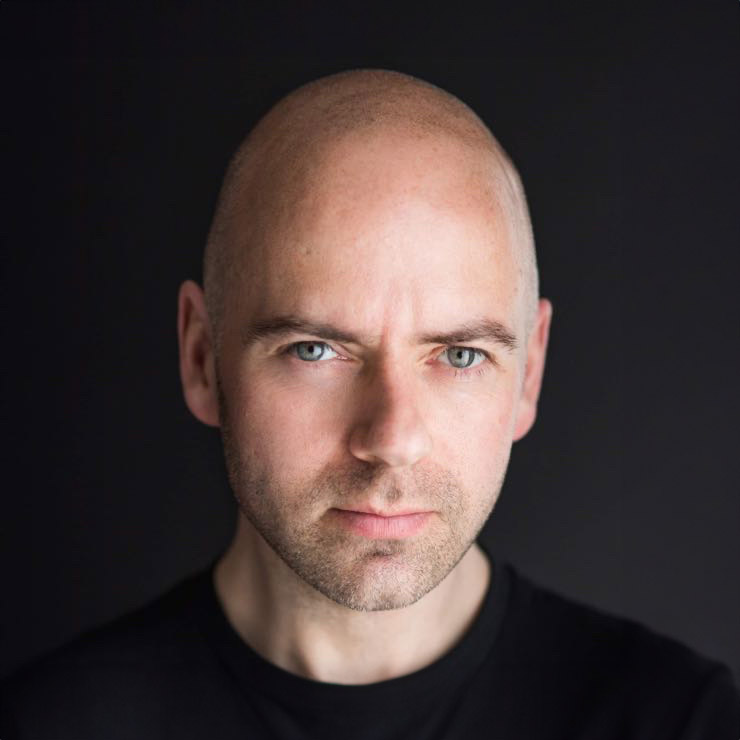
Casting decisions can start in seconds. Before you speak, self-tape, or walk into the room, your headshot is already shaping an impression. That is why choosing the right actor headshots photographer matters so much. A strong image does not just show what you look like. It suggests range, credibility, professionalism, and whether you feel believable on screen or stage.
If that sounds like a lot of pressure, it is. But it should not feel intimidating. A good headshot session is not about standing stiffly in front of a camera and hoping for the best. It is a guided process. The right photographer will help you look natural, relaxed, and truthful, so your images feel like you on a very good day, not a stranger in expensive lighting.
What an actor headshots photographer should actually do
An actor headshots photographer is not simply someone with a good camera and a plain backdrop. They need to understand performance, type, expression, and subtle differences in energy. Business headshots and actor headshots can overlap in quality and professionalism, but they serve different purposes.
For actors, the image needs to feel castable. That means less corporate polish for its own sake and more focus on honesty, presence, and emotional readability. The best headshots give casting directors enough information to imagine you in a role. They do not oversell. They do not hide you. They do not rely on heavy retouching or dramatic styling to create something artificial.
A skilled photographer should coach without over-directing. That balance matters. Too little direction and most people look uncertain. Too much, and expressions start to feel forced. You want someone who can spot tiny shifts in posture, jaw tension, eye contact, and energy, then adjust quickly and calmly.
The difference between a decent photo and a bookable one
Plenty of images are technically fine. Sharp focus, flattering light, clean background. That is a baseline, not the goal.
A useful actor headshot has a sense of life in it. You look present. There is thought behind the eyes. Your expression feels specific rather than blankly pleasant. That does not mean every headshot should be intense or serious. It means the image should say something clear.
This is where many actors get stuck. They assume they need to look more dramatic, more glamorous, or more distinctive than they really are. In practice, simpler often works better. Casting teams are not looking for mystery for the sake of it. They are looking for clarity. Can they see your age range, your casting type, and your personality without distraction?
That is why honest styling, good coaching, and carefully chosen final images matter more than gimmicks.
How to assess a photographer’s portfolio
Start by asking a simple question. Do the people in the portfolio look believable?
Not just attractive. Not just well lit. Believable.
When you look through a photographer’s actor work, pay attention to variety. Do all the faces carry the same expression, regardless of the person? If so, that usually tells you the photographer has one style of direction and applies it to everyone. That may produce polished images, but it does not always produce useful actor headshots.
You should also look for consistency. A strong portfolio will show different people looking like themselves at their best. Skin tones should look natural. Retouching should be restrained. Clothing should support the image rather than dominate it. If every shot feels heavily edited or overly cinematic, ask whether that style will still serve you when your headshot lands beside hundreds of others on a casting platform.
One more thing to notice is whether the photographer captures subtle shifts. Can you see a difference between open, grounded, warm, sharp, playful, guarded? Those small emotional changes are often more valuable than big dramatic ones.
Why coaching matters if you feel awkward on camera
Most people are not naturally comfortable being photographed, and actors are not always the exception. Performing in character is very different from being asked to stand there as yourself and appear interesting, relaxed, and camera-ready.
That is why coaching during the session is such a big part of the result. A photographer who can guide expression, breathing, posture, and focus will save you from the flat or strained look that appears when someone is trying too hard.
This support should feel calm and specific. You should not be left guessing what to do with your face. Equally, you should not be pushed into expressions that do not feel true to you. The best sessions have a sense of collaboration. You are not being judged. You are being led towards stronger choices.
For many clients, that is the difference between dreading the experience and actually enjoying it.
What to discuss before booking your actor headshots photographer
A short conversation before the session can prevent a lot of disappointment later. You want to know whether the photographer understands the purpose of the shoot and how you need to use the images.
Ask how they approach actor headshots specifically. Ask whether they offer direction throughout the session. Ask how image selection works and whether you can review photos as you go. That last point is especially useful because it allows small adjustments during the shoot rather than unpleasant surprises afterwards.
It is also worth asking about retouching. Good retouching should remove temporary distractions and keep your skin looking like skin. It should not reshape your face or erase all texture. If you do not look like your headshot in the waiting room, the image has stopped helping you.
Clothing, styling, and the trap of trying too hard
Actors often worry about what to wear because clothing feels like a shortcut to type. Sometimes it helps. More often, overthinking it gets in the way.
Your outfit should support your face, not compete with it. Solid colours usually work well. Necklines matter. Layers can help add shape and variation. Loud patterns, distracting logos, and outfits that feel like costume tend to date quickly or pull attention away from your expression.
Hair and make-up should be handled with the same logic. Polished is good. Overdone is risky. You want the final result to feel current, clean, and recognisable. If you normally wear very little make-up, a heavily styled look may not help you. If you always present yourself in a more polished way, then your headshots should reflect that. It depends on your casting space, but truth should stay at the centre.
Price matters, but value matters more
It is reasonable to compare prices. Headshots are an investment, especially if you are updating Spotlight, agency materials, social profiles, and self-promotion assets at the same time.
Still, the cheapest option can become expensive if the images do not get used. A lower fee may mean rushed shooting, limited guidance, poor image review, or heavy upselling afterwards. On the other hand, the highest price does not automatically mean the best fit.
Look at the whole experience. How long is the session? Is coaching included? Can you review images during the shoot? Do you only pay for the final shots you want? Is there enough time to try different looks without being hurried? Those details often make the difference between value and frustration.
At Newcastle Headshots, that coached, no-rush approach is central because better expressions rarely happen when someone feels under pressure.
Signs you have found the right fit
The right photographer will make you feel understood before the camera even comes out. They will care about how you need to be seen, not just about producing something stylish for their portfolio.
You should come away with images that feel current, clear, and usable. Not flattering in a vague sense, but strategically right for your casting. You should still look like yourself. Just more confident, more focused, and easier to cast.
That is the real job of a strong headshot. It helps people picture you in the work you want.
If you are choosing an actor headshots photographer, trust the combination of evidence and instinct. Look for skill, yes, but also for calm direction, honest communication, and a process that helps you relax. The best headshots rarely come from trying to look impressive. They come from being well guided enough to look real.


