

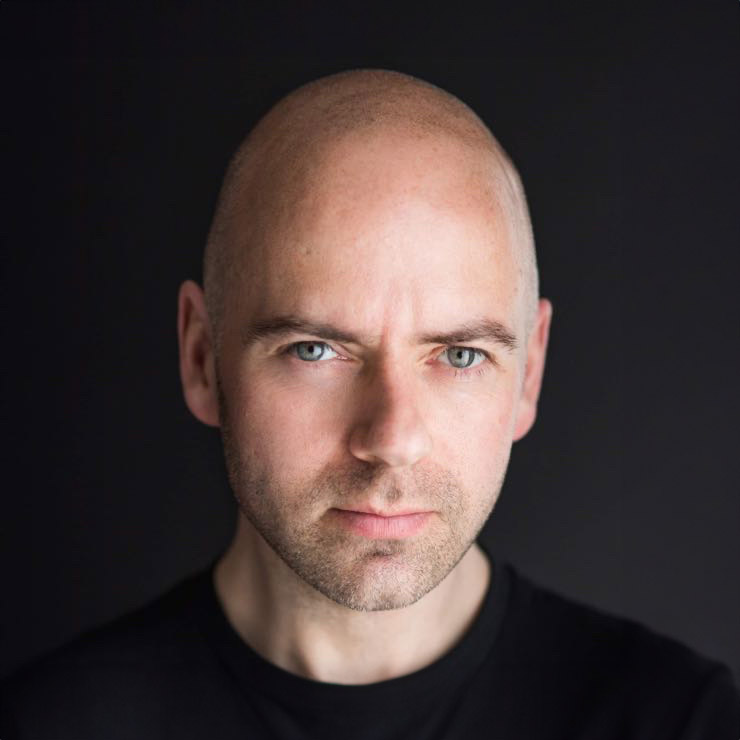
Your LinkedIn photo is often seen before your CV, your website, or your first reply to an email. That is why choosing the right LinkedIn profile photo photographer matters more than most people expect. A strong headshot does not just show your face. It signals credibility, approachability, and the level of care you bring to your work.
For many professionals, the challenge is not understanding that a good photo helps. It is knowing how to choose someone who can actually create one. Plenty of photographers can use a camera. Fewer know how to guide a nervous client, shape a business-appropriate image, and produce a portrait that feels polished without looking stiff or overdone.
What a LinkedIn profile photo photographer should really do
A good LinkedIn headshot is not simply a cropped portrait on a plain background. It has a job to do. It should help you look like someone people would trust to hire, contact, shortlist, or meet.
That means your photographer needs to think beyond lighting and sharpness. They should understand personal brand positioning. A solicitor, consultant, actor, recruiter, and fitness coach may all need a professional image, but the right expression, crop, wardrobe choice, and background will not be identical for each one.
This is where experience matters. A specialist LinkedIn profile photo photographer knows how to balance professionalism with warmth. Too formal, and the image can feel distant. Too relaxed, and it can look casual or unconvincing. The best results usually sit in the middle – clear, confident, approachable.
Signs you are choosing the right photographer
The first thing to look at is not price. It is consistency. Can the photographer produce strong results across different ages, face shapes, industries, and confidence levels? A portfolio should not only show attractive people who already know how to pose. It should show ordinary professionals looking natural, capable, and comfortable in front of the camera.
The second sign is coaching. Most people are not models, and they should not be expected to behave like one. If a photographer gives no direction, the session can quickly become awkward. You end up wondering what to do with your hands, how much to smile, whether your chin looks strange, and why every frame feels slightly off.
A photographer who specialises in headshots should guide posture, expression, head angle, and eye line in a calm and practical way. That support often makes the difference between a photo that looks hesitant and one that looks assured.
The third sign is whether you can review images during the session. This is a simple but valuable part of the process. Seeing the photos as you go helps you adjust small details before the shoot ends. It also reduces anxiety because you are not left hoping something worked. You can see it.
Why specialist headshot experience matters
There is a big difference between hiring a general portrait photographer and someone who regularly creates business headshots. General portrait work can be beautiful, but LinkedIn has its own visual context. Your image appears small, often on mobile, next to names, job titles, and company logos. It needs to read clearly and quickly.
That affects how the photo should be lit, framed, and edited. A heavily styled portrait with dramatic shadows may look impressive on a website, but it may not perform well as a profile image. Equally, an overly soft or filtered photo can damage trust. People want to see you looking like your best professional self, not a different person.
A specialist is more likely to understand these details. They know that subtle choices matter. A slight turn of the shoulders can make you appear more open. A better crop can increase impact. A genuine expression can make you seem more credible than the most expensive outfit ever could.
Questions to ask before you book
It is worth asking how the session is run. Do they guide clients who feel uncomfortable? Can you bring a change of outfit? Will they help you choose the strongest images? Is retouching included, and if so, how natural is it?
These questions are not fussy. They tell you how seriously the photographer takes outcomes rather than just the act of taking pictures. If the answers are vague, rushed, or overly technical, that can be a warning sign.
It also helps to ask who the photographer usually works with. If their experience is mainly weddings, family shoots, or events, they may still do a decent job. But if your goal is a headshot that supports your career, it makes sense to choose someone who regularly works with professionals, teams, and people building a public-facing profile.
What to avoid in a LinkedIn headshot session
One common mistake is booking purely on convenience. A cheap mini-session in a busy studio or corporate pop-up can work for some people, but it can also feel rushed. If you need time to settle, test expressions, or adjust clothing, a fast in-and-out format may not bring out your best.
Another issue is over-editing. Good retouching should help you look fresh, polished, and well presented. It should not erase every line, smooth every texture, or leave you looking artificial. On LinkedIn, realism matters. If someone meets you after seeing your photo, they should recognise you immediately.
You should also be careful with photographers whose work looks stylish but repetitive. If every client has the same pose, same smile, and same lighting, you may get a competent image, but not one that feels like you. A strong professional portrait should fit both the platform and the person.
How to know what style suits you
Not every LinkedIn photo needs the same look. Your industry, seniority, and audience all play a part. A company director may need a more refined, authoritative image. A freelancer or creative might benefit from something with a little more personality. A job seeker may need a photo that feels clean, current, and approachable.
This is why a good photographer will ask questions before lifting the camera. Who needs to trust you? What sort of roles or clients are you targeting? Where will the images be used beyond LinkedIn? A photo for a corporate finance professional may also need to work on a firm website or speaking profile. A personal trainer may need consistency across LinkedIn, Instagram, and a booking page.
The right answer depends on context. That is not a drawback. It is what makes a tailored headshot more effective than a generic one.
The confidence factor most people underestimate
Many people delay booking a headshot because they dislike being photographed. They assume they are not photogenic, or that they will feel awkward throughout. In reality, this usually says more about the previous experience than the person.
A well-run session should not feel exposing or pressured. It should feel guided. When you know what to do, when you can review images, and when the photographer is actively helping rather than silently shooting, confidence grows surprisingly quickly.
That is one reason businesses like Newcastle Headshots focus so strongly on coaching during the session. Most professionals do not need more pressure. They need clear direction, a calm environment, and enough time to settle into the process.
Investing in the right image
A LinkedIn headshot is a small asset with a wide reach. It can shape first impressions with recruiters, employers, clients, collaborators, and people you have not met yet. If your current photo is outdated, cropped from a wedding, badly lit, or simply not doing you justice, replacing it is not vanity. It is upkeep.
The photographer you choose should make that process easier, not more stressful. Look for someone whose work is consistent, whose process is supportive, and whose results feel both professional and human. When the image is right, people notice your credibility before you say a word.
If you are choosing a LinkedIn profile photo photographer, choose one who understands that the goal is not just a nice picture. It is a photo that helps you move forward with confidence.


