

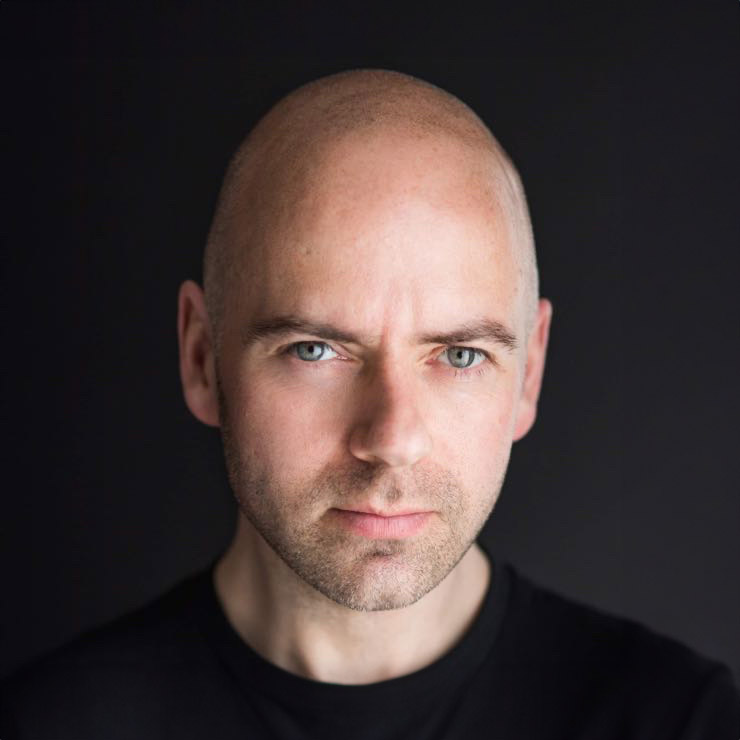
A poor headshot usually does not fail because of lighting alone. It fails because the person in it looks tense, uncertain or unlike themselves. That is why knowing how to choose a headshot photographer matters so much. You are not simply hiring someone with a camera. You are choosing the person responsible for helping you look credible, approachable and confident in a single frame.
If you are updating LinkedIn, refreshing your company profile, building a personal brand or submitting casting materials, the stakes are higher than most people expect. Your photo often speaks before you do. A strong headshot can make you look established, warm and professional. A weak one can make you look dated, awkward or forgettable.
How to choose a headshot photographer for your goals
The best photographer for an actor is not always the best one for a solicitor, consultant or business owner. Before comparing portfolios, get clear on what your images need to do.
Ask yourself where the photographs will be used, who needs to trust you when they see them and what impression you want to create. A corporate team headshot may need clean consistency across a company website. A personal trainer might want something polished but energetic. A journalist or creative professional may need more personality while still looking credible.
This matters because style follows purpose. If you choose a photographer whose work is beautiful but wrong for your audience, you can end up with images that look impressive yet do not help your career or business.
Look for headshot experience, not just photography skill
Plenty of photographers can produce attractive images. That does not automatically mean they are specialists in headshots.
Headshot photography is its own discipline. It requires a strong understanding of expression, posture, facial angles, wardrobe choices, background simplicity and subtle communication. It also requires the ability to work with people who are not models and who may feel visibly uncomfortable in front of the camera.
A wedding photographer, for example, may be excellent at capturing moments but less experienced at coaching a hesitant professional into a confident expression. A commercial photographer may create striking imagery but not offer the calm direction needed for someone who hates being photographed.
When reviewing options, look for evidence that headshots are a core service rather than an occasional add-on. A specialist is more likely to understand the small adjustments that make a big difference.
A strong portfolio should feel consistent
Do not just ask whether the photos look good. Ask whether the people in them look believable, relaxed and well-guided.
A good headshot portfolio should show consistency across different faces, ages, industries and confidence levels. If every image only works because the subject is naturally photogenic, that tells you very little. What you want to see is whether ordinary professionals are made to look polished and approachable.
Pay attention to expressions. Do people look stiff, overly serious or over-posed? Or do they look like the best version of themselves? That difference usually comes down to the photographer’s ability to coach, not just to shoot.
The experience matters as much as the final image
This is the part many people overlook when deciding how to choose a headshot photographer. The process matters. In fact, for camera-shy clients, it often matters more than the equipment.
Most professionals are not turning up to a session feeling natural and ready. They arrive wondering what to do with their hands, whether their smile looks forced and whether they have chosen the right clothes. A good photographer knows this and plans for it.
Look for signs of a guided experience. Do they explain how the session works? Do they help with expression and posing? Do they allow time to settle in rather than rushing through? Can you review images during the shoot so adjustments can be made in real time?
These details are not luxuries. They are often what turns an average session into one that actually produces usable photos.
If you feel nervous, choose someone who coaches
Many people think they need to become more photogenic before booking. The opposite is true. The right photographer should know how to bring out confidence even if you feel awkward at the start.
Look for language that suggests support, direction and reassurance. If a photographer simply says they will take great photos, that is not the same as saying they will guide you through the whole process. For professionals who do not enjoy being photographed, coaching is one of the most valuable parts of the service.
At Newcastle Headshots, this coached approach is often what helps clients relax enough to get natural, professional expressions instead of forced smiles. That principle applies wherever you book – the person behind the camera should know how to direct, reassure and adapt.
Read reviews for clues, not just star ratings
Reviews can tell you far more than whether someone was pleased. They can reveal what the session actually felt like.
Look for recurring themes. Do clients mention feeling comfortable, supported and well-directed? Do they say the photographer helped them choose images? Do they talk about professionalism, patience and ease? Those comments usually point to a reliable process, not just a lucky outcome.
Be cautious if reviews focus only on quick turnaround or price. Those things can matter, but they do not tell you whether the photographer can consistently help real people look their best.
Testimonials are especially useful when they come from people similar to you. If you are a business owner, a job seeker or part of a corporate team, notice what those clients valued most and whether it matches what you need.
Ask what is included before you book
Headshot pricing can vary widely, and cheaper is not always better value. The key question is not just what it costs. It is what you get.
Some photographers charge a low session fee and then a high amount per image. Others bundle everything together. Some rush clients through in ten minutes. Others allow proper time for outfit changes, image review and coaching. Neither model is automatically right or wrong, but you need to understand it before committing.
Ask how long the session lasts, how many looks are realistic, whether retouching is included and how you choose your final images. Find out whether you only pay for the images you actually want or whether you are locked into a package before you have seen the results.
This is where trade-offs matter. If you only need a basic internal staff photo, a simple package may be enough. If the images are central to your personal brand, job search or client-facing presence, the better investment is usually a more thoughtful, higher-touch experience.
Style should suit your brand, not the photographer’s ego
Every photographer has a style, but it should not overpower your purpose.
If the lighting is so dramatic that it distracts from your face, or the editing is so heavy that you no longer look like yourself, the image may not work where you need it most. For most professionals, the goal is not to look glamorous or artistic for the sake of it. It is to look polished, current and trustworthy.
That does not mean every headshot should be plain. It simply means the final image should support your professional identity. The best photographers know how to tailor the look to the person and platform, whether that means clean corporate simplicity or something with a little more personality.
Ask how they tailor sessions
A useful question is whether the photographer adapts the session to your industry, audience and intended use. If they treat every client exactly the same, the results may feel generic.
The right photographer should be able to explain how they would approach a company director differently from an actor, or a consultant differently from a fitness coach. That flexibility is a sign of experience.
Practical details still matter
Once you have narrowed down your options, the practical side can help you decide.
Check how easy it is to book, how clearly the service is explained and how professionally they communicate. If the process feels confusing before you have even booked, that can be a warning sign. Good service usually shows up early.
Location matters too, but convenience should not be the only deciding factor. A nearby photographer who produces average results may cost you more in the long run than travelling a bit further for someone who gets it right.
Turnaround time is worth checking, especially if you need images for a deadline, but do not let speed outweigh quality and guidance. A fast delivery is useful only if the photographs are ones you are proud to use.
The best choice is usually the photographer whose work you trust and whose process makes you feel looked after. When you find that combination, you are far more likely to end up with headshots that feel natural, professional and genuinely useful. And if you have been putting it off because you hate having your photo taken, that is exactly the point – a good photographer does not just take a better picture, they make the whole experience feel easier than you expected.


