

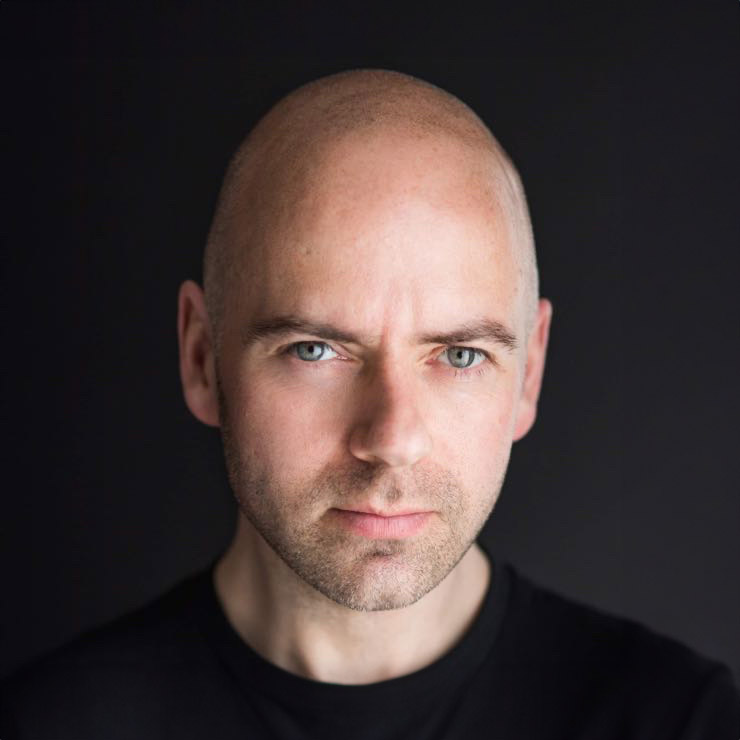
A headshot can quietly hold you back long before you notice it. If your LinkedIn photo still looks like a former job, a different haircut, or a version of you from several years ago, people will feel that mismatch straight away. That is why so many professionals ask: how often should headshots be updated?
The honest answer is not every year on the dot, and not only when you are job hunting. A strong headshot should still look like you on a very good day – polished, approachable, and current. For most professionals, updating every 1 to 2 years is a sensible benchmark. But there are times when you should refresh it sooner, and a few cases where it can comfortably last a little longer.
How often should headshots be updated for most people?
For the average professional, every 1 to 2 years is a good rule. That keeps your image aligned with how you look now and how you want to be perceived. In practical terms, that timing works well for LinkedIn, company profiles, speaking opportunities, press features, and personal branding.
A headshot is not just a record of your face. It is part of your professional positioning. If you work in a client-facing role, lead a business, apply for new roles, or market yourself online, your photo needs to support trust. When someone meets you after seeing your profile, they should recognise you immediately.
If your appearance has not changed much, you may feel tempted to stretch that timeline to three years or more. Sometimes that is fine. But style, grooming, lighting trends, and brand presentation all move on faster than people expect. A photo can start to feel dated even when your face has not changed dramatically.
The biggest signs it is time for a new headshot
Often, people do not need a calendar reminder. They need a little honesty.
If your current image no longer reflects how you look in real life, it is time. That could mean a different hairstyle, noticeable weight change, new glasses, a beard you did not have before, or simply a more mature version of you. None of these changes are a problem. The issue is when your online image creates a disconnect.
It is also worth updating if your career position has changed. Perhaps you have moved into leadership, launched your own business, changed industry, or started speaking more publicly. The headshot that worked when you were earlier in your career may no longer project the level of authority or approachability you need now.
A quality issue matters too. If your photo was cropped from a wedding, taken on a phone, heavily filtered, or shot against a cluttered background, it may be doing less for your credibility than you think. People are quick to judge visual signals, especially online. A professional image suggests care, confidence, and consistency.
When to update sooner than 1 to 2 years
Some professions need more frequent updates. If you are an actor, presenter, musician, estate agent, coach, fitness professional, or anyone whose face is closely tied to bookings or casting, every 6 to 12 months can be the better rhythm. In those fields, looking current is part of the job.
The same applies if you are active across several platforms and use your image as part of your marketing. A headshot might appear on your website, social channels, podcast artwork, event listings, and press features. The more visible you are, the more important it is that your photo feels fresh and consistent.
There is also a branding reason to update sooner. If your business has changed direction, your visual identity has become more refined, or your audience has shifted, your headshot should keep up. A more relaxed personal brand might need warmer expressions and softer styling. A more corporate role may need a cleaner, more formal look.
When you can wait a little longer
Not everyone needs a new photo every year. If you are in a stable role, your appearance has stayed broadly the same, and your current headshot is high quality, you may get three years from it.
The key word is may. The test is simple: does it still look like the person someone would meet today? Does it still fit the level and tone of your current work? If the answer is yes, you probably have some life left in it.
That said, there is a difference between getting away with an old headshot and benefiting from a current one. A newer image often brings subtle advantages – stronger confidence, better styling, cleaner retouching, and expressions that feel more natural and engaging.
Why outdated headshots can hurt your credibility
Most people will not consciously say, that photo is four years old. But they will sense when something feels off.
An outdated headshot can create friction in trust. Recruiters may wonder whether your profile is active. Potential clients may question how seriously you take your presentation. For teams, inconsistent or dated staff photos can make the whole business look less polished.
There is also a personal confidence factor. If you dislike your headshot or feel it no longer represents you, you are less likely to use it properly. People delay updating LinkedIn, avoid pitching themselves for opportunities, or hesitate to put their face on their website. A current image removes that resistance.
Headshots and career milestones
A useful way to think about timing is to connect your headshot to career moments rather than only to age.
If you are starting a new job search, seeking promotion, launching a consultancy, joining a new firm, building a speaking profile, or refreshing your website, that is a strong cue to update your image. The same goes for company rebrands and team growth. Fresh headshots can quickly lift the standard of your public-facing presence.
For business owners, this matters even more. People often decide whether you seem credible, approachable, and established within seconds of landing on your website or profile. Your photo is doing part of that work before they read a word.
What makes a headshot feel current?
It is not about chasing trends. A current headshot simply feels clean, natural, and aligned with your professional identity.
That usually comes down to expression, styling, and production quality. Natural coaching helps avoid stiff smiles and awkward poses. Clothing should reflect your industry and level, rather than trying too hard to be fashionable. Lighting and background should be simple and flattering, without distracting effects that date quickly.
This is one reason guided sessions tend to produce better long-term results. When you are coached well, the final image feels more like your best self and less like a strained photo moment. That gives the picture more staying power.
How to decide if yours needs replacing
Try a quick comparison. Open your current headshot, then look in a mirror or take a simple phone selfie in good daylight. Ask yourself whether your existing image still matches your face, style, and energy.
Then consider where the photo appears. If it is front and centre on LinkedIn, your company profile, speaking pages, or your website, the standard should be higher than if it only sits in a rarely used internal directory.
Finally, ask whether the image supports the impression you want to make. Professional is not the same as stiff. Approachable is not the same as casual. The right headshot sits in that balance and helps people feel confident about engaging with you.
A better question than how old is it?
Sometimes the real question is not how old is your headshot, but does it still work?
If it still looks like you, suits your current role, and presents you with confidence and credibility, you may not need to rush. But if there is any hesitation when you upload it, share it, or look at it, that usually tells you something.
At Newcastle Headshots, we often see people arrive feeling camera-shy but very clear on one thing: their old photo no longer represents who they are. Once that gap appears, replacing it is not vanity. It is good professional housekeeping.
A headshot should make introductions easier. If yours feels dated, uncertain, or out of step with where you are now, it may be time to give yourself an image that catches up with your career.


