

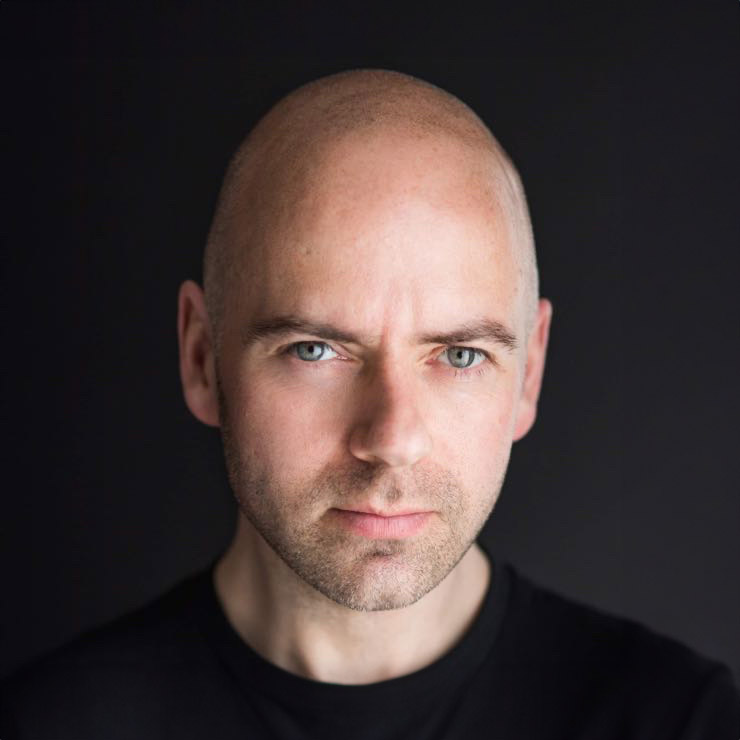
A strong first impression often happens before you ever speak to someone. It happens on LinkedIn, on your company profile, on a speaker bio, or on the About page of your business. That is exactly why a professional headshot session guide matters. The right session does more than give you a nice photo – it helps you look credible, approachable and like someone people want to work with.
For many people, the hard part is not wanting the photo. It is the thought of being in front of the camera. If that sounds familiar, you are not unusual and you are not bad at photos. Most professionals are not models. They simply need clear guidance, a calm process and a photographer who knows how to coach expression, posture and small adjustments that make a big difference.
What a professional headshot session is really for
A professional headshot is not just a record of what you look like on a good day. It is a business tool. Recruiters, clients, colleagues and casting professionals all make quick judgments from an image, whether they mean to or not. A polished headshot can suggest confidence, competence and warmth in a matter of seconds.
That does not mean every headshot should look the same. A solicitor, a startup founder, a journalist and an actor may all need very different results. One person may need a formal image for a company website, while another needs something more relaxed for personal branding. The session should be shaped around where the images will be used and how you want to be perceived.
This is where many people go wrong. They focus only on looking attractive, when the better question is whether the image feels right for the role you do. The most effective headshot is usually the one that looks believable, polished and aligned with your professional identity.
Before your professional headshot session
Preparation can make the session feel much easier, but it does not need to become a major project. Start with purpose. Ask yourself where the image will appear, who will see it and what impression you want to create. If you need one photo for a law firm website and another for social media or speaking engagements, say so early. A good session can often cover more than one look.
Clothing matters, but not in the way people sometimes think. The goal is not to wear your smartest or most expensive outfit if it does not feel like you. It is to choose clothing that supports your face rather than competes with it. Solid colours usually work well. Mid-tones and deeper shades often photograph better than very bright whites or loud patterns. Texture can be useful, but too much detail can pull attention away from your expression.
Fit is equally important. Jackets, shirts and tops should sit cleanly on the shoulders and chest. If something feels tight, bulky or awkward when you move, it will usually show in the photographs. Bring options if you are unsure. A coached studio session should allow time to compare outfits and see what works on camera.
Grooming should be kept simple and intentional. Fresh hair, tidy facial hair and clean, well-moisturised skin go a long way. If you wear make-up, aim for polished rather than heavy. You still want to look like yourself. Glasses can work very well, but if you normally wear them, it is sensible to bring them cleaned and also bring the option of shooting without them.
The night before, get decent rest if you can and avoid turning preparation into stress. You do not need to arrive transformed. You need to arrive ready to be guided.
What happens during the session
The best headshot sessions are structured enough to feel professional and relaxed enough to bring out natural expression. You should not be left wondering what to do with your hands, where to look or whether your smile looks odd. Direction is part of the service.
A good photographer will usually begin by talking through how the images will be used, checking outfit choices and setting the tone. That early conversation matters more than people realise. It helps the session feel collaborative rather than performative.
From there, the process is usually built around small refinements. Chin position, shoulder angle, posture, eyeline and expression all change the feel of an image. Tiny adjustments can shift a portrait from stiff and uncertain to open and confident. This is why headshots are much more than simply standing in front of a backdrop and smiling.
Expression coaching is especially valuable if you feel awkward on camera. Many people force a smile because they think that is what they are supposed to do. The result often looks tense. A better approach is to work through a range of expressions, from warm and approachable to focused and authoritative, depending on your role and audience. When the photographer gives clear feedback in real time, it becomes much easier to settle into something natural.
Image review during the session also helps. Seeing the photographs as you go can remove a lot of anxiety. You can correct details, adjust wardrobe, and refine the look before the session moves on. That saves guesswork and gives you confidence that the final images are heading in the right direction.
How to look natural in your headshots
Most people do not need to learn how to be photogenic. They need to stop trying so hard. Tension often shows up in the jaw, forehead, mouth and shoulders. If you are worried about looking awkward, you can end up creating the very stiffness you were trying to avoid.
The answer is not to fake confidence. It is to follow direction and let the session build momentum. Good coaching helps you reset your posture, breathe properly and soften your expression between frames. The strongest shots often happen once you stop monitoring yourself and start responding naturally.
It also helps to accept that not every frame will be a winner. That is normal. A professional session is a process of refinement. You do not need one lucky shot. You need a steady approach that produces several strong options.
If you are using the photos for a corporate role, your expression may need a little more polish and restraint. If you are building a personal brand, a more relaxed smile and conversational feel may be better. Neither is more correct. It depends on your audience and the message the image needs to send.
Common mistakes to avoid
The biggest mistake is leaving your headshot until you urgently need it. When you need a profile photo by tomorrow for a job application, speaking event or press feature, you are more likely to settle for something rushed. Planning ahead gives you better options and a better result.
Another common mistake is dressing for an imaginary version of yourself. If you never wear a tie, forcing one into the photo may make the image feel stiff. If your business is polished but approachable, your clothing and expression should reflect that balance.
People also underestimate the value of choosing carefully after the shoot. The image you prefer personally is not always the image that works hardest professionally. Sometimes the best headshot is the one that feels a little less familiar to you because it shows you at your most confident and composed.
Finally, do not assume a headshot session should feel rushed. If you are hurried through outfit changes, given little direction and expected to simply hope for the best, the result is often average. A no-rush session creates space for better decisions and better expressions.
Choosing the right result after the session
Once you review your images, come back to the original purpose. Which photo fits the platform? Which one looks approachable without losing authority? Which one feels current, polished and believable? These questions matter more than whether the image looks glamorous.
If you need multiple images, choose with variety in mind. One may suit LinkedIn, another your company website and another a press bio or personal brand page. You do not need completely different identities, but it helps to have options with slightly different energy.
This selective approach is one reason many clients prefer guided sessions where they only buy the final images they genuinely want. It keeps the focus on quality over volume and means you leave with photographs you can actually use.
At Newcastle Headshots, that guided, confidence-building process is a core part of the experience because the best headshots rarely happen by accident. They happen when preparation, coaching and clear purpose come together.
If you have been putting off your headshot because you hate having your picture taken, that is usually a sign you need more guidance, not that you should settle for an outdated photo. A good session should leave you looking like yourself on your best, most credible day – and feeling far more comfortable with the camera than you expected.


