

A LinkedIn headshot before after example is rarely about turning someone into a different person. The strongest transformation is more subtle: a capable professional goes from looking hesitant, poorly lit or disconnected to looking like someone you would be happy to meet, hire or trust with an important project.
That distinction matters. Your LinkedIn photo is often seen before your experience, recommendations or opening message. For job seekers, consultants, business owners and client-facing professionals, it helps set the tone before a conversation has even started. A good headshot should still look like you on a normal working day – just clearer, more confident and more intentional.
What a LinkedIn Headshot Before After Example Actually Shows
When people see a striking before-and-after headshot, they often assume the change comes down to an expensive camera or heavy retouching. In practice, the difference usually comes from several small decisions working together: purposeful lighting, a flattering camera angle, considered clothing, a calm background and, most importantly, a natural expression.
The “before” image might be a cropped wedding photo, a dim selfie, or a picture taken at an event where someone else is half visible at the edge. It may be technically acceptable, but it does not make a clear professional statement. The face can appear shadowed, the eyes may not connect with the viewer, and the setting can compete for attention.
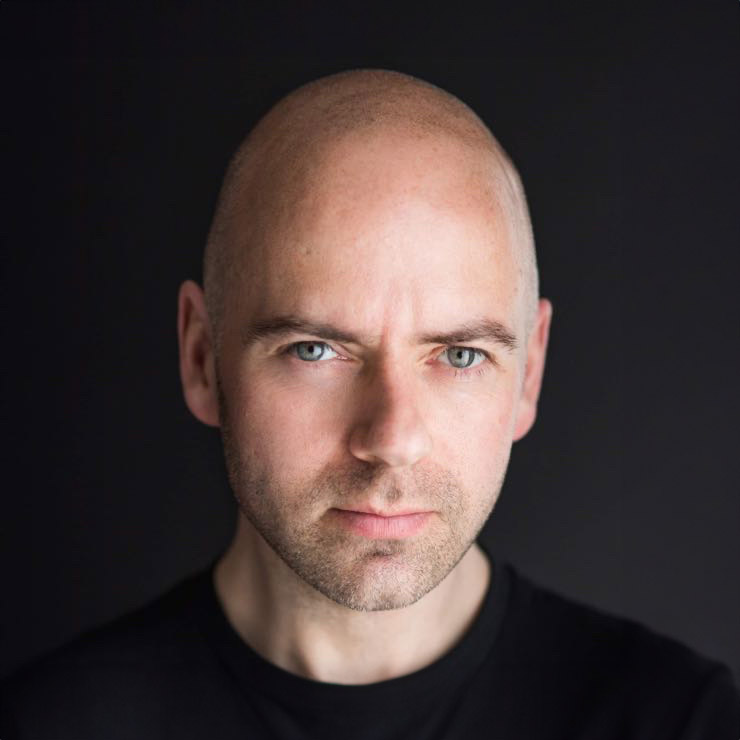
The “after” image is designed for the small circular space where LinkedIn photographs are usually viewed. Your face is well lit. Your eyes are visible. The crop is deliberate. Nothing in the frame distracts from the impression you want to make: approachable, credible and ready to do business.
The Real Difference Is Not Just Lighting
Lighting is a major factor, but it is not a magic trick. Soft, controlled studio light can reduce harsh shadows and bring attention to the eyes without making skin look artificial. It also gives the image a clean, consistent finish that works well beside a company biography or on a professional networking profile.
However, even excellent lighting cannot fix an uncomfortable expression. Many people arrive convinced they are not photogenic because they have only experienced quick snapshots, formal school photographs or colleagues pointing a phone at them during an event. They have not had someone guide them through where to stand, what to do with their shoulders, when to relax their jaw and how to find an expression that feels genuine.
That coaching is often the biggest change in a LinkedIn headshot before and after example. In the first photo, a person may be smiling because they feel they should. In the finished portrait, they look more at ease because the smile has developed naturally during a well-directed session. It is a small visual difference, but viewers read it quickly.
A Typical Before: Why Casual Photos Can Undersell You
A casual photo is not automatically a bad photo. It may capture a happy memory and show your personality beautifully. The issue is whether it supports the purpose of your LinkedIn profile.
Photos taken on holiday, at a party or in a restaurant can send mixed signals. A busy background, sunglasses, another person cropped from the frame, or uneven overhead lighting makes it harder for someone to focus on you. A selfie can also distort facial proportions slightly when the camera is held close, particularly around the nose and jawline.
An older corporate photo has different drawbacks. It may be sharp and professionally made, yet still feel out of date because your hairstyle, glasses, facial hair or personal style has changed. If someone meets you after seeing that image, they should recognise you immediately. If they do not, your profile has created unnecessary friction.
The aim is not to look overly formal or stiff. It is to give people an accurate, polished first impression that matches the standard of your work.
A Strong After: What Changes on Screen
A polished LinkedIn portrait usually has a simple background and a clear focal point: you. The photographer will consider the light direction, the shape of your face, your posture and how the image appears when reduced to thumbnail size.
A slight turn of the body can create a more relaxed, natural stance than facing the camera square-on. Bringing the face slightly forwards can define the jawline without looking forced. Small changes to chin height can prevent unflattering shadows. These are not poses you need to memorise. They are adjustments a skilled photographer can guide you through one at a time.
Clothing also makes a visible difference. Solid colours and subtle textures tend to work well because they keep attention on your face. You do not always need a suit, particularly if your role or industry is more creative, technical or informal. The better question is: what would a new client, hiring manager or collaborator expect you to wear when meeting them? Choose an outfit that feels like a refined version of that.
Retouching should be restrained. A professional image can soften a temporary blemish, reduce distracting shine and tidy minor details while preserving skin texture, lines and character. If the finished image looks like a different person, it may feel polished at first glance but it will not build trust for long.
Why Expression Coaching Matters More Than Being “Photogenic”
The phrase “I hate having my photo taken” is common, and it makes sense. Being asked to stand still while a camera points at your face can feel exposed. People often respond by tightening their shoulders, holding a fixed smile or trying to copy an expression they have seen online.
A coached session removes the need to perform. You should be given clear, simple direction and enough time to settle in. Rather than being told to “just relax”, you can be shown exactly where to look, how to position your body and when to make small adjustments. Reviewing images as you go also helps. You can see what is working, make choices with confidence and avoid leaving the studio wondering whether you got the right shot.
This process is particularly valuable if you want your portrait to balance warmth and authority. A solicitor, accountant or senior leader may want to look reassuring without seeming distant. A personal trainer, performer or creative professional may want more energy while remaining professional. There is no single correct LinkedIn expression. It depends on the people you need to connect with and the work you want to attract.
How to Create Your Own Meaningful Before and After
If you are comparing your current profile photo with a new headshot, look beyond whether you simply prefer one image. Ask what each picture communicates in the first few seconds.
Does the image make your face easy to see? Does it look current? Is your expression open and believable? Does the clothing support your professional identity? Most importantly, would you feel comfortable if a potential employer or client used that photograph to form their first impression of you?
Preparation can help, but it does not need to become stressful. Bring a couple of outfit options, ideally with different necklines or layers, so you can compare what photographs best. Get enough rest, arrive a little early and avoid trying a dramatic new haircut or skincare treatment the day before. If you wear glasses every day, wear them for the session. Your photograph should reflect the person people will meet.
At Newcastle Headshots, the focus is on giving you guidance throughout the process, not expecting you to arrive knowing your best angle. The most convincing results come when the portrait feels like an honest, confident version of you rather than a carefully constructed character.
When a Less Formal Headshot May Be the Better Choice
Not every professional needs the same visual style. A corporate team may need consistent portraits with matching backgrounds and crops for a company website. An entrepreneur may benefit from a more relaxed setting that reflects their personal brand. Actors and performers often need a different approach again, with more emphasis on personality, casting suitability and natural character.
The trade-off is clarity. A creative environmental portrait can be memorable, but a cluttered setting may not work as well in LinkedIn’s small profile circle. A formal studio portrait can look highly credible, but it may feel too reserved for a friendly, community-led business. The right choice is the one that fits your audience while keeping your face, expression and professional purpose clear.
Your profile photograph does not need to impress everyone. It needs to make the right people feel confident about taking the next step – reading your profile, accepting your connection request, booking a conversation or inviting you to interview. A thoughtful headshot gives that moment the attention it deserves.


