

You do not need to know lighting theory to choose between studio vs outdoor headshots. You only need to know how you want to come across when someone finds you on LinkedIn, your company website, a speaker profile or a casting page. That first impression happens quickly, and the setting behind your face changes the message more than most people expect.
This is where many people get stuck. They know they need a professional photo, but they are not sure whether a clean studio look will feel too formal, or whether an outdoor portrait will feel too casual. The right answer depends on your role, your audience and how much control you want over the final result.
Studio vs outdoor headshots: the real difference
The biggest difference is not simply background. It is consistency versus atmosphere.
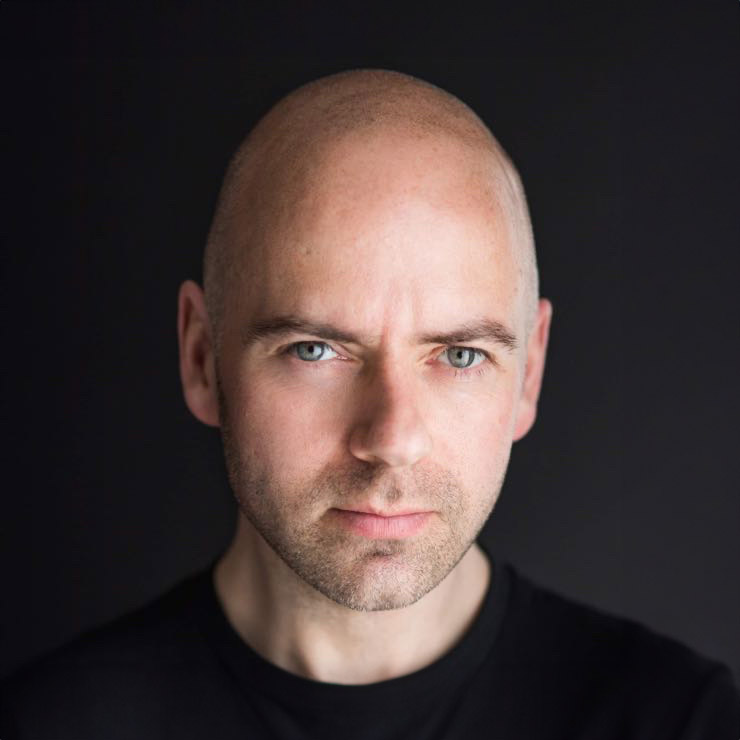
A studio headshot gives you a controlled environment. Lighting stays consistent, the background is intentional, and the focus remains on your expression. That control makes it easier to create a polished image that looks credible, modern and professional across business platforms. If you want people to notice your face, your eye contact and your approachability rather than the setting, the studio usually does that best.
Outdoor headshots bring in more context and personality. Natural light can feel relaxed and flattering, and certain locations can add warmth or energy. For someone building a personal brand, that can work well. But outdoor portraits are less predictable. Light changes quickly, weather interferes, and backgrounds can date faster or compete for attention.
Neither option is automatically better. What matters is whether the image supports the impression you need to make.
When studio headshots are the stronger choice
For most professionals, studio headshots are the safest and strongest option. That is especially true if your image will be used across several platforms and needs to work hard in different formats.
A studio portrait tends to look more refined because every part of the frame is deliberate. Lighting is shaped to flatter your face, reduce distractions and create a clean, confident result. That matters if you are in finance, law, consultancy, healthcare, recruitment, corporate leadership or any role where trust and credibility sit near the top of the list.
Studio sessions also suit people who feel awkward in front of the camera. That may sound surprising, but a controlled space often helps. There are fewer distractions, fewer people watching, and no need to worry about wind, bright sun or passers-by. With clear direction and expression coaching, most people settle much faster in a studio than they expect.
There is also a practical advantage. If a company needs multiple team members photographed over time, studio headshots make brand consistency far easier. Matching lighting, crop and background across months or even years is much more achievable indoors than outside.
For performers and creatives, studio headshots can still be the right choice too. If the brief calls for versatility, a simple background keeps attention on your features and expression. Casting teams and clients often want to see you clearly rather than a location doing part of the storytelling for you.
When outdoor headshots make sense
Outdoor headshots can be excellent when personality and environment are part of the message. They often suit business owners, creatives, coaches, authors, fitness professionals and people whose brand is intentionally more relaxed, social or lifestyle-led.
A well-chosen outdoor setting can make you appear open, energetic and natural. If you work in a field where connection matters more than formality, that may be useful. A personal trainer in a city setting, a journalist wanting a more editorial feel, or an entrepreneur building a visible online brand may benefit from that extra sense of context.
Outdoor portraits can also soften the look of a headshot. Trees, architecture or a softly blurred urban background can make the image feel less corporate. For some people, that is exactly the point.
The trade-off is control. Outdoor light can be beautiful one minute and harsh the next. Wind affects hair and clothing. Squinting becomes an issue. Busy backgrounds can pull attention away from your face. Even when the result looks effortless, getting there often involves more variables.
What your industry and audience expect
One of the easiest ways to decide on studio vs outdoor headshots is to ask a simple question: what would feel reassuring to the people you want to attract?
If your audience expects authority, discretion and professionalism, a studio image usually feels right. It says you take your role seriously and present yourself with care. This does not mean stiff or severe. A good studio headshot should still feel warm and approachable. It simply removes visual noise.
If your audience buys into personality, visibility and relatability, outdoor may fit better. It can signal energy and ease, particularly for client-facing brands built around trust and personal connection.
There is also a middle ground. Some people need a primary headshot for formal use and a secondary image with more character for social media, speaking events or marketing. If you use your image in different ways, it is worth thinking beyond a single photo.
Which option is more flattering?
This is usually the question underneath every other question.
In most cases, studio headshots are more reliably flattering because the photographer controls the light fully. That means they can shape your face, manage shine, balance skin tones and keep the focus exactly where it should be. It is not about heavy retouching. It is about getting things right in camera.
Outdoor light can look lovely, especially in softer conditions, but it can also be inconsistent. Bright overhead sun can create shadows under the eyes. Patchy light can leave distracting highlights on the skin. If you are already nervous about being photographed, those extra variables rarely help.
A flattering headshot is not just about your features. It is also about expression, posture and confidence. This is where guided photography matters more than location. Someone who helps you relax, adjusts your angles and coaches natural expressions will usually produce a better image than any setting alone.
Practical things people often overlook
Choosing between studio and outdoor is not only a style decision. It affects the whole session.
With a studio session, timing is simpler. Weather is irrelevant, lighting stays steady, and outfit changes are easier to manage. Image review during the shoot is also more straightforward because the setup remains consistent. If you are busy, want efficiency, or simply prefer less unpredictability, that matters.
Outdoor shoots demand a bit more flexibility. The best light may only last for a short window. Rain can interrupt plans. Certain locations may need permits, privacy can be limited, and background clutter is not always obvious until you see the images. Some people enjoy that looser feel. Others find it stressful.
It is also worth thinking about longevity. A plain, clean studio background generally ages well. An outdoor location can look current and stylish now, but if trends change or the setting ties your image to a particular period, it may date faster.
How to choose the right headshot for you
If you are updating a LinkedIn profile, company bio or executive page, choose the option that makes your face the clear priority. For most people, that means studio.
If you are building a personal brand where tone, lifestyle and individuality are central, outdoor may be worth considering. Just be honest about whether the setting adds meaning or simply adds clutter.
If you are unsure, think about these three points. First, where will the image be used most? Second, what do you need people to feel when they see it? Third, do you want a highly controlled result or a more organic look?
For many clients, the answer becomes obvious once they stop thinking about what looks trendy and start thinking about what will actually support their goals.
At Newcastle Headshots, we often find that people who arrive convinced they need something casual actually want something confident, polished and easy to use everywhere. That does not always mean formal. It means intentional.
The best headshot is the one that feels like you on a very good day – relaxed, credible and clear about who you are. If your photo can do that, the background has done its job.


