

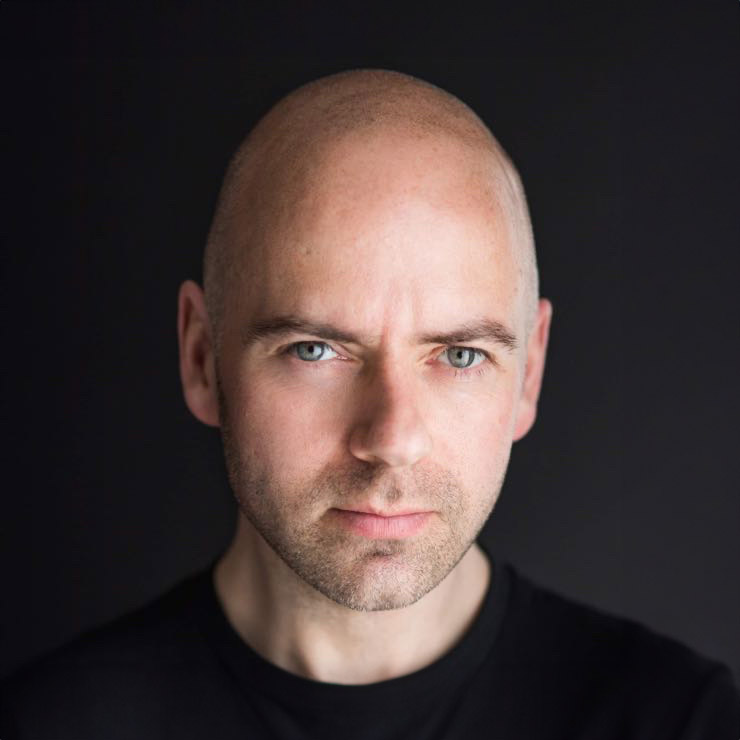
Most people do not arrive for a headshot feeling completely relaxed. They arrive after putting it off for months, perhaps with an old LinkedIn photo they no longer recognise or a cropped holiday picture that does not reflect their role. A guided headshot session experience is designed for exactly that moment: when you need to look polished and credible, but the idea of standing in front of a camera feels uncomfortable.
The difference is not simply better lighting or a sharper lens. It is having someone lead the process, explain what is happening and help you make small adjustments that create a natural, confident expression. You do not need to know your best angle, how to pose or what to do with your hands. That is the photographer’s job.
What makes a guided headshot session different?
A headshot can be taken quickly. A guided session is more considered. Rather than being placed in front of a backdrop, asked to smile and sent on your way, you are coached through the details that affect how you come across in an image: posture, chin position, eye line, shoulders and expression.
This matters because a professional headshot has to do more than show what you look like. It needs to communicate something before you have spoken to a recruiter, client, colleague or casting director. Depending on your goals, that might be calm authority, warmth, creativity, energy or trustworthiness.
The best approach is never to force a generic look. A solicitor may want an image that feels composed and reassuring, while a personal trainer might need more movement and vitality. An actor may need a clean, truthful portrait that leaves room for casting teams to see their character. The guidance should adapt to the person and the purpose of the photograph.
Before your guided headshot session experience
Good preparation reduces stress, but it does not need to become complicated. Choose clothing that feels like a more polished version of what you would normally wear when meeting an important client or attending an interview. If you never wear a suit, buying one purely for your headshot can make you look uncomfortable. If smart tailoring is part of your everyday professional image, however, it may be the right choice.
Solid colours are often reliable because they keep attention on your face. Mid-tones and deeper shades usually photograph well, while very bright white, busy patterns and large logos can distract. Bring a couple of options if you are unsure. A guided session gives you the opportunity to compare what works best on camera rather than guessing at home.
It also helps to think about where the photographs will be used. A LinkedIn profile, company website and speaker biography may need a consistent, professional image. A business owner may benefit from a slightly broader selection for social media, press features and personal branding. Tell the photographer what the images need to do, not just that you need a headshot. That context shapes the styling, crop and overall feel.
Avoid treating the session like an exam you have to pass. You do not need to practise smiles in the mirror or memorise poses. Arrive rested where possible, allow enough time so you are not rushing from another appointment, and let the coaching do the work.
How the session builds confidence on camera
The first few minutes are usually about settling in. A good photographer will talk you through the plan, make simple adjustments to lighting and help you get comfortable in position. This is particularly valuable if you have not been professionally photographed before, or if a previous experience left you feeling self-conscious.
Then the coaching begins in small, manageable steps. You may be asked to sit or stand a little taller, turn your shoulders slightly, bring your chin forwards by a fraction or soften your expression. These directions can sound precise, but that precision is what prevents the familiar problems of a stiff smile, a tense jaw or a portrait that feels unlike you.
Expression coaching is often the part clients value most. A camera sees tiny changes that are easy to miss in the moment. The difference between a polite smile and a genuinely approachable expression can be a relaxed mouth, engaged eyes and a brief moment of conversation that takes your attention away from the lens. You are not expected to hold one smile for twenty minutes. The photographer will keep the interaction moving so the images have variety and life.
There is a balance to strike. Too much direction can make someone feel over-managed, while too little leaves them wondering whether they are doing it correctly. The right level of guidance is clear and calm: enough to give you confidence, while leaving room for your natural personality to come through.
Seeing the images as you go
Reviewing photographs during the shoot is one of the most useful parts of a guided process. It gives you a realistic view of what is working, instead of waiting until afterwards and hoping for the best. You can see how an adjustment in posture changes the image, compare expressions and identify the version that feels most like you at your best.
This is not about scrutinising every perceived flaw. Most people are far more critical of their own appearance than anyone viewing their profile will be. The purpose is to give you reassurance and a degree of control. If you prefer a more relaxed smile, a stronger expression or a different clothing option, you can explore it while there is time.
Why a no-rush approach matters
A rushed headshot appointment can be difficult for camera-shy people. When there are only a few minutes available, it is tempting to settle for the first acceptable frame. But the strongest photographs often appear after you have had time to relax, understand the direction and stop thinking so hard about the camera.
That does not mean every session needs to be long. Some people settle quickly and know exactly what they need. Others benefit from a little more conversation and experimentation. A quality experience makes space for both, rather than applying the same formula to everyone.
The image selection process should feel equally straightforward. Seeing a range of well-directed photographs makes it easier to choose the images that represent you properly. A selective purchasing model also removes the pressure to commit before you know what you are getting. You should only buy the final images you genuinely want to use.
The result is more than a flattering photo
A flattering headshot is welcome, but its real value is practical. It helps a potential employer see someone prepared for the role. It makes a consultant or business owner look established before the first enquiry. It gives a company team a consistent visual standard and helps creative professionals present themselves clearly to the people making decisions.
The goal is not to look overly posed, dramatically retouched or like somebody else. It is to look like yourself on a good day: professional, approachable and ready to be trusted. For many clients, that is a bigger shift than they expect. They book because they need an updated image, then leave feeling more comfortable being visible in their work.
At Newcastle Headshots, the session is built around that feeling. You receive practical direction, time to settle into the process and the chance to review images as they are created. The camera is only one part of the service. The other part is helping you see that you can look confident in front of it.
If your current profile photo no longer reflects where you are in your career, do not wait until the next job application, website launch or speaking opportunity forces the issue. A guided session gives you the support to create an image you will be happy to put forward – and confidence that tends to carry beyond the photograph itself.


