

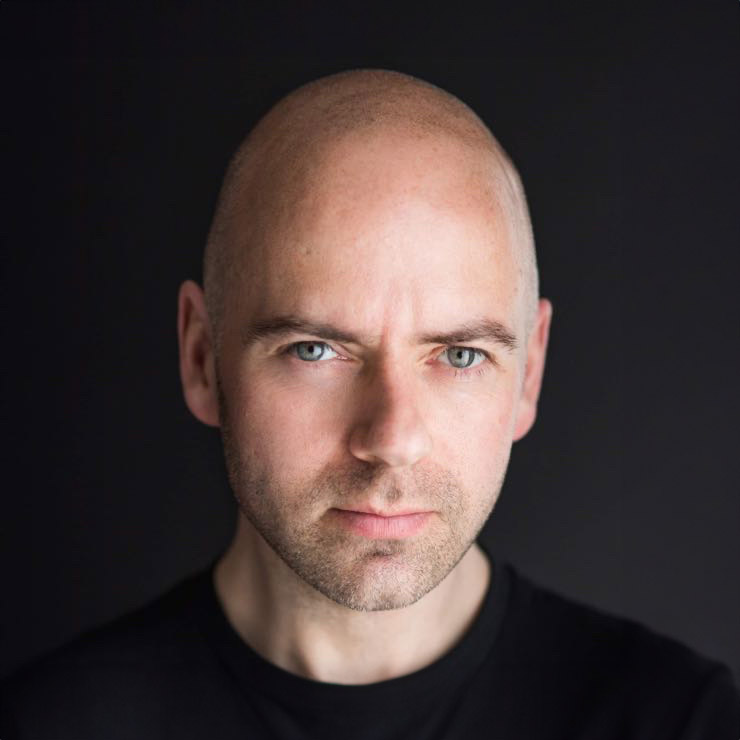
Most people step in front of the camera and immediately ask the same thing: “What do I do with my face?” That is completely normal. If you are wondering how to pose for headshots, the good news is that strong posing is not about being naturally photogenic. It is about a few small adjustments that help you look more confident, approachable and like yourself on your best day.
A good headshot should never feel stiff, overly posed or disconnected from who you are. Whether you need a new LinkedIn photo, a company profile image or personal branding portraits for your business, the aim is the same. You want to look credible, relaxed and easy to trust. That comes from posture, angle, expression and guidance – not guesswork.
How to pose for headshots without looking awkward
The biggest mistake people make is trying too hard to “pose”. Headshots are not fashion editorials. In most professional portraits, the strongest result comes from subtle positioning that looks effortless on camera.
Start with your posture. Stand or sit tall, but do not force your shoulders back so much that you look tense. Think lifted rather than rigid. A lengthened spine helps your jawline, improves your overall presence and gives the portrait more energy. Slouching tends to make the face look heavier and the expression less engaged.
Your body should usually sit at a slight angle rather than square-on to the camera. Turning a little through the shoulders creates shape and looks more natural. Then bring your face back towards the lens. This small adjustment helps the image feel polished without making it obvious that you are posing.
Hands are often outside the frame in a classic headshot, so you do not need to worry too much about them. That said, tension travels. If your arms, jaw or fingers are tight, it often shows in the face. Loosen your shoulders, exhale and let the pose settle before the photo is taken.
The head position that flatters most people
If there is one change that improves headshots quickly, it is the position of the head and chin. Many people instinctively pull their chin back when they feel self-conscious. On camera, that shortens the neck and softens the jawline.
A better approach is to bring your forehead slightly forwards and then lower the chin just a touch. It is a small movement, not an exaggerated lean. Done properly, it defines the jaw, keeps the eyes connected and gives a more intentional look. It can feel unusual in the moment, but it nearly always photographs better than pulling backwards.
Your photographer may also guide you to tilt your head slightly. For some people, a very slight tilt feels approachable and open. For others, especially in a more corporate or leadership-focused portrait, a straighter head position can look stronger. This is where headshots are never one-size-fits-all. The right pose depends on your face shape, your role and the impression you want to give.
What to do with your eyes and expression
A professional headshot lives or dies by the expression. You can have perfect lighting and great posture, but if the face looks flat, unsure or strained, the image will not do its job.
The aim is not to plaster on a big smile for every frame. In fact, that often looks forced. A better expression usually sits somewhere between relaxed and engaged. Think about looking present rather than performing. Gentle energy in the eyes makes a huge difference.
Before the shutter clicks, breathe out. Let your face soften. Then think of a real person rather than the camera lens – a colleague you like, a client you enjoy working with, or someone you are pleased to see. This often creates a more genuine expression than simply being told to smile.
For some professions, a warm smile is exactly right. For others, a softer closed-mouth expression may feel more credible. Neither is automatically better. A recruiter, consultant or therapist may benefit from looking approachable and calm. An actor or creative may want a little more intensity or edge. The point is to match the expression to the purpose of the image.
How to pose for headshots for different goals
Not every headshot should say the same thing. A good pose supports the message behind the image.
For corporate and LinkedIn headshots, the sweet spot is usually confident, open and professional. Clean posture, direct eye contact and a natural smile tend to work well. You want to appear competent, but still human.
For entrepreneurs and personal brands, you often have a little more flexibility. You may want a headshot that feels polished but also full of personality. A slightly looser pose, different crops or more expressive facial variations can help if your brand is more energetic or creative.
For performers, the decision is more nuanced. A commercial actor’s headshot might need warmth and relatability, while a dramatic actor may need something more grounded and direct. In these cases, posing is less about looking generically attractive and more about looking believable, castable and present.
This is why coached sessions matter. The right pose is not just about flattering angles. It is about aligning the image with how you want to be perceived.
Small adjustments that make a big difference
Headshot posing is often won in the tiny details. A slight shift of weight can relax the whole body. Dropping one shoulder a fraction can stop the pose looking too formal. Leaning very slightly towards the camera can create engagement, while leaning away can make you seem hesitant or disconnected.
Your mouth matters too. A clenched jaw or pressed lips can make you appear tense. Let your lips part very slightly if that helps the face relax. If smiling, avoid holding the expression too long. Real smiles tend to fade quickly and become fixed if you force them.
Blinking between frames can also help. People often stare too hard at the lens, which creates a wide-eyed look. Resetting your expression, blinking and then reconnecting gives a fresher result.
These are not dramatic tricks. They are small, controlled changes that help you look comfortable and believable.
What not to do in a headshot session
If you feel nervous, you may overcompensate. That usually shows up in a few predictable ways.
One is over-smiling. Another is lifting the eyebrows too much, which can make the expression look anxious rather than friendly. People also tend to tense the neck, raise the shoulders or freeze completely once the camera comes up.
The fix is not to try harder. It is to slow down. A strong headshot session should never feel rushed. You should be able to review, adjust and refine as you go. At Newcastle Headshots, that guided process is a big part of why clients who claim they are “terrible in photos” often end up with images they genuinely like.
Another common mistake is copying poses seen online without considering whether they suit the purpose of the portrait. A dramatic angle may work for one person’s branding but feel out of place for a solicitor, recruiter or company director. Good posing always depends on context.
The best pose is the one that feels like you
There is no single perfect headshot pose for everyone. Face shape, posture, confidence level, clothing and intended use all play a part. What works brilliantly for a business owner building a personal brand may not be right for a barrister, singer or team leader.
That is why the most effective headshots come from adjustment, feedback and coaching rather than being left to figure it out alone. You do not need modelling experience. You just need clear direction and enough space to relax into it.
If you are preparing for a session, focus less on memorising poses and more on showing up ready to be guided. Stand tall, keep movement subtle, think about the impression you want to give and let the expression come from a real place. When the pose supports who you are, the camera sees it.
A good headshot should not make you look like somebody else. It should help people recognise the best, most confident version of the person they are about to meet.


