

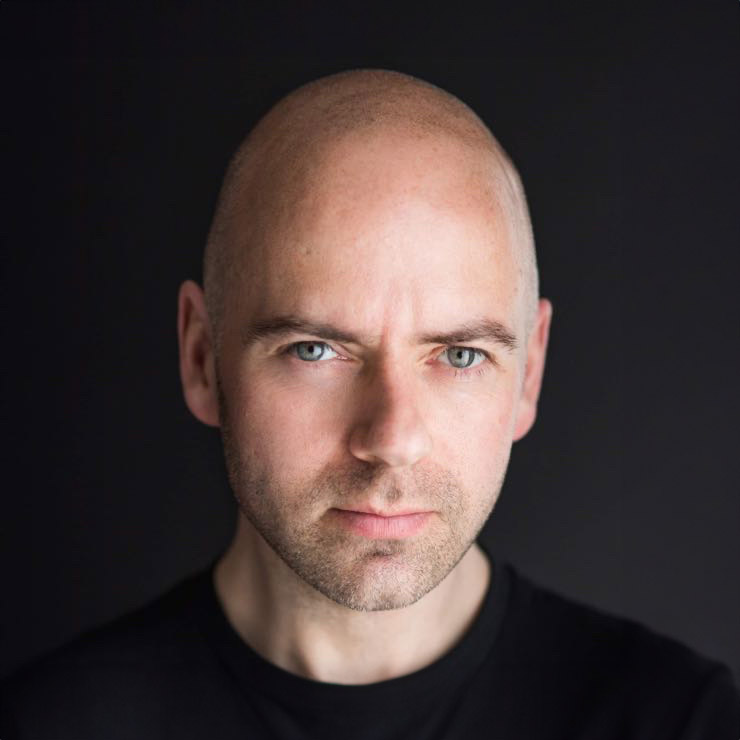
You usually know when your current photo is holding you back. It might be an old LinkedIn image cropped from a wedding, a staff profile that no longer looks like you, or a portrait that feels stiff when you want to come across as capable and approachable. A good business portrait session guide should do one thing first – make the process feel clear, manageable and far less intimidating.
For most people, the worry is not whether professional portraits matter. It is whether they will feel awkward, look too posed, or spend money on images they never actually use. That is exactly why preparation matters. When you know what the session is for, what to wear, and what will happen on the day, you are far more likely to enjoy the experience and leave with images that genuinely work for your career.
Why a business portrait session matters
Your portrait is often your first introduction before you ever speak to a client, recruiter, colleague or casting director. People make quick judgements from a photo, and those judgements are usually about trust, competence and approachability. A strong image helps you look current, professional and like someone people would be comfortable contacting.
That does not mean every portrait should look overly polished or corporate. It depends on your role and where the image will be used. A solicitor may need something more formal than a personal trainer. A company director may want authority, while a coach or creative may benefit from looking a little more relaxed and personable. The right portrait is not the same for everyone, but it should always look intentional.
Start with the use, not the outfit
Before you think about jackets, shirts or backgrounds, decide what the portrait needs to do. This is the part many people skip, yet it shapes everything else.
If the image is mainly for LinkedIn, your focus is usually credibility and professionalism. If it is for your website, you may need a friendlier, more brand-led look. If you are updating team profiles, consistency across the set matters just as much as how each person looks individually. For performers and creatives, the portrait may need a little more personality while still feeling polished.
When the purpose is clear, styling and expression become much easier to judge. You stop asking, “Do I look good?” and start asking, “Does this image send the right message?” That is a far more useful test.
What to wear for a business portrait session
Clothing should support your face, not compete with it. In most business portraits, the expression and eye contact do the heavy lifting, so simple choices nearly always work better than loud ones.
Plain colours tend to photograph best. Mid-tones and richer shades often flatter more than stark white or very bright colours, though that depends on your skin tone and the style of portrait you want. Heavy patterns, large logos and fussy details can distract quickly, especially in tighter head-and-shoulders crops.
Fit matters more than brand. A well-fitted jacket, blouse, knit or shirt will usually look more polished on camera than something expensive that sits badly. Bring options if you can. A slightly more formal look and a slightly more relaxed one can give you flexibility, particularly if the portraits will be used in different places.
It is also worth dressing one step above your everyday standard. Not to look unlike yourself, but to look like your best working self. If you never wear a suit, forcing one for the session may make you feel uncomfortable, and that often shows. But if your normal workwear is very casual, a sharper version of it can lift the final result without feeling false.
Grooming, hair and makeup
The goal is not to look heavily done. It is to look fresh, tidy and like yourself on a very good day.
Hair is best cut or coloured a few days before the session rather than on the same day, which gives it time to settle naturally. If you wear makeup, keep it controlled and camera-friendly. A matte finish is often useful because studio lights can pick up shine. If you do not normally wear much makeup, there is no need to suddenly do more than feels comfortable.
For men, a fresh shave or tidy beard line makes a difference. Dry lips, stray hairs and creased collars are small details that become surprisingly obvious in a professional portrait. None of this needs to become fussy, but a little care here saves frustration later.
What happens during the session
A well-run session should not feel rushed. That is especially important if you are not naturally comfortable in front of the camera.
Most people do not need to know how to pose before they arrive. They need direction, reassurance and someone who can spot the small changes that improve an image – chin position, shoulders, posture, where to place the hands, and how to soften an expression without losing confidence. Good portraits rarely happen because the subject is naturally photogenic. They happen because the session is guided properly.
This is where coaching makes such a difference. Expression is usually the hardest part to get right alone. Many people either over-smile and look strained, or try to look serious and end up looking tense. A skilled photographer will help you find the middle ground that looks engaged, calm and believable.
Reviewing images during the shoot can also be very helpful. It gives you the chance to adjust as you go rather than hoping for the best and seeing everything at the end. For nervous clients in particular, that often builds confidence quickly because they can see that the process is working.
The best expressions for business portraits
The most effective expression is usually not a full grin and not a blank face. It is something more measured – confident, open and relaxed.
Think about how you want people to feel when they land on your profile. If you work in finance or law, you may want to appear steady and credible. If you work in sales, coaching or a client-facing service, warmth may matter more. If you are an actor or creative, versatility might be useful, so a couple of different expressions can be worth capturing.
This is one of those areas where it depends. There is no single “professional look” that suits everyone. The best portrait is one that matches your role, personality and audience without feeling forced.
Background, lighting and style choices
Clean, simple backgrounds tend to age better than gimmicky setups. They keep the attention where it belongs – on you. That said, plain does not have to mean dull. Lighting, crop, clothing and expression create plenty of variation even within a minimal studio setup.
Environmental portraits can work well too, especially for personal branding, but only when the setting adds something useful. A busy background that says nothing about your work can weaken the image. A controlled studio portrait is often the safer choice for versatility because it can be used across LinkedIn, websites, speaker bios and company profiles without looking out of place.
Consistency is especially important for teams. If everyone is photographed in a different style, the business can look disjointed. For company portraits, a unified approach usually feels more established and professional.
How to prepare on the day
Give yourself enough time to arrive settled rather than flustered. Rushing in from traffic, checking emails at the last minute, or getting changed in a panic is not the best start. A few quiet minutes before the session can make a real difference to how you feel.
Bring your clothing options on hangers if possible, and check them for creases. Drink water, but go easy on anything that leaves you bloated or jittery. If you wear glasses all the time, bring them, but be aware that glare can sometimes be an issue depending on the lenses and lighting. It is worth discussing whether you want images with and without them.
Most of all, do not put pressure on yourself to “be photogenic”. That is not your job. Your job is to show up ready to be guided.
Choosing the right final images
A useful business portrait is not always the one where you think you look the slimmest or most glamorous. It is the one that communicates well.
When reviewing your images, ask whether the portrait looks current, whether it suits your industry, and whether you would trust the person in the photograph. That last question is surprisingly effective. You are not just selecting a flattering picture. You are choosing a professional tool.
It can help to think about where each image will live. A tightly cropped headshot might be ideal for LinkedIn, while a wider portrait may work better on a website homepage or speaker profile. If you have a few uses in mind from the start, your selection becomes easier and more strategic.
A business portrait session guide should leave you feeling ready
The best portraits do not come from trying to perform for the camera. They come from good preparation, clear direction and a session that helps you relax into the process. If you have been putting it off because you dislike being photographed, that is understandable. Most clients feel that way at first.
What usually changes everything is realising you do not have to figure it out alone. With the right guidance, a business portrait session can feel straightforward, even enjoyable, and the images can keep working for you long after the day itself is over. If your current photo no longer matches the professional you are now, that is reason enough to give yourself a better one.


