

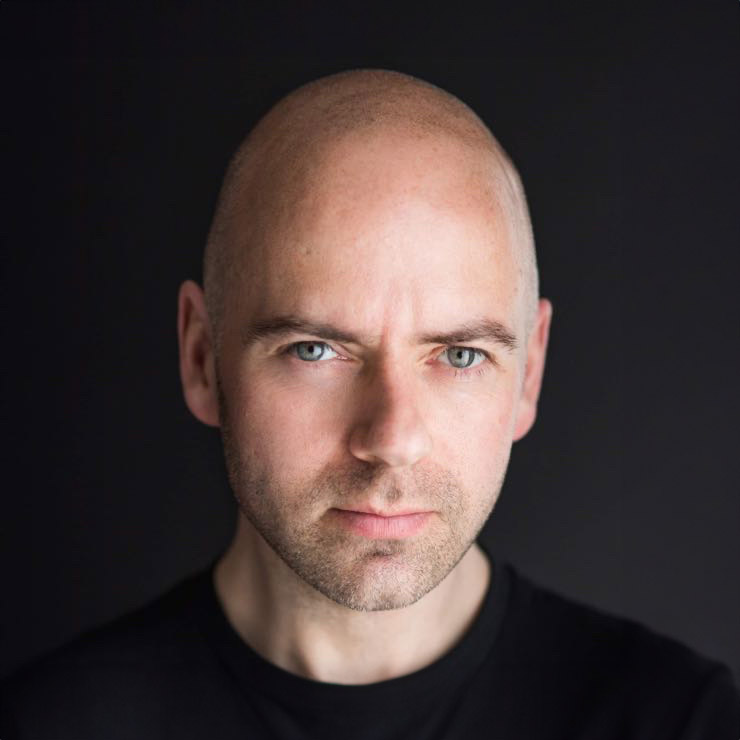
A strong profile photo can quietly do a lot of work before you ever speak to someone. If you are wondering how to use headshots online, the answer is not simply to upload the same image everywhere and hope for the best. The best results come from using your headshot with purpose, matching it to the platform, your role and the impression you want to make.
For most professionals, your headshot is part of your first impression. Recruiters see it before they read your CV. Clients notice it before they enquire. Colleagues, journalists, casting teams and event organisers often use it to form a quick judgement about who you are and whether you seem credible, approachable and current. That may feel unfair, but it is real. A good headshot helps you start from a stronger position.
Why headshots matter online
Online, people are filling in gaps. They cannot shake your hand, hear your tone of voice straight away or get a sense of your energy in the room. Your photo helps bridge that distance. It gives your name a face and your profile some reassurance.
That matters on LinkedIn, of course, but it also matters on company team pages, speaker bios, press features, directories, proposal documents and social media. A polished headshot suggests that you take your work seriously. A warm expression suggests that you are someone people can trust and talk to. Those two things together, professionalism and approachability, are usually what make a headshot effective.
There is also a practical point. People remember faces more easily than names. If someone has seen your photo on LinkedIn, then spots the same image on your website or in an event programme, you become more recognisable. Consistency builds familiarity, and familiarity helps people feel more confident about contacting you.
How to use headshots online for different platforms
The main mistake people make is treating every platform as identical. They are not. A headshot that works beautifully on LinkedIn may need a different crop for a company profile, a softer expression for a personal website or a more character-led image for a performer bio.
LinkedIn is usually the first place to get right. Your headshot here should look current, clear and professional without feeling stiff. A tight crop often works well because much of the image will appear quite small on mobile. Your face needs to be easy to read at a glance.
This is not the place for a heavily filtered image, a holiday snap or a group photo cropped down awkwardly. It is also not always the place for a very serious expression. In many industries, a friendly, confident look performs better because people want to connect with someone who seems both capable and approachable.
Company websites
On a company team page, consistency matters as much as individual quality. If one person has a polished studio headshot and another has a dimly lit selfie, the whole page feels uneven. For teams, using a set of images with similar lighting, framing and background creates a more trustworthy impression.
For individuals, think about what your role requires. A solicitor, consultant or financial adviser may want a smart, steady image that communicates competence. A coach, designer or personal trainer may benefit from a touch more energy and personality. The right headshot is not one-size-fits-all. It should support the kind of work you do.
Personal websites and business branding
If you run your own business, your headshot often stands in for your brand. People want to know who they are hiring, especially in service-based businesses. A professional headshot can make your website feel more established and more human.
Here, it can help to use more than one image. You might use a traditional head-and-shoulders portrait on your About page, then a wider crop on your home page or contact page. The key is keeping the look and feel consistent, even if the framing changes.
Social media and bios
Instagram, X, Facebook and other platforms vary, but the same rule applies: be recognisable. If your profile photo changes too much from one platform to the next, people may not immediately connect the accounts. That does not mean every image must be identical. It means they should feel like the same person, brand and level of professionalism.
For speaker bios, press submissions and podcast appearances, keep a high-resolution version ready to send. Event organisers and editors often need an image quickly. Having one prepared saves stress and helps ensure you are represented well.
Choose the right image, not just the nicest one
A common trap is choosing the photo you like personally rather than the one that works hardest for your goals. They are not always the same thing.
The best image is usually the one where you look like yourself on a very good day. It should feel natural, current and aligned with your role. If you meet someone after they have seen your headshot, they should recognise you straight away. If the photo is too old, too heavily edited or too stylised, that trust can drop quickly.
Expression matters more than many people realise. A forced smile can look uncomfortable. A very stern look can feel distant. Small differences in posture, eye contact and facial expression can completely change how you come across. This is where guided photography makes a real difference. Most people are not naturally relaxed in front of a camera, so choosing from well-coached images gives you a much better chance of finding one that feels both confident and genuine.
Keep your headshot consistent, but not rigid
Consistency online does not mean repetition without thought. It means creating a recognisable personal brand.
You may have one main headshot and a couple of supporting images depending on where they are used. That is often more practical than forcing a single file to work everywhere. A square crop may suit LinkedIn, while a vertical version may work better for a speaker profile or company page. The clothing, lighting and expression can stay consistent even when the composition shifts.
It is also worth checking the background. A very dark background can look striking on one site and muddy on another. A lighter, cleaner background may be more flexible across platforms. It depends on your brand, your industry and where the image will appear.
Update your image before it becomes a problem
Many people wait far too long to replace their headshot. If your appearance has changed noticeably, your role has shifted or your current image feels dated, it is probably time.
You do not need a new photo every few months, but you do want one that reflects where you are now. An old headshot can quietly signal that your online presence is neglected. For job seekers and business owners especially, that can undermine confidence before a conversation even starts.
As a rough guide, every couple of years is sensible for many professionals, sooner if your branding changes or your old image no longer feels accurate.
Common mistakes when using headshots online
The biggest mistake is poor fit. People use an image that is cropped badly, too casual for the setting or too formal for the audience they want to attract. Another issue is inconsistency, where one platform shows a polished portrait and another still shows a grainy photo taken at a wedding ten years ago.
Over-editing is another problem. Skin should still look like skin. Teeth should still look natural. The aim is not to turn yourself into someone else. It is to present the best version of you, clearly and confidently.
Finally, do not bury your headshot where it has no value. If you are client-facing, visible online or building a personal brand, your image should appear where people make decisions about you. That usually means your LinkedIn profile, website biography, email signature if appropriate, speaker materials and any major professional platform where people may look you up.
A professional headshot works best when it is intentional
Knowing how to use headshots online is really about making deliberate choices. Ask what each platform is for, who will see your photo and what you want them to feel. Do you need to look polished, approachable, creative, authoritative or a careful balance of all four?
That is why the photography stage matters so much. A rushed photo session often produces a handful of acceptable pictures. A well-guided session produces options with real range, subtle differences in expression and enough variety to use your images properly across different spaces. That is a big part of why professionally coached sessions tend to create stronger results, especially for people who normally feel awkward in front of the camera.
At Newcastle Headshots, we see this often. Clients arrive worried that they are not photogenic, then leave with images that feel natural, capable and genuinely useful. The difference is rarely about being a model. It is about good direction, a calm process and choosing photographs that suit real online goals.
Your headshot does not need to shout. It just needs to do its job well – helping people feel that you are credible, current and worth talking to. When that happens, your online presence starts working a little harder for you, often in ways you do not notice straight away.


