

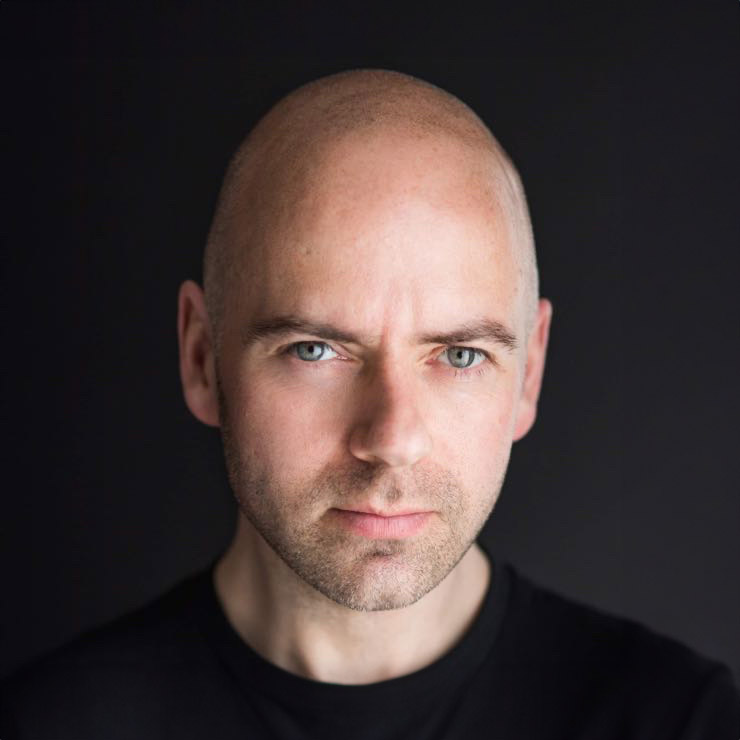
Someone looks you up before they reply to your email, book a call, shortlist you for interview or decide whether to trust your business. In that moment, your business headshots do a surprising amount of work. They suggest whether you are credible, current, approachable and confident – often before a single word is read.
That is why a strong headshot is not a vanity purchase. It is part of how you present yourself professionally. Whether you are a director, consultant, solicitor, recruiter, creative, actor or job seeker, the right image helps people feel they are dealing with someone capable and easy to work with.
Why business headshots matter more than most people think
Most people do not consciously analyse a profile photo. They react to it. An outdated crop from a wedding, a dim phone selfie or a stiff studio portrait from ten years ago can quietly work against you. It can make you look less established, less engaged or simply harder to connect with.
A good headshot does the opposite. It gives people a quick sense of who you are and how you show up. For some professionals, that means polished and authoritative. For others, it means warm and accessible. Often, the best result sits in the middle – professional enough to inspire confidence, relaxed enough to feel human.
This matters across more places than many clients expect. LinkedIn is the obvious one, but company websites, speaker bios, press features, proposals, social media profiles and email signatures all benefit from a consistent, professional image. If you run your own business, your face is often part of the brand. If you work in a larger organisation, your headshot still shapes how colleagues, clients and recruiters perceive you.
What makes business headshots effective
A useful headshot is not just sharp and well lit. Plenty of technically decent photos still fail because they do not communicate the right impression.
The strongest business headshots usually share a few qualities. The expression feels genuine rather than forced. The lighting is flattering but natural-looking. The clothing supports the message instead of distracting from it. The background is clean and appropriate. Most importantly, the person in the photo looks comfortable enough to seem believable.
That last point is where many people struggle. If you feel awkward in front of a camera, it usually shows. Tight shoulders, overthinking, a fixed smile and uncertain posture can all make an image feel stiff. That is why guidance during the session matters so much. A photographer who can coach expression, body angle, eye line and pacing will nearly always get better results than one who simply points the camera and starts shooting.
There is also no single correct style. A barrister, a personal trainer and a singer should not all look the same. The image needs to fit your industry, audience and goals. A corporate leadership team may want a consistent set of portraits with a polished, brand-aligned finish. An entrepreneur may want something modern and friendly. A performer may need a headshot that feels open, direct and castable rather than overtly corporate. Good business photography takes those differences seriously.
The real challenge: most people hate being photographed
This is the part many studios gloss over. The average client is not a model. They are a capable professional who feels slightly uneasy the moment a lens appears.
That does not mean they are unphotogenic. It usually means they have never been properly directed. Being told to “just relax” is rarely helpful. People relax when they understand what to do, what to expect and when they can see progress.
A well-run headshot session should feel calm, clear and collaborative. You should know how to stand, where to look, what to do with your expression and why one adjustment works better than another. Reviewing images during the shoot can make a huge difference as well. It replaces guesswork with reassurance and helps refine the look while you are still in front of the camera.
That process is often what turns a stressful appointment into a confidence-building experience. It is not about pretending to be someone else. It is about bringing out the version of you that already exists when you are at your best with clients, colleagues or an audience.
How to prepare for business headshots
Preparation does not need to be complicated, but a few smart choices make the session easier.
Start with the purpose of the image. Ask yourself where the photo will be used and what impression it needs to create. If the answer is LinkedIn and a company website, you may want something clean, confident and broadly professional. If it is for personal branding or a creative business, you may want slightly more personality and warmth. When you know the goal, choices around clothing, background and expression become much simpler.
Clothing should be comfortable, well-fitting and relevant to your work. Mid-tones and solid colours usually photograph well. Very busy patterns, shiny fabrics and anything that creases easily can become distracting. If in doubt, bring options. A jacket on and off, or a couple of different tops, can create useful variety without changing the overall feel.
Grooming matters, but perfection is not the aim. Fresh hair, tidy details and enough sleep will do more for your photos than overcomplicating things. If you wear make-up, keep it closer to polished daywear than a heavy evening look unless your industry calls for something more styled.
Most of all, arrive with enough time. Rushing in flustered affects your posture and expression. A little breathing space helps you settle.
Choosing the right photographer for business headshots
Not all photographers approach headshots in the same way, and that matters more than price alone.
Look at whether the portfolio feels consistent. Do the people look natural and assured, or do they all have the same stiff pose? Can you imagine yourself in those images without feeling uncomfortable? It is also worth paying attention to whether the photographer explains their process clearly. Clients who dislike being photographed usually need more than technical skill. They need structure, coaching and enough time not to feel hurried.
The buying model matters too. Some people prefer to choose their images after the shoot rather than paying upfront for files they may not use. That can reduce pressure and give you more confidence in the experience.
If you are booking for a company, ask how the photographer handles team consistency. Matching lighting, background, framing and retouching across multiple staff members makes a real difference to how professional the final set looks. If you are booking as an individual, ask how they tailor the session to your role and audience.
At Newcastle Headshots, that coached, no-rush approach is a big part of why nervous clients often end up enjoying the session more than expected.
When it is time to update your headshot
A surprising number of people keep the same photo far too long. If your image no longer looks like you on a good day, it is probably time.
That might be because your appearance has changed, your role has shifted or your old image simply feels dated. Sometimes the issue is not age but relevance. A casual photo may have been fine when your online presence did not matter much. If you are now pitching, interviewing, networking or building a personal brand, the standard needs to rise with the opportunity.
There is no fixed rule, but updating every few years is sensible for many professionals. Sooner makes sense if you are changing industry, launching a business, joining a leadership team or stepping into more visible work.
The best headshot is the one that feels like you
The goal is not to look glamorous, overly serious or unlike yourself. It is to look credible, approachable and fully at ease in your professional identity. That balance is different for everyone, which is exactly why headshots should not be treated as a rushed commodity.
When the process is guided properly, the result is more than a flattering photo. It is an image you are actually happy to use – one that supports your reputation every time someone comes across your profile. And if being photographed has always felt awkward, that is not a reason to put it off. It is a reason to choose a process that gives you the right support from the start.
A good headshot should make people think, quite simply, this person looks like someone I can trust.


