

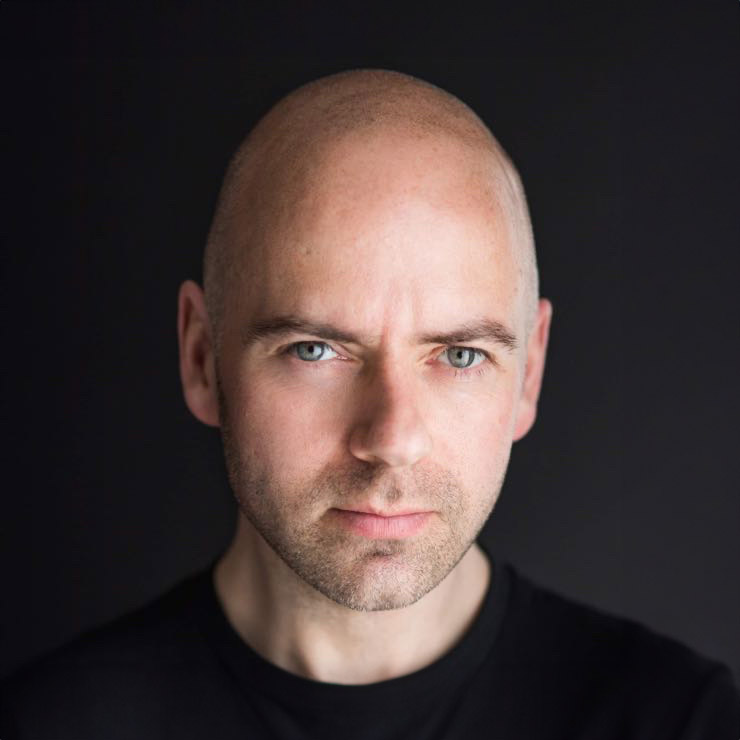
A recruiter may read your CV for a minute, but your photo often lands first and lingers longer. That is why headshots for job seekers are not a vanity extra. They are part of how you present trust, professionalism and approachability before you have said a word.
For some roles, a headshot matters more than others. If you work in a client-facing field, sales, leadership, consulting, media, recruitment or any role where people will search your name online, your image quickly becomes part of your reputation. Even when a CV does not include a photo, your LinkedIn profile almost certainly does, and that profile is often checked early in the hiring process.
Why headshots for job seekers matter
A strong headshot does a simple but valuable job. It helps people feel they know who they are dealing with. In recruitment, that matters because employers are not only assessing experience. They are trying to picture whether you will fit their team, represent the business well and communicate with confidence.
This does not mean you need to look overly polished or corporate if that is not your world. A good headshot should feel accurate. If you are applying for a legal, finance or executive role, the image may need a more formal edge. If you are in the creative industries or a more modern tech environment, a slightly more relaxed style can work better. The point is not to look like someone else. The point is to look like a credible version of yourself.
There is also a practical reason to invest in a proper image. Many job seekers rely on cropped holiday photos, old wedding pictures or casual phone snaps taken against a blank wall. These can be perfectly fine for social use, but they tend to send the wrong signal in a professional setting. Poor lighting, awkward cropping and uncertain expression can make even a highly qualified person look less confident than they are.
What employers notice in a professional headshot
Most employers are not analysing a profile photo in a technical way, but they do react to it quickly. They notice whether you seem approachable, whether the image feels current and whether it matches the standard expected in your field.
Expression is usually the biggest factor. People often assume they need a serious face to look professional, yet a tense or overly stern expression can create distance. In most cases, a warm, calm expression works far better. It suggests confidence without trying too hard.
Clothing matters too, although not in the way many people expect. Expensive clothes do not automatically create a better result. What works is clothing that fits well, suits your role and does not distract. Solid colours nearly always photograph more cleanly than busy patterns. A jacket can add structure, but it is not essential for every profession.
Background and lighting also influence the result. A neutral background keeps the focus on you, while good lighting helps your skin tone look healthy and your eyes look engaged. These details sound small, but together they shape whether the image feels polished and trustworthy.
The difference between a decent photo and an effective one
There is a gap between a photo that is acceptable and one that actively helps your job search. A decent photo shows your face clearly. An effective headshot communicates something useful about you.
That usually comes down to coaching and intent. Many people are uncomfortable in front of the camera, especially if they already feel under pressure from job hunting. Left to their own devices, they tend to stiffen their shoulders, force a smile or hold a fixed expression that looks unnatural. This is where a guided session makes a real difference.
A skilled headshot photographer is not simply pressing a button. They are directing posture, helping you relax your face, adjusting angles and watching for small details that change the impression completely. The best sessions are calm, unrushed and collaborative. You do not need to know your best side or how to pose. You need someone who does.
How to prepare for headshots for job seekers
Preparation should lower stress, not add to it. The aim is to make decisions in advance so you can arrive feeling clear and comfortable.
Start with where the image will be used. If the main goal is LinkedIn, think about the sort of roles you are targeting and the impression you want to create. If you are applying across multiple sectors, it often makes sense to choose a versatile look rather than something too niche. Clean, simple and professional travels well.
When choosing clothes, bring options if possible. A couple of tops or jackets can be useful because some shades work better on camera than others. Mid-tones and rich solid colours usually perform well. Very bright whites can reflect light strongly, while tiny checks and complicated prints can distract.
Hair, grooming and make-up should still look like you. A headshot should feel current and believable when someone meets you in person or on a video call. It is better to aim for polished and natural than overdone. If you wear glasses every day, it generally makes sense to wear them in your photo, though lens glare needs to be managed carefully.
Sleep and hydration help more than people think. Tiredness shows in the eyes and jawline. You do not need to chase perfection, but arriving rested and a little early can make the session feel much easier.
Should you use the same photo everywhere?
Usually, yes – with some flexibility. Consistency helps people recognise you across LinkedIn, company websites, speaker bios and professional directories. If your image changes wildly from one platform to another, it can feel slightly disjointed.
That said, context matters. A formal version may suit your LinkedIn profile and a more relaxed crop may work for a personal website or portfolio. The important thing is that the photos feel like the same person, taken to a similar standard.
Common mistakes job seekers make
The most common mistake is choosing a photo based on personal preference rather than professional usefulness. You might like a picture because you felt good that day, but if the lighting is poor or the expression is too casual, it may not do the job.
Another mistake is using an outdated image. If your look has changed noticeably, the photo can create hesitation. Employers should feel reassured when they meet you, not surprised.
Some people also over-edit. Heavy retouching can make skin look unnatural and features look slightly unreal. Good retouching should be discreet. You should still look like yourself on a very good day.
Then there is the issue of trying to guess your own expression. Most people cannot reliably tell when their smile looks genuine on camera. Live feedback during a session is helpful because it removes the guesswork and lets you adjust in the moment.
Is a professional headshot worth it when you are between jobs?
For many people, yes. Job hunting already asks you to compete on paper, on screen and in person. A strong headshot will not replace experience or interview skill, but it can support both by making your first impression clearer and more confident.
Of course, budget matters. Not every job seeker is in the same position, and a professional shoot may feel like a luxury. But if your online presence is likely to influence hiring decisions, or if you are aiming for roles where credibility and personal presentation count, it can be a smart investment.
What matters most is value. A rushed session with little direction may not produce much better results than a capable DIY setup. A coached session, where you are guided properly and only buy the images you genuinely want, gives you a far better chance of walking away with a photo you will actually use.
At Newcastle Headshots, this is often the turning point for clients who say they hate being photographed. Once the pressure is removed and the process is guided well, they realise they do not need to be naturally photogenic. They simply need the right support.
A good job-seeking headshot does not try to make you look perfect. It helps you look prepared, credible and easy to trust. And when the right opportunity appears, that quiet confidence can be exactly what gets you noticed.


